The programs that are at the heart of a smart contract can be stored as part of the blockchain or other distributed ledger technology, and combined across multiple payment mechanisms and digital exchanges, including cryptocurrencies. Smart contracts are secured through the blockchain technology behind them, but they must also be protected by design, as some features could be abused or bugs in their code. A number of rules and regulations have been defined that are designed to keep contracts secure as well as the security of blockchain technology.
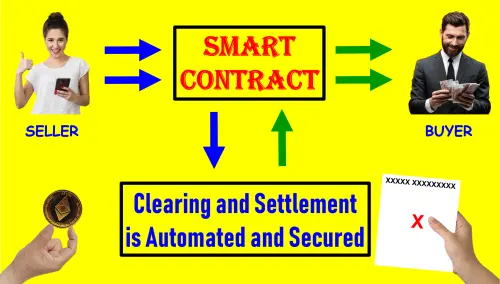
The code and the agreements contained in it exist on the distributed and decentralized blockchain network. The terms and conditions of each contract are built using a code. Once added to the blockchain, the individual computers in the blockchain network, also known as nodes, collect and validate data that proves that the parties have met a condition in an if, they create a cryptographic signature in the code. of the smart contract and then automatically transfer something of value, such as money or cryptocurrency, to the counterparty's account. When transacting, distributing such code through the decentralized blockchain network, such as a ledger, is beneficial because it eliminates the need for intermediaries, centralized authorities, or a legal system. Currently Ethereum is the most popular smart contract platform, but there are also other blockchains that can execute them such as EOS, Neo, Tezos, Tron, Polkadot and Algorand.
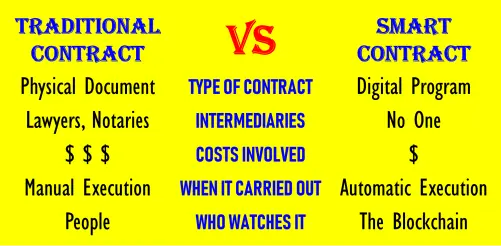
Smart contracts allow trusted transactions and agreements to take place between dispersed and anonymous parties, without the need for a central authority, legal system, or external enforcement mechanism. In fact, the use of smart contracts creates an environment where two parties can start working together without fear of leaks or the need to build trust. Even when using digital contracts, it is impossible to remove a trusted third party from the system.
One solution would be for the parties to use text-based contracts, where the parameters that trigger the implementation of the smart contract are visible not only in the text of the agreement, but actually complete a smart contract. In a hybrid contract that uses text and code, the text must explicitly indicate the code of the smart contract with which it is associated, and the parties must have complete visibility of the variables that are passed to the smart contract, how they are defined, and the events. transaction that will trigger the execution of the code. Parties that rely on smart contract support might have to write a separate list of terms for the functions the smart contract is expected to perform, which could be provided to programmers.
A smart contract is generally used to automate the execution of the agreement, so that all participants have immediate control of the result, without intermediaries and without wasting time. When considering what data to keep with a smart contract, the best practice is to use it to track only information that represents a promise about data stored elsewhere, so that it cannot be changed after the fact, or information that needs to be updated. In fact, today large companies such as Salesforce, Apple or Microsoft have been using smart contracts for a long time.
Follow on Twitter!
@AmpleforthOrg | @ButtonDeFi | @Publish0x
Tools, Platforms & Applications:
CoinMarketCap | TradingView | KuCoin | BingX | StormGain | CoinInn | CoinEX | MoonXBT | BiBox | QuantFury (Referral Code: JRRU2593)
Social Media Link:
Telegram | Facebook | Twitter | Medium | Reddit | Pinterest | Instagram | Torum
Other Articles:
Traders and holders, some things we should know | Cryptocurrencies: brief summary for new investors | Cryptocurrencies: The Dark Side | Is Bitcoin A Ponzi Scheme? | Bitcoin As A Store Of Value | Inflation: Understanding The Terms | Decentralized Finance (Defi), blockchain-based solutions | Why Do Governments Hate Cryptocurrencies? | A Real Solution | Cryptocurrencies Against Economic Inflation | Centralized Exchanges Vs. Decentralized Exchanges | Some Of The Most Common Myths About Bitcoin | Imagining A World Where Fiat Money Does Not Exist | Cryptocurrencies Vs Fiat Money | Why Everyone Should Learn Trading? | A Path To Financial Freedom | Trading: The Hardest Way To Make Easy Money? | The Money Of The Future | Are we running out of space? | Psychological Cycle Of The Investor | Let money work for you | Commenting On Kucoin | Emotions Versus Investment, The Great Psychological Dilemma | Hero Or Villain | Will artificial intelligences be the masters of the known world? | Feed The Soul Before The Body | Money Flow Theory ("True ignorance is not the absence of knowledge but the fact of refusing to acquire it" - Karl Popper) | Artificial Intelligence Friend or Foe? Do the laws of robotics really protect us? | Time: Your Best Asset | The Cryptocurrency Trader Controls How He Trades, The Market Controls How And When The Cryptocurrency Trader Gets Paid | What Does The Cryptocurrency Trader Need To Operate In The Markets? | Haters & Cryptocurrencies | How to achieve financial freedom when you are deeply in debt | Just do Something | Commenting about Tradingview | Estupidy Is Not Disability | Crypto Addiction | Cryptocurrency Market Makers | Web3 Is About Free Choice And Democracy | Cardano (Ada): The Voltaire Era | Trade in cryptocurrencies, emotions, overcoming greed and the excess of confidence | Danger: FUD & FOMO | Do You Follow Your Dreams? | NFTs - Fraud? Ponzi? Bubble? | About Bitcoin Core | About Pancakeswap | Protect Your Cryptocurrencies | About Uniswap | The divinity of the cryptocurrency trader is within himself
REMEMBER THAT YOU ARE ALSO REWARDED FOR READING THE PUBLICATION, CLICK ON THE "☆ TIP" BUTTON AND RECEIVE YOUR REWARD. TIPS ARE FREE!






