Most governments around the world have banned digital currencies due to concerns about their potential to be used in illicit, fraudulent activities. Bitcoin is thus unpopular among governments and with central banks. Many central banks lost their business after digital currencies became common, and this is ultimately to the governments detriment. If Bitcoin becomes the dominant currency, the core central banking role would disappear. [Sources: 3, 4]

Bitcoin seems like a threat to traditional money and governments, as they may lose economic control if the world adopts Bitcoin. As a result of decentralization, governments are losing control over the money system, by adopting a digital currency. Bitcoins decentralization means that if people adopt Bitcoin, then the government loses that control. Since the core Bitcoin technology does not permit any central authority to make any transactions, government cannot regulate the currency and it will lose government authority. [Sources: 1, 3, 4]
This is because bitcoins underlying blockchain technology does not allow a central authority to control Bitcoins or regulate their movements. No government controls cryptocurrency such as Bitcoin, so there is no authority to tax it, monitor its movements, or adjust its allocation. No one really controls Bitcoin, so the governments only shot at stopping Bitcoin is banning citizens from possessing it. As Bitcoin goes mainstream, it threatens to provide large corporations and governments with more insight into our financial lives, as well as more control over how we spend our money. [Sources: 0, 3, 5, 7]

Cryptocurrency The digital currency promises to become the first decentralized payment network, powered by its users with no central authority or middleman. Bitcoin, the original cryptocurrency, was designed to allow transactions using only digital identities, and without an intermediary trusted like a bank. The appeal of cryptocurrency is that it can make transactions between two individuals safe and possible, without an inefficient middleman such as banks and a rule-maker such as governments. While the U.S. government is cautious about the popularity of bitcoin and other cryptocurrencies, various governments have responded to the adoption of digital currencies into their economies in varying ways. [Sources: 2, 4, 5, 7]
This is not to say that the technologies used by crypto currencies cannot be used by central banks as well, in order to supply, regulate, or oversee stable digital currencies to populations and economies that they are protecting. [Sources: 6]
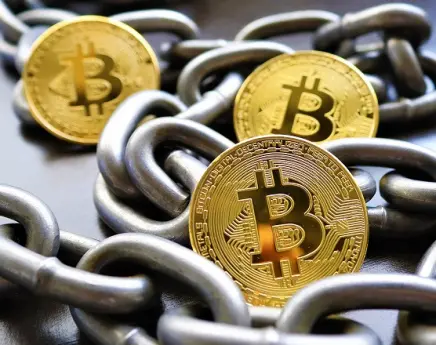
Central banks allow governments around the world to keep a tight hold on the economies and finances of their countries. The authority for central banks to control a fiat currency is in large part drawn from the sovereignty of the nation where they operate, which has a taxpaying public supporting an economy and banking system, as well as the structures that regulate them. Control of currency gives a government power to influence the economy, set monetary policy, facilitate financial transactions, and so on. Now, if as the central bank, you do not control the value of the currency used by the public, then you no longer have the ability to control inflation, nor can you control the security, stability, and integrity of the economic and financial system. [Sources: 1, 3, 6]
OTHER ARTICLES:
-
Traders and holders, some things we should know
-
Cryptocurrencies: brief summary for new investors
-
Cryptocurrencies: The Dark Side
-
Is Bitcoin A Ponzi Scheme?
-
Bitcoin As A Store Of Value
-
Inflation: Understanding The Terms
-
Decentralized Finance (Defi), blockchain-based solutions
SOCIAL MEDIA LINK:
SOURCES:
-
[0]: https://bitcoinist.com/five-reasons-why-governments-wont-ban-bitcoin-and-cant-stop-crypto/
-
[1]: https://calbizjournal.com/five-reasons-why-the-government-does-not-like-bitcoin/
-
[2]: https://www.livemint.com/opinion/columns/governments-will-eventually-defeat-cryptocurrencies-11613317872625.html
-
[3]: https://www.sharecast.com/promoted/cryptocurrencies/why-governments-around-the-world-hate-bitcoin.html
-
[4]: https://www.hometownstation.com/news-articles/bitcoin-why-do-governments-hate-it-386842
-
[5]: https://vocal.media/theChain/why-do-governments-hate-bitcoin
-
[6]: https://www.ibm.com/blogs/internet-of-things/why-central-banks-dislike-cryptocurrencies/
-
[7]: https://www.washingtonpost.com/outlook/2022/04/01/cryptocurrency-privacy-mainstream/






