Although some people think that cryptocurrency could eventually replace fiat money, the majority of transactions around the world are still done using fiat. The supply of even todays most stable fiat currencies increases 5% to 20% annually, creating chaos in the pricing system everywhere that newly issued currency hits the economy. Fiat money is interesting in that, unlike the history of commodity-based currencies, itas one step below scarcity. Hyperinflation has happened in the past, also with commodity money, and could happen if fiat currency rapidly loses value, for example, as people lose confidence in a countryas currency. [Sources: 3, 5, 6]
We do have mechanisms, however imperfect, to manage the dynamics of money that is backed by gold, money that is backed by a nations currency, and mechanisms that are backed by a nations fiat money. Fiat money is fiat currency, that is, currency that is declared legitimate by its issuing authority, with the issuers (governments) backing of its value. Its value comes from being declared to be legal tender--an accepted form of payment--by the government of the issuing nation. By issuing fiat currency, it profits through seigniorage, the difference between the nominal value of money and the costs to produce and circulate it. [Sources: 3, 4, 5, 7]

This confidence is partly based on laws making fiat money legal tender for paying taxes, and, in the U.S., for paying personal debts as well.3 Fiat money is made up of both paper money and metallic coins, both the face value of which is greater than the metal content of the coins. With a third kind of money, fiat currency, we have taken the last step away from grounding money in physically valuable assets, since a third kind of money is no longer redeemable in gold. Later, fiat money--currency and coins issued by governments, but not backed by any commodity--becomes the dominant form of money, alongside deposits issued by banks. Over time, paper money, issued by private entities and backed by a commodity like gold, became the standard of money in circulation. [Sources: 0, 1, 2]
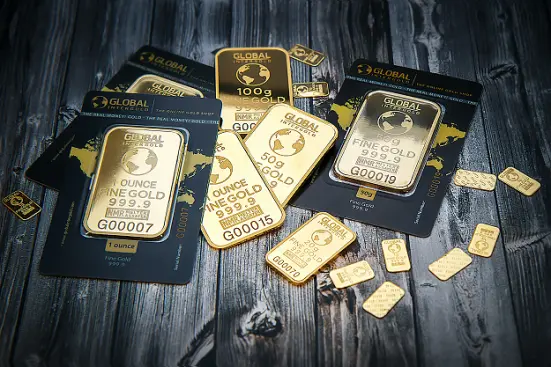
After a transition from commodity-backed to paper currency, the gold backing was temporarily suspended for some years in an emergency measure, and later reinstated (usually with significant devaluation, down to less gold per unit currency, as many currencies were issued in an emergency). The shock by U.S. President Nixon detached the U.S. dollar (and, along with U.S. dollars, all other currencies) from the gold standard, and marked the shift away from commodity money. [Sources: 0, 5]
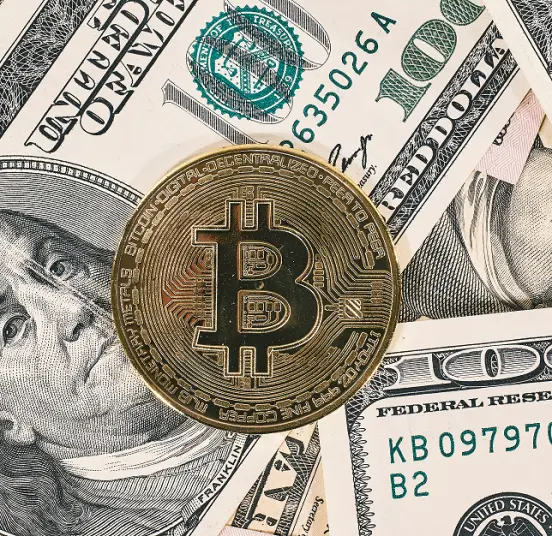
These cryptocurrencies, or cryptocurrencies, renewed the interest in private currencies by central banks, and raised questions about whether these new assets were really money, and if they might impact on monetary policy and financial stability. Many individuals in various industries, from government to payments to finance, are wondering if private digital currencies might in some way push aside fiat currency--government-issued currency that, along with reserves held at central banks accounts, is at the core of the worlds financial system. [Sources: 1]
TOOLS, PLATFORMS AND APPLICATIONS:
CoinMarketCap | TradingView | KUCOIN | BINGX | STORMGAIN | COININN | COINEX | MOONXBT | BIBOX | QUANTFURY (Referral Code: JRRU2593)
SOCIAL MEDIA LINK:
Telegram | Facebook | Twitter | Medium | Reddit | Pinterest | Instagram | Torum
OTHER ARTICLES:
Traders and holders, some things we should know | Cryptocurrencies: brief summary for new investors | Cryptocurrencies: The Dark Side | Is Bitcoin A Ponzi Scheme? | Bitcoin As A Store Of Value | Inflation: Understanding The Terms | Decentralized Finance (Defi), blockchain-based solutions | Why Do Governments Hate Cryptocurrencies? | A Real Solution | Cryptocurrencies Against Economic Inflation | Centralized Exchanges Vs. Decentralized Exchanges | Some Of The Most Common Myths About Bitcoin






