
Twenty-five years in, I've never once seen a lightning bolt. Here's what I've seen instead.
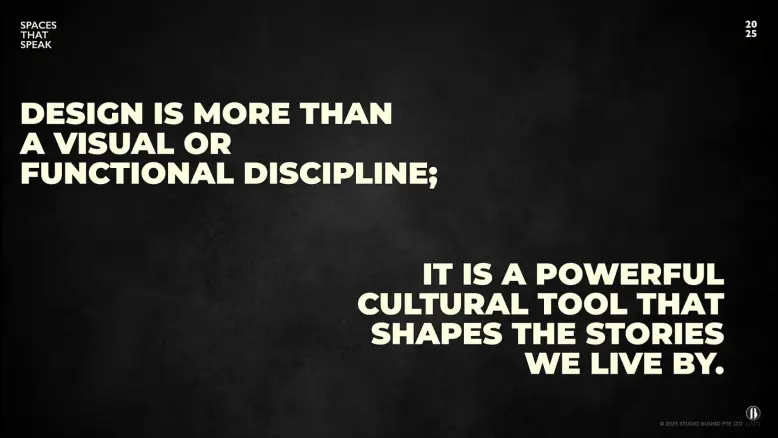
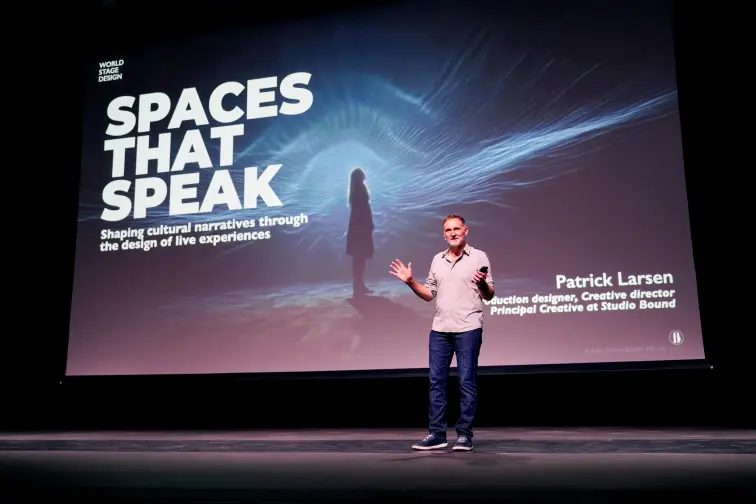
In October 2025 I gave a keynote at World Stage Design in Sharjah — the quadrennial performance-design event, this time in the UAE.
I started with work I had nothing to do with. A beautiful example is the Burning Man temple: built by volunteers in the desert, to stand for a week, and then to be burned. Another is the way the Paris team used a whole city in 2024. Separate continents, separate traditions, no coordination between any of them — and the same instinct in each. Build something far larger than necessary, put people inside it, give them one feeling to share.
That impulse isn't regional and it isn't modern. We all have a thirst for wonder; it's a deeply human quality.
Then I said the thing I actually came to say, which is that none of it is magic.
Faced with work of that quality, the reflex is to assume genius — some gift handed to a few people at birth. I've spent twenty-five years in rooms where this sort of thing gets built and I've never seen a lightning bolt. I've seen method: gather too much, sit in it, get nowhere for a while, throw most of it out, find the one true idea beneath the ten obvious ones. It only looks like magic because nobody publishes the eighteen months of being stuck.
Which is good news, not bad. A gift can't be pursued. A method can be learned — and run on the days you feel like nothing, which is most days.
Here's the method, as plainly as I can put it. Three rules, and one thing underneath them.
1. Think big and draw small
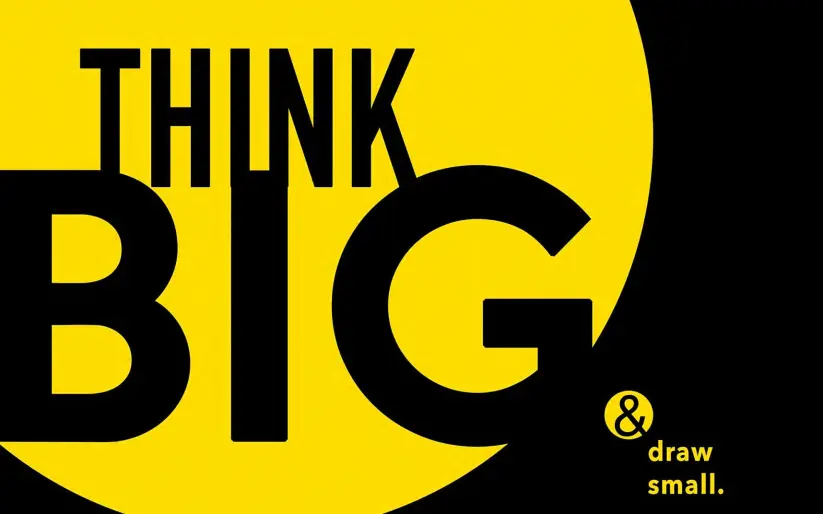
Hold an idea that's far too ambitious. Then make the next decision as small and specific as you possibly can.
The gap between those two things is where projects tend to get into trouble — either the ambition never gets converted into specifics, or the specifics get decided before anyone has agreed what the thing is about. You need both, in that order, repeatedly.
2. Take risks — calculated ones
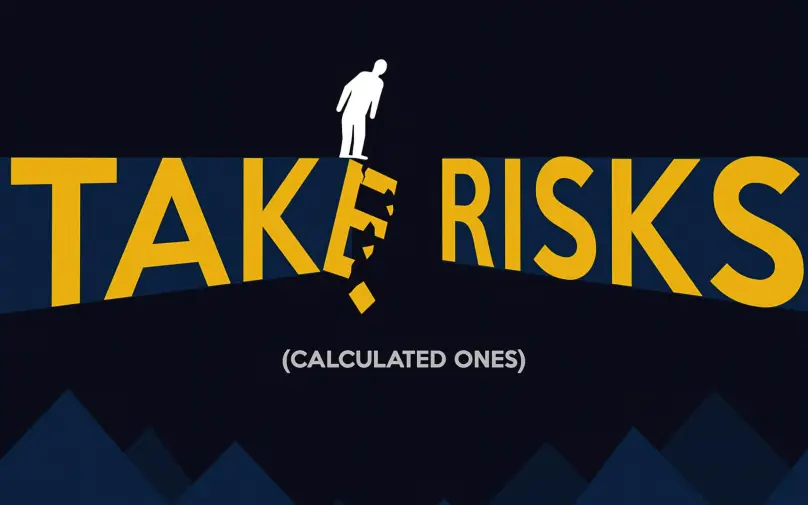
Live work is unforgiving in a way that other design isn't. There's an opening night. It doesn't move. You can't ship a patch on Tuesday.
That doesn't mean don't take risks; it means know exactly which one you're taking and what happens if it fails. I'd rather run one genuine risk I've costed than five I haven't noticed I'm running.
3. Focus on process, not product
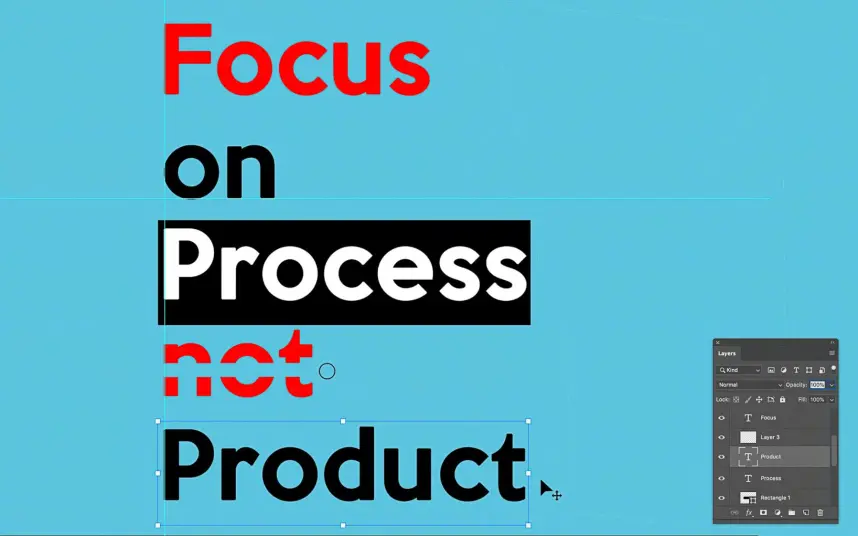
You cannot directly control the product. Too many hands, too many variables, weather, budget, a cast that changes. What you can control is the process that produces it.
Teams that obsess over the final image tend to panic. Teams with a reliable process tend to arrive.
The thing underneath all three
Design is never the voice of one — it is a chorus. Every project I'm proud of had a hundred people's fingerprints on it. The harder part was never having the idea; it was getting a large group of people to hold the same one.
Which brings it back to where I started. The reason those openers aren't miracles is that none of them was one person having a vision. Each was a large group running a process well, for a long time, mostly in private.
That's the encouraging bit, and it's why I keep saying it to anyone starting out: you are not waiting to be chosen. You're waiting to start.
Or, put the way I put it on the day: we're in the transportation business. We move minds.
More: patricklarsen.studio · Substack · Medium · Studio Bound
About Patrick Larsen
Emmy Award–winning production designer, founder of Studio Bound, Singapore. Immersive experiences, themed attractions, ceremonies and broadcast design. Keynote speaker, World Stage Design Sharjah 2025.





