
Technology is most effective when it stays out of the way of the user experience. For a long time, decentralized finance and blockchain applications have struggled with a steep learning curve that keeps many people on the sidelines. The Rogue Network (RGN) is built on the belief that users shouldn’t have to choose between deep technical infrastructure and engaging digital products. By weaving together an independent blockchain with a browser-based pirate MMORPG, this project seeks to create a "shared economy" where miners, gamers, and investors all find a place to thrive.
Introduction: Why the Rogue Network Matters in a Crowded Blockchain Landscape
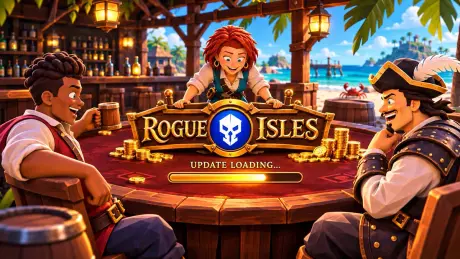
The current state of digital assets often feels fragmented. You have mining projects that serve only as security layers, gaming projects that lack a robust economic engine, and decentralized applications that feel like ghost towns. The Rogue Network was conceptualized to fix this fragmentation. It isn’t just another coin; it is an interconnected ecosystem where the underlying blockchain powers an expansive virtual world called Rogue Isles. By utilizing an EVM-compatible framework paired with a Proof-of-Work (PoW) security model, the network provides a home for developers who want the flexibility of Ethereum-style smart contracts without losing the battle-tested security of traditional mining.
Instead of treating the blockchain as a complex hurdle, the Rogue Network positions it as a silent partner. Whether you are navigating a ship through a digital ocean or staking assets in a secure vault, the infrastructure works in the background to ensure ownership and transparency. This holistic approach ensures that the project remains practical for everyday users while remaining technically sound for the hardcore crypto community.
The Technical Backbone of the Rogue Network Infrastructure
To understand why this project is different, we have to look under the hood at the Rogue Network architecture. It is built as an independent, EVM-compatible blockchain. This is a critical design choice because it allows the ecosystem to support decentralized applications (dApps) and smart contracts that are familiar to anyone who has used Ethereum or Polygon. However, unlike many modern chains that have moved entirely to Proof-of-Stake, this network maintains a Proof-of-Work foundation to ensure a decentralized and secure validation process.
The technical specifications are tailored for efficiency. With a Chain ID of 70088 and a target block interval of roughly 12 to 12.5 seconds, the network is optimized for a balance between speed and security. This block time is essential for the Rogue Isles game, as it allows for relatively fast on-chain updates without compromising the integrity of the ledger. By using the native RGN asset to handle transaction fees and reward participants, the network creates a closed-loop economy where every action—from mining a block to completing an in-game quest—contributes to the health of the entire system.
Exploring FORGE: How Mining Powers the Rogue Network Economy
Mining is often seen as an energy-intensive process that only benefits the miners themselves. The Rogue Network reimagines this through a system called FORGE. This is a sophisticated mining architecture that bridges external computing power with the RGN economy. FORGE allows miners to use Scrypt-based mining jobs, specifically drawing from established networks like DigiByte (DGB) and Dogecoin (DOGE), to fuel the treasury of the RGN ecosystem.
The FORGE V5 upgrade is particularly noteworthy. It introduced a multi-signature approval process for mining work, ensuring that only valid, eligible work is rewarded. The brilliance of this system lies in its "Buy and Burn" mechanism. External mining rewards are captured and routed through a treasury. These funds are then used to buy RGN tokens back from the open market and permanently remove them from circulation (burning). This creates a deflationary pressure on the token supply that is independent of the standard block rewards. It turns traditional mining into a tool for economic stability, directly linking the security of the network to the value of the RGN token.
Staking and Security in the Rogue Network Vault
While miners secure the network through raw computational power, stakers provide a different kind of stability. The Rogue Network ecosystem features a dedicated application known as the Rogue Vault. This is the primary interface for users who want to commit their RGN tokens to the network in exchange for rewards. According to the project’s economic model, 30% of the normal block subsidy is allocated to staking rewards, making it a significant pillar of the project’s growth strategy.
The Rogue Vault is designed with accessibility in mind. Users don't need to be experts in command-line interfaces to participate; they can simply connect a compatible wallet and manage their positions through a clean, visual dashboard. For the more technically inclined, however, the project still offers a CLI (Command Line Interface) for staking. This dual-path approach—GUI for the masses and CLI for the power users—ensures that the Rogue Network remains inclusive regardless of a user's technical background. Staking here isn't just about passive income; it's about aligning the incentives of the token holders with the long-term health of the blockchain.
Managing Digital Assets with the Rogue Network Wallet Suite
An ecosystem is only as good as the tools provided to navigate it. The Rogue Network has developed a comprehensive suite of wallets to ensure that users can access their assets whenever and wherever they need them. This isn't just a single mobile app; it’s a cross-platform infrastructure.
Rogue Wallet for Android: This mobile application allows users to manage their RGN on the go. It supports native account management, staking through the vault, and even includes routes for swapping and bridging assets.
Rogue Wallet for Desktop: Available for Windows, Linux, and macOS, the desktop version provides a more robust environment for users who prefer managing their finances on a larger screen with more detailed oversight.
Rogue CLI: For developers and node operators, the Command Line Interface (version 4.0.0 and above) provides the most direct way to interact with the blockchain, allowing for precise control over staking and wallet functions.
By providing these varied interfaces, the Rogue Network ensures that it can cater to a mobile-first generation while still offering the depth required by the professional blockchain community.
Transparency and Utility: Rogue Scan and the Rogue Network DEX
Transparency is the bedrock of trust in any blockchain project. To facilitate this, the Rogue Network provides Rogue Scan, a comprehensive blockchain explorer. This tool allows anyone to look up transaction IDs, check the status of specific blocks, and verify account balances. It’s an essential utility that gives the community the power to audit the network’s activity in real-time, ensuring that everything from the "buy and burn" operations to the staking payouts is visible to the public.
Complementing the explorer is the Deepwater Swap. This is the ecosystem’s native trading interface, providing a decentralized exchange (DEX) experience for RGN and its associated assets. Deepwater Swap isn't just about trading; it also serves as a portal for bridge functionality. As the project evolves, this interface will become the central hub for moving assets between the native RGN chain and other popular networks like Solana. This connectivity is vital for the Rogue Network, as it prevents the ecosystem from becoming an isolated island in the vast sea of crypto.
Understanding the Economic Structure of the Rogue Network (Tokenomics)
The RGN token is the lifeblood of the entire operation. It is the native currency used for everything from paying gas fees on the blockchain to purchasing items within the Rogue Isles game. The Rogue Network has established a very clear and finite economic foundation, with a lifetime gross issuance ceiling of 10.7 billion RGN tokens.
The distribution of the normal block rewards is carefully balanced to reward all types of participants:
Miners (40%): Ensuring that those who provide the security foundation are well-compensated.
Stakers (30%): Rewarding long-term holders who lock their tokens in the Rogue Vault.
Play-to-Earn (20%): Providing an incentive for gamers to participate in the Rogue Isles ecosystem.
Treasury (10%): Funding the ongoing development and marketing of the network.
Interestingly, the issuance follows a declining reward schedule. It begins with a subsidy of 1,100 RGN per block and gradually decreases until it reaches a "tail emission" of 100 RGN. This ensures that the token remains scarce over time while still providing enough incentive for miners to continue securing the chain for decades to come.
Navigating the Multi-Chain Presence of the Rogue Network
A common point of confusion for new users is that RGN exists in more than one form. To maintain liquidity and accessibility, the Rogue Network native asset is represented on other chains as well.
Native RGN: This is the actual coin on the Rogue Network (Chain ID 70088). This is what you use for gaming, staking in the vault, and paying network fees.
wRGN: This is a wrapped version of the token used specifically for certain exchange contracts.
RGN (SPL): This is the version of the token that exists on the Solana blockchain. It is currently the primary way users trade RGN on external markets like Raydium.
The "Captain’s Atlas" (the project's documentation) explicitly warns users to be careful when moving between these versions. Currently, a native-to-Solana bridge is in the works, which will make the transition between these two worlds much more seamless. Understanding this distinction is vital for anyone looking to participate in the Rogue Network economy without losing funds to network mismatches.
Rogue Isles: The Flagship Gaming Experience of the Rogue Network
While the technical side of the project is impressive, the heart of the user experience lies in Rogue Isles. This is a pirate-themed MMORPG that runs directly in your web browser. You don't need a high-end gaming PC to play; you just need an internet connection. The game allows players to step into a digital world where they can explore islands, build crews, and engage in naval combat.
What makes Rogue Isles a true "Web3" game is how it integrates with the Rogue Network. It features a robust skill system where players can level up in areas like:
Navigation and Sailing: To better traverse the open seas.
Combat (Swordsmanship and Cannonry): For defending your ship or attacking rivals.
Gathering (Fishing, Mining, Woodcutting): For collecting resources needed for crafting.
Crafting and Cooking: To create items that aid in your journey.
While the game is fun in its own right, it serves a larger purpose. It provides a "Play-to-Earn" outlet where 20% of the blockchain's block subsidy is funneled. Instead of just "clicking a button" to earn tokens, players participate in an active economy. It is important to note that regular game progression (like gold and XP) is separate from RGN token distribution. This ensures that the game remains balanced as a gaming product first, with the blockchain rewards acting as a seasonal or milestone-based bonus.
The Captain’s Atlas: Your Guide to the Rogue Network Ecosystem
Documentation is often an afterthought in the crypto world, but the Rogue Network treats it as a core product. The Captain’s Atlas is a comprehensive repository of knowledge that covers everything from the basics of how to play Rogue Isles to the technical nuances of running a validator node.
The Atlas is constantly updated to reflect the latest changes in the network, such as the FORGE V5 upgrade or the latest wallet versions. It serves as a mentorship tool for new users, guiding them through the process of setting up their first wallet, joining a mining pool, or understanding the "treasure seasons" in the game. Having such a centralized, well-organized resource significantly lowers the barrier to entry, making the Rogue Network one of the more approachable projects in the decentralized space.
Step-by-Step: How to Acquire Tokens Within the Rogue Network
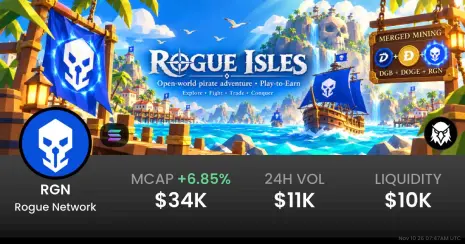
If you are ready to join the ecosystem, the most common entry point is through the Solana-based version of the token. Here is a simple guide on how to get started with the Rogue Network via the Raydium exchange.
Set Up a Solana Wallet: Use a trusted wallet like Phantom or Solflare. Ensure you have some SOL (Solana) in the wallet to cover transaction fees.
Visit the Official Site: Go to the official Rogue Isles website to find the direct link to the Raydium pool. This is the safest way to ensure you are trading the correct asset.
Verify the Contract Address: This is the most important step. Always verify that the token you are buying matches the official contract address:
Cn7pt6uUQt6qdYSASpWgvQHm4D9aStaujRu7AYMABray.Perform the Swap: On Raydium, input the amount of SOL you wish to spend and swap it for RGN. Be mindful of slippage and price impact.
Confirm Holdings: Once the transaction is confirmed, you should see your RGN (SPL) tokens in your Solana wallet. In the future, you will be able to bridge these directly to the Rogue Network native chain to use them in the game or the Rogue Vault.
Final Thoughts: The Long-Term Vision for the Rogue Network
The Rogue Network is more than just a collection of smart contracts or a simple online game. It represents a shift toward "Integrated Web3," where the boundaries between infrastructure, finance, and entertainment are blurred. By choosing an EVM-compatible PoW model, the project honors the security of the past while embracing the flexibility of the future. The FORGE V5 system introduces a novel way to tie external mining energy into a native economy, and the Rogue Isles game provides a tangible reason for people to actually use the network.
Success for a project like this depends on the synergy between its parts. If the game remains engaging, it will drive demand for the token. If the mining and staking rewards remain competitive, it will ensure a secure and stable network. If the developers continue to produce high-quality tools like the Rogue Vault and Rogue Scan, the community will continue to grow.
Resources:
https://rogueisles.com/
https://x.com/rogueisles
https://t.me/rogueisles
Writer
username: Mikoleur
wallet: 0x95723DE422Fe8567b9cB9acc29bB7073F61E2dB7






