
The Dangerous Side of News Trading
Every trader loves a good headline. A major news release hits the wires, social media explodes, financial commentators rush to explain what is happening, and suddenly everyone believes they know why the market is moving.
The reality is far more complicated.
News trading is a double-edged sword. Sometimes news genuinely drives markets because it changes expectations about the future. Other times, the news simply becomes a convenient excuse to justify a price move that was already going to happen.
That is why traders should always approach headlines with caution. The market often reacts in ways that have little to do with the actual story being reported.
The NVIDIA Story That Shook the Markets
A few days ago, reports began circulating that NVIDIA's chief executive officer had allegedly become involved in a scandal involving a spy and had resigned from the company.
Almost immediately, markets started falling.
Bitcoin sold off aggressively.
Gold came under pressure.
The NASDAQ and technology stocks began bleeding lower.
Financial media quickly connected the market decline to the developing story. According to many commentators, investors were panicking and selling due to uncertainty surrounding one of the most influential figures in the technology industry.
For many traders, the explanation seemed logical.
But then things became interesting.
The Market Kept Falling Anyway
Not long after the initial reports, stories emerged suggesting that NVIDIA's board had dismissed the possibility of bringing the chief executive officer back.
If the original news was truly the driving force behind the market collapse, one would expect another dramatic market reaction.
That never happened.
The market continued selling.
Bitcoin remained weak.
Gold failed to recover.
The NASDAQ remained under pressure.
The bloodbath simply continued.
At that point, traders should have started asking an important question.
If the market was crashing because of the CEO situation, why was it still crashing after the market had already absorbed the news?
The Reinstatement Rally
Then another twist arrived.
The chief executive officer was reportedly reinstated.
This time, markets responded positively.
Bitcoin rallied.
Stocks moved higher.
Risk assets bounced sharply.
As expected, financial commentators once again attributed the move to the latest headline.
The narrative suddenly changed from panic and uncertainty to optimism and confidence.
But there was one problem.
The rally did not last.
Within a day, sellers returned and prices started dropping again.
My Personal Theory
I could be wrong, but this is how I see it.
I do not believe the news was the primary reason behind the market movements.
I believe the market was already overbought.
There simply was not enough fresh capital entering the market to keep prices moving higher. At the same time, large institutions may have been reaching a point where they wanted to secure profits after an extended rally.
The challenge for large market participants is that they cannot unload massive positions all at once.
They need liquidity.
They need buyers.
And one of the fastest ways to create liquidity is through fear.
How Fear Creates Liquidity
Imagine a large institution holding a significant position.
If that institution sells too aggressively, the market collapses before it can exit efficiently.
Instead, negative sentiment spreads.
A wave of fear enters the market.
Retail traders panic.
Stop losses get triggered.
Positions are liquidated.
Suddenly there is plenty of volume available.
The fearful sell.
The smart money buys.
When prices eventually recover, many of those same traders begin experiencing fear of missing out.
They watch the market climb without them.
Regret starts to replace fear.
Then they buy back in.
Usually at higher prices.
The Trap Most Retail Traders Fall Into
This is where things become dangerous.
Many traders who sold during the panic become desperate to recover their losses.
Some increase their position sizes.
Others average into losing trades.
Some even adopt martingale-style strategies, continuously adding more money in an attempt to recover previous losses.
As more retail money enters the market, buying pressure increases.
Liquidity returns.
Confidence returns.
And that creates the perfect environment for larger players to begin reducing exposure.
In other words, retail traders become the exit liquidity.
They sell at the bottom and buy back near the top.
What the Charts Are Showing
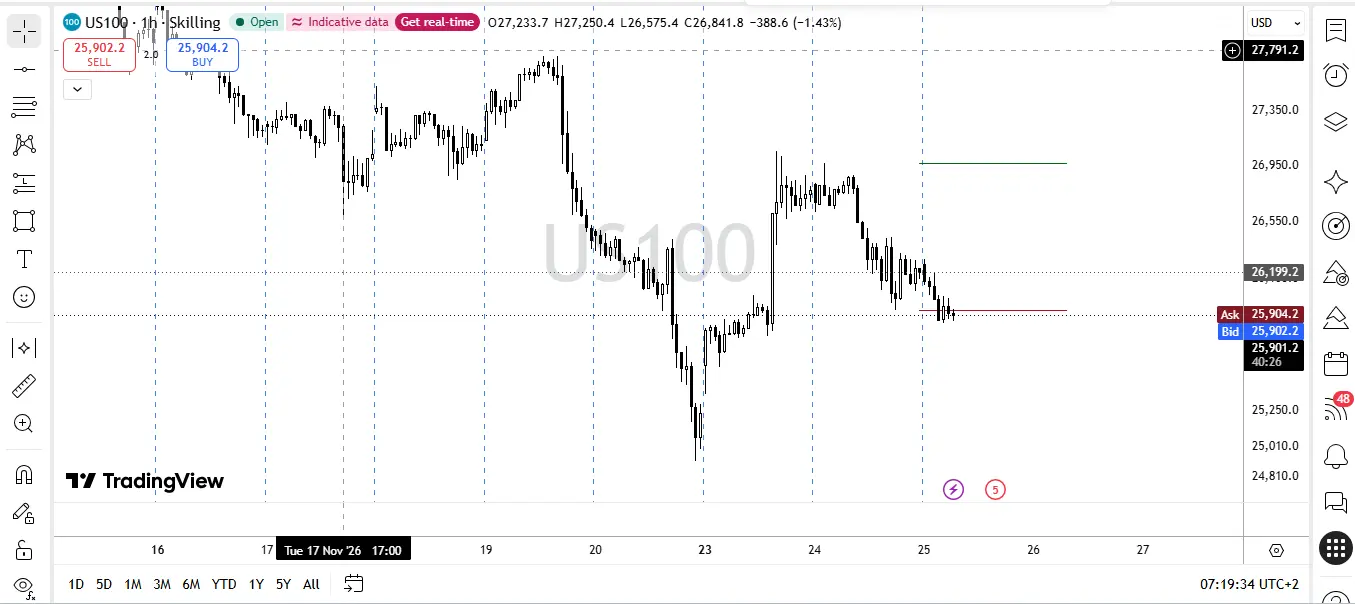
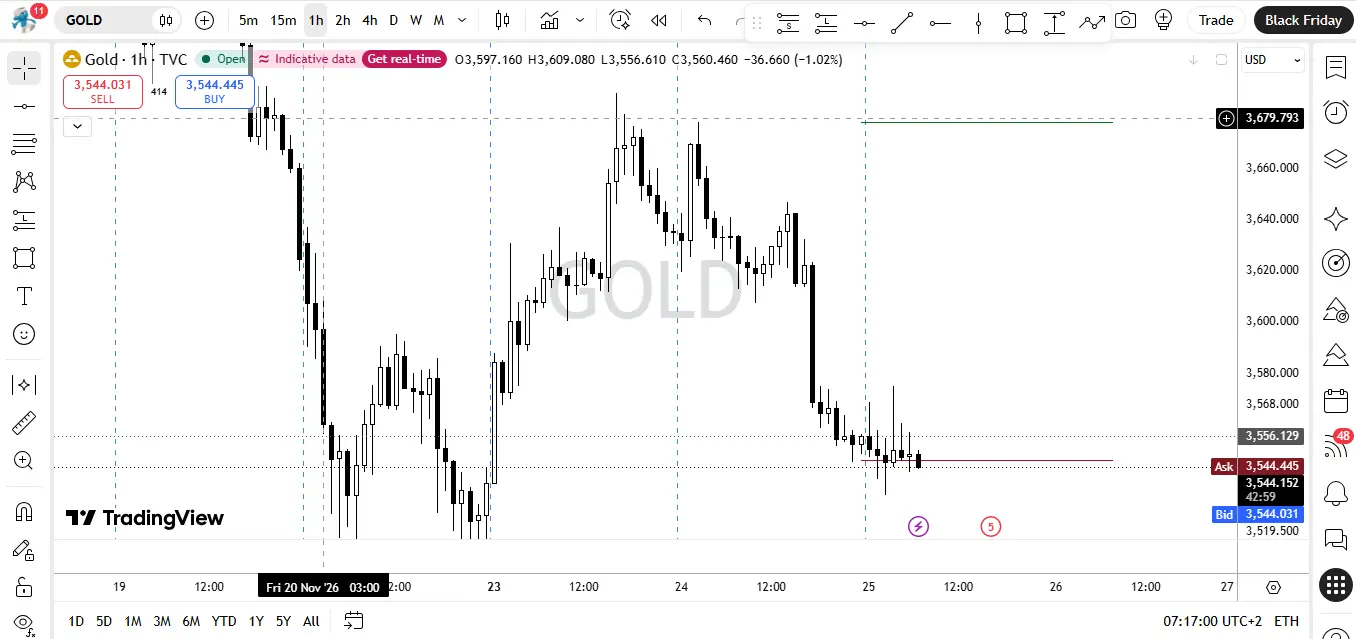
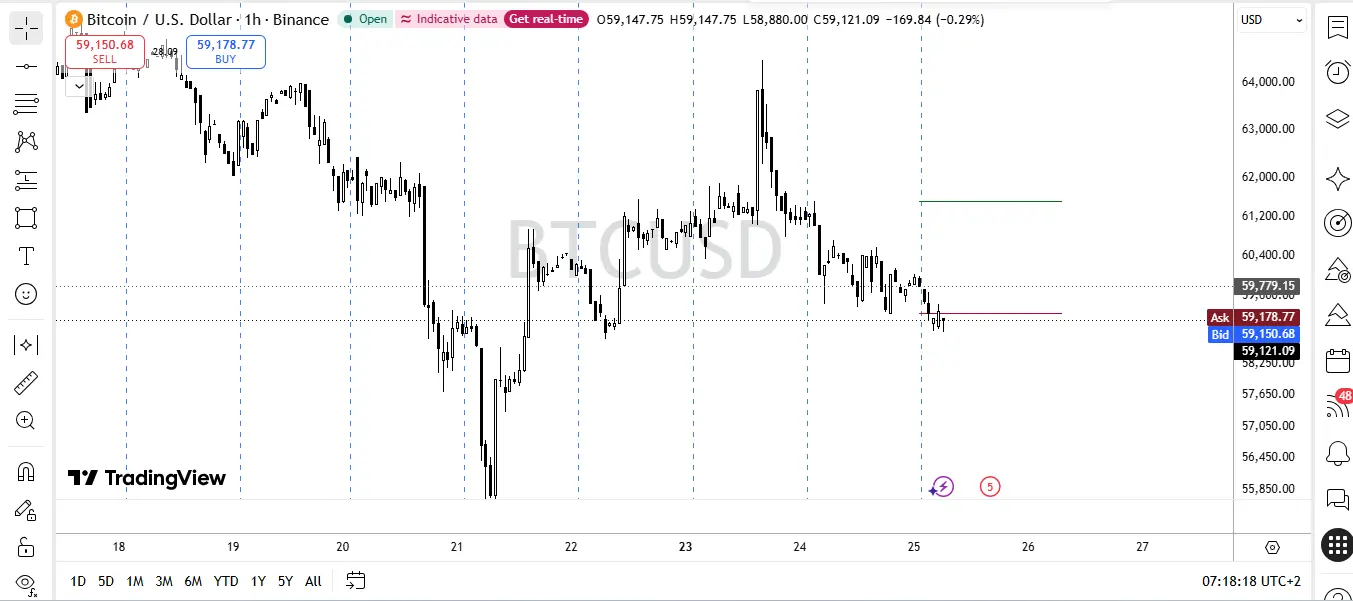
Looking at Bitcoin, Gold, and the US100, the pattern appears remarkably similar.
All three experienced a sharp decline.
All three attempted to recover.
All three failed to sustain momentum.
And all three remain under pressure.
The similarities are hard to ignore.
When multiple asset classes begin moving together like this, it often suggests that broader market forces are at work beyond a single headline or news event.
Whether it is profit-taking, lack of liquidity, institutional repositioning, or simple risk aversion, something bigger may be influencing the market.
The Lesson Every Trader Should Remember
One of the biggest mistakes traders make is assuming that every market move has a simple explanation.
Financial news organizations are under pressure to explain every candle, every rally, and every crash.
But markets do not always work that way.
Sometimes the news creates the move.
Sometimes the move creates the news.
And sometimes the news merely provides a convenient story that helps explain what was already happening.
That is why experienced traders pay attention to price action first and narratives second.
Final Thoughts
The next time a major headline hits the market, resist the urge to immediately jump on the bandwagon.
Ask yourself a simple question:
If this news had never been released, would the market still be moving in the same direction?
You may never know the answer with certainty.
But asking that question will force you to think like a trader instead of a spectator.
Because at the end of the day, the market does not care about headlines.
The market cares about liquidity.
And if you are not careful, the very news you are trading could be the tool being used to trade you.






