
Recently finished the book called "Thank God for Bitcoin: The Creation, Corruption and Redemption of Money" written by Bitcoin evangelist, developer, educator & author, Jimmy Song, that was published back in 2019 and wanted to share my thoughts on it.
The book explores the history, significance, and potential of Bitcoin as a decentralized digital currency and its potential to challenge the existing financial systems. It delves into the problems with traditional fiat money, the role of governments and central banks, and the potential benefits of Bitcoin as an alternative form of money. The book also covers the underlying technology behind Bitcoin, known as blockchain, and its implications for the future of finance.
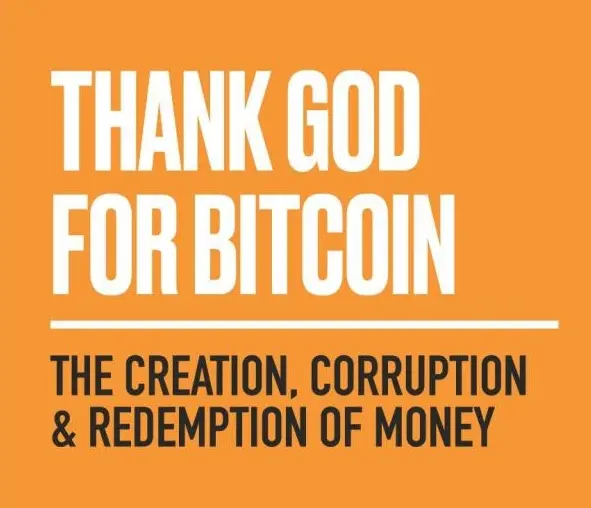
"Thank God for Bitcoin: The Creation, Corruption and Redemption of Money" is an exceptionally well-written book that offers profound insights in a succinct manner. Its compelling content has the potential to make readers want to highlight nearly every page. The book takes readers on a journey, presenting the thesis that Bitcoin has the ability to repair our dysfunctional relationship with money on both physical and spiritual levels.
Exploring the Christian Faith and Bitcoin
Initially skeptical about the "thank god" spiritual aspect, the authors (it's actually eight of them) skillfully unfold the connection between Bitcoin and spirituality, allowing readers to grasp its significance. By presenting facts and information, the book highlights the immorality of our current monetary system and exposes how we have become entangled in its worship. It effectively builds a strong case for Bitcoin's moral system, demonstrating convincingly that it serves as the redemption of our corrupt monetary system.
The book also addresses concerns for those who are religious or hold reservations about exploring Bitcoin due to perceived associations with greed and the love of money. It emphasizes that it is never too late to investigate Bitcoin and dismisses the notion that it is inherently ungodly. Encouraging readers to approach the topic with an open mind and heart, it assures them that engaging with Bitcoin can be a blessing.
Through its thought-provoking analysis and engaging narrative, "Thank God for Bitcoin" challenges preconceived notions, providing readers with a fresh perspective on the interplay between money, spirituality, and morality. It encourages a reevaluation of our existing monetary system and invites individuals from various backgrounds to embrace the potential of Bitcoin as a transformative force. By the time readers reach the end of this remarkable book, they will have gained valuable insights that may reshape their understanding of money and its impact on our lives.
The book provides a comprehensive and insightful exploration of key themes surrounding Bitcoin and our current fiat money system. It effectively delves into critical issues, such as the ethical implications of inflation, shedding light on the hidden consequences. By contrasting Bitcoin with fiat currencies, the book successfully highlights the advantages and benefits of the decentralized digital currency.
One notable aspect of the book is its thought-provoking analysis, which offers valuable perspectives. I found particular value in its examination of the impact of fiat currency on the church and Christian living as a whole. These insights encouraged deep reflection and prompted me to consider the broader implications of our monetary choices.
Understanding the Impact of Bitcoin on Christian Ethics
While "Chapter 2: History of Money" might not have offered the same immersive journey into the past as experienced in "The Bitcoin Standard," it remains a personal favorite among the chapters of this book. It provides a valuable exploration of the historical aspects of money, shedding light on its evolution and significance throughout human civilization.
The authors of this book have made significant contributions to the exploration of the intersection between the Christian faith and Bitcoin. They have laid important groundwork by raising awareness and initiating discussions on the topic. However, it is worth noting that readers seeking specific next steps or a deep theological analysis solely focused on Bitcoin may not find all their expectations met.
While the book provides valuable insights and perspectives on the implications of Bitcoin from a Christian standpoint, it may not offer a comprehensive guide or a detailed theological treatise. It is important to approach the book with realistic expectations and an understanding that it serves as a starting point rather than a definitive roadmap.The whole book is more like looking at the ethical side of money, IMHO.
If you're seeking concrete next steps or a more extensive theological analysis, it may be beneficial to supplement this book with additional resources that focus specifically on practical applications or in-depth theological considerations of Bitcoin within a Christian context. Engaging in discussions with fellow believers, attending relevant conferences or seminars, and seeking out specialized literature may further enhance one's understanding and guide specific actions in relation to Bitcoin and the Christian faith. I would still heavily recommend the book to any Christian, even slightly interested in Bitcoin.
I kindly invite you to share your thoughts in the comments section regarding what you enjoyed or found lacking in this piece. As a novice writer, I highly value any constructive criticism that can help me improve my skills and deliver better content in the future. Your feedback is greatly appreciated.
Thank you all.






