
With this article, I want to take a microscopic break from analyzing geopolitics and Fed charts and, as it sometimes happens in life, give in to the hype and dive into the world of AI.
The hype comes from OpenAI recently introducing Images 2.6, an updated image generator that is already available in ChatGPT, Codex, and through the API. Most media outlets presented it as a fun and entertaining piece of news, since AI has finally learned how to create and edit GIF animations using text prompts or even sketches. If you have no idea what I am talking about, you may have seen dancing dogs or cats in the comments sections of platforms like TikTok and Instagram, or more broadly, AI-generated animals displaying human-like behavior. And as funny as it may look, behind such a seemingly minor update there may be signals that could directly impact the digital market.
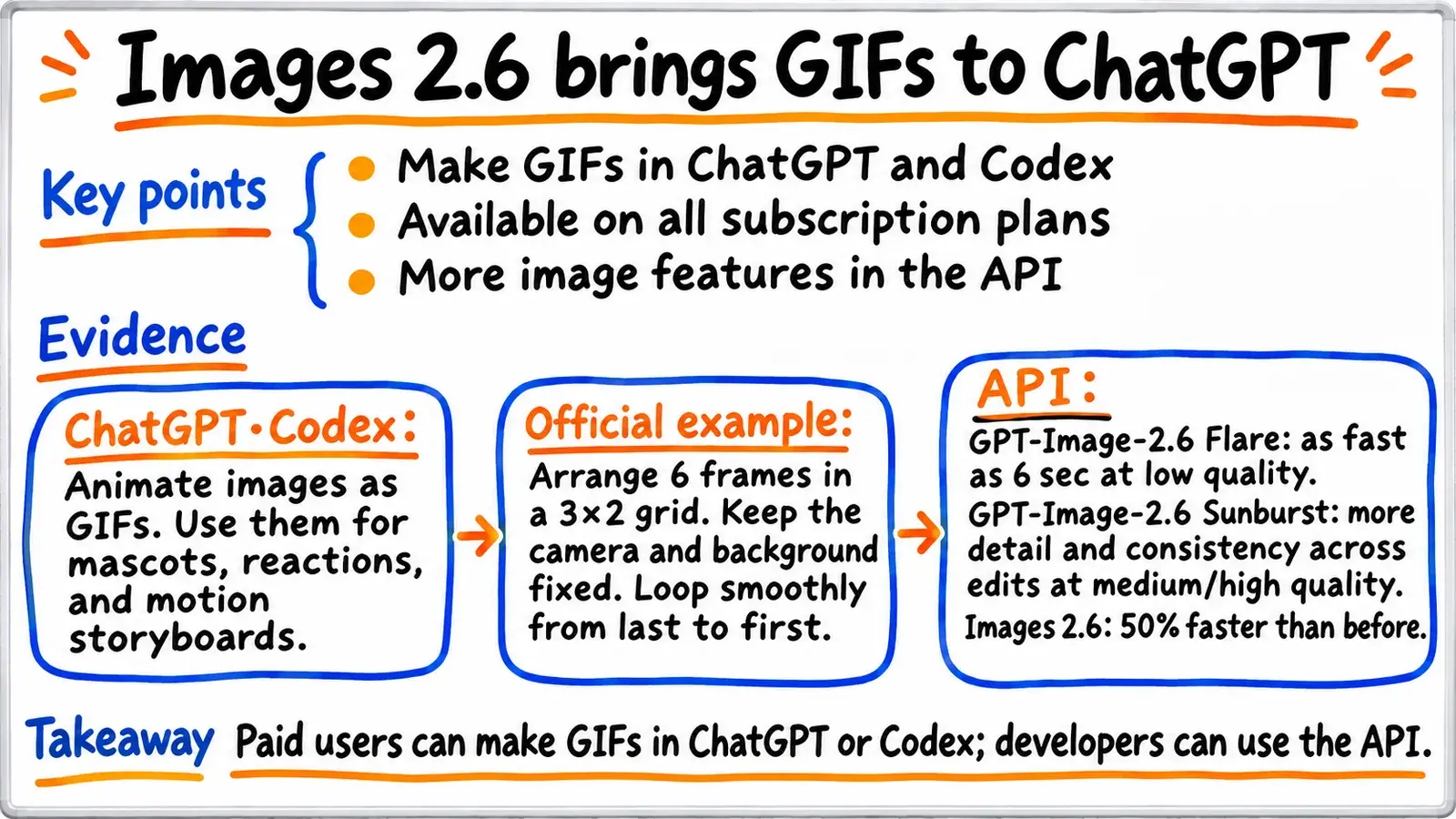
One of the most important figures in this release is that the new model works 50% faster. And while for an average user this simply means saving a few seconds, for businesses that use AI as one of their operational tools, it can mean a significant reduction in server computing and maintenance costs. Businesses can also react to trends almost instantly. Something happens in the world, and within a minute, thousands of personalized banners tailored to that event are ready.
The model is also better at preserving the appearance of characters, clothing, and product details during consecutive editing sessions. Saved images can also be used as persistent references and accessed in other chats via @ without having to upload them again. This was actually a common issue, as AI, and most models in general, would often alter small details, which could seriously damage brand identity. I would also add that this technology could partially eliminate the need for intermediaries. Images 2.6 is challenging giants like Shutterstock and Getty Images, since it is much easier for a business to generate a unique image featuring its own product right away.
And, of course, there are some caveats. One issue for users is that uploaded GIF files cannot be edited just yet (at least for now). Animations can only be created from scratch or from static images. OpenAI is deliberately maintaining this limitation, presumably to protect itself from potential lawsuits related to modifying copyrighted videos and to reduce the risks of creating political or commercial deepfakes.
Once again, it is worth understanding that this entire transition from static images to dynamic content (GIFs), along with the ability to preserve references via @, is essentially just about process optimization. I would also add that in marketing, companies that can create visual content faster and at a lower cost are the ones that capture most of the attention. And OpenAI has once again raised the bar for content creation speed.








