
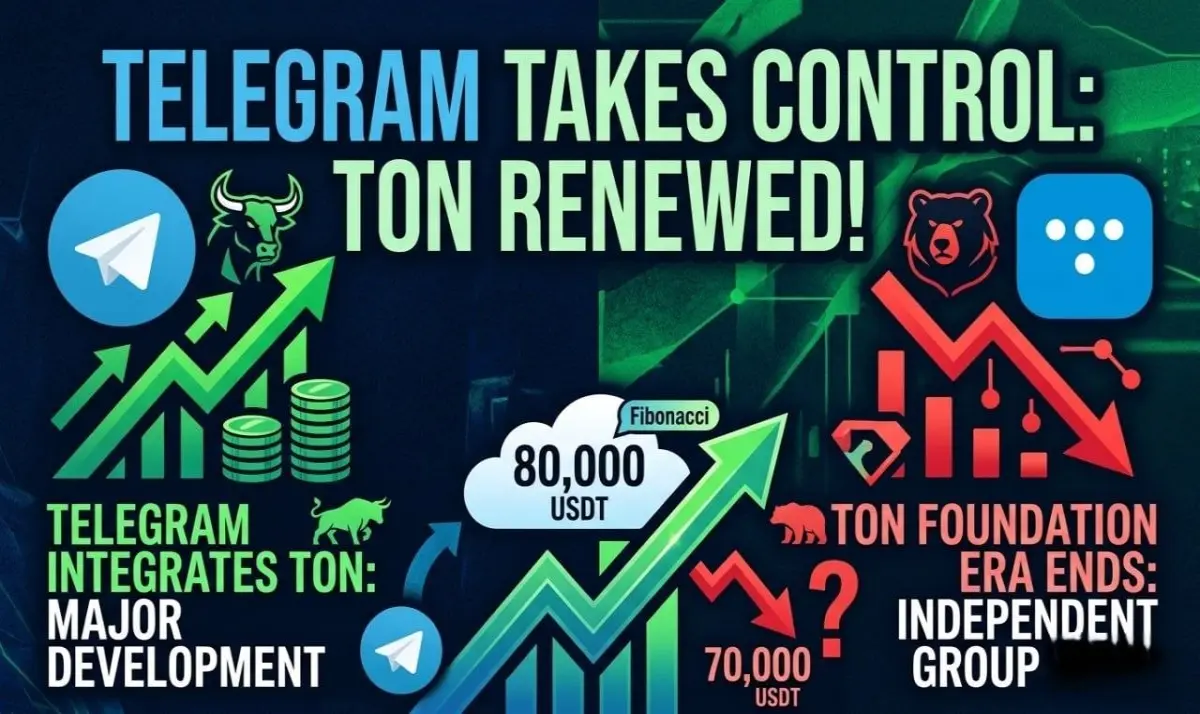
For six years, from 2020 until today, control of The Open Network blockchain – more commonly known as the TON network – was entrusted to the TON Foundation. Following legal disputes with the SEC, the Telegram group was forced to abandon the chain's development, allowing an independent entity to spearhead its evolution. Now, however, the social media platform founded by the Durov brothers has returned to the heart of the project.
Just hours ago, the CEO of Telegram stated that the company is officially set to replace the TON Foundation, becoming the network's largest validator with 28.2 million TON tokens in staking. Markets have reacted enthusiastically to this development, driving up the price of both the native token and the various coins associated with the ecosystem's mini-apps.
The Road from 2018 to the Present
It is worth remembering that from 2018 to 2020, Telegram was the sole entity officially leading the Telegram Open Network. However, during a period of intense SEC scrutiny toward crypto companies, the social media platform faced heavy sanctions. It was forced to halt development after the SEC classified the sale of its tokens to investors as unregistered securities.
In 2018, the Durov brothers had raised approximately $1.7 billion through the public sale of the GRAM token to fund the blockchain's launch. Due to the SEC's intervention, the actual launch only took place in May 2020, with the project's management handed over to the autonomous TON Foundation.
Since then, Telegram remained closely integrated with the ecosystem for obvious strategic reasons (via wallets and mini-apps) but lacked direct control over network governance, which was managed by a community of independent validators.
The New Era of Integration
According to Pavel Durov, within the next 2-3 weeks, the company will once again assume a central role in the network. By staking 28.2 million TON, Telegram will become the lead validator and take over operational management from the TON Foundation.
This represents a massive step forward—made possible largely by a more favorable regulatory environment in the United States compared to previous years—allowing Telegram to solidify the bond between the social media platform and the blockchain





