
Trust wallet isn’t just a name you’ve heard in passing—it’s a gateway to controlling your own crypto assets.
If you’re anything like me, you’ve probably spent hours scrolling through wallets, hoping to find one that isn’t trying to sell you some custodial dream, I’ve been down that road, and after trying far too many, I kept circling back to one – Trust wallet.
Now before you brush this off as another one of those shallow top-10 listicles with fluffy content, stick around, this one’s written by someone who’s been in the trenches of Web3, someone who’s lost coins, found them again, and understands how nerve-wracking self-custody can feel especially when you’re managing high-value assets, or trying to onboard new users into Web3 safely.
This is not about hype, it’s about function, risk, freedom, and the quiet satisfaction that comes from knowing you hold the keys.
What Trust Wallet Gets Right From the Start
When you first open Trust wallet you’ll notice something rare in Web3 tools—simplicity, not in the sense of dumbed-down, but in how clean it feels, it doesn’t make you feel stupid for not knowing every protocol, it just gets out of the way and lets you store, send, and receive assets without a wall of friction.
What makes that possible is its intuitive UI, I say that as someone who’s tried onboarding relatives, they didn’t ask me what half the buttons meant, that’s a win. Trust wallet gives you a straightforward experience while still handling the full scope of Web3—NFTs, tokens across multiple chains, and even in-app swaps.
Security-wise, Trust wallet doesn’t mess around, private keys are kept locally on your device, no cloud nonsense, it means you’re the one holding the gun and the bullets, that’s both empowering and terrifying, but it’s how true crypto was meant to be handled.
I’ve always recommended people pair it with a paper backup or a metal seed storage, that’s the tradeoff, control means responsibility, lose your phone and your seed phrase? That’s on you, but the flipside is no central authority freezing your funds or ‘helping you’ recover them after a bad actor convinces support they’re you.
Whether you’re a founder moving team funds, a retail investor managing your altcoin bags, or a CMO overseeing a token campaign, having that kind of sovereignty is non-negotiable in my book.
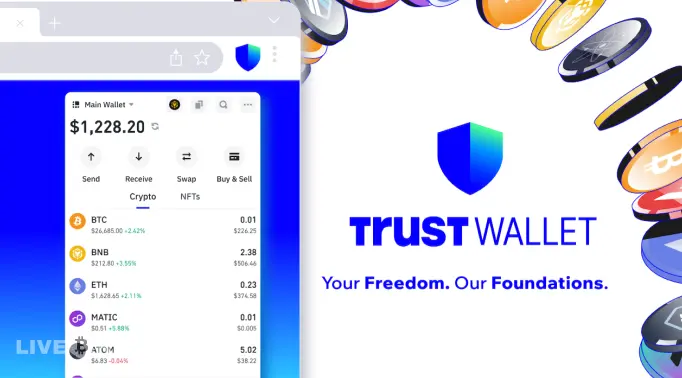
Trust wallet in Daily Use: What You’ll Actually Notice
Now here’s where most reviews skip the lived-in details. Trust wallet isn’t just a vault it’s an actual daily driver. I’ve used it on the go, in meetings, even abroad, when I needed to swap assets or approve contract interactions.
Multi-chain access is one of the biggest wins, Ethereum, Solana, BNB Chain, it’s all there, no more downloading a dozen wallets or using janky bridges just to manage a portfolio, for builders, it’s gold. You can test contracts, interact with apps, and do cross-chain tasks without moving between devices or platforms.
But like anything, it’s not perfect, the biggest challenge I’ve found is that gas fees can still bite, depending on the chain, that’s not Trust wallet fault but it does mean you need to double-check before you hit send. They do give a fee estimator, which helps, but sometimes it’s better to wait a few hours or switch chains entirely.
Another small but crucial win is wallet connect it works smoothly, you don’t get the awkward “Connect Failed” or “Unsupported” errors as often as with some other wallets, again, that matters when you’re in a call with your dev team or a founder and need to sign a transaction live.
There’s a rhythm that builds when you’re using Trust wallet daily, you stop worrying about security because it’s baked in, you stop questioning every tap because it’s familiar and that confidence adds up.
Why Founders and Execs Trust Trust wallet
Let’s get real, if you’re a founder, CMO, or COO in this space, you’ve got enough fires to put out, your wallet shouldn’t be one of them.
I’ve onboarded startup teams, run token launches, and advised projects on the backend and one thing I’ve learned is that too many wallets cause chaos, one for the devs, one for the founders, one for marketing, and suddenly no one knows where the funds are.
Trust wallet solves that mess by letting you create multiple accounts within the same interface, you can label them, manage them separately, and get a bird’s-eye view when you need it, this matters when you’re moving between public addresses for security or audit reasons.
But there’s another angle, reputation, using a trusted, open-source wallet like Trust wallet tells your community you care about transparency, you’re not hiding behind proprietary software or letting third parties control treasury wallets, that creates trust something this industry is desperate for.
You also get direct access to staking features, native token support, and dApp integration, so if you’re managing a staking campaign or giving your community tools to interact with your token, Trust walletis ready-made for that. No third-party browser extensions, no awkward tutorials—just one app.
And for execs who travel or need mobile flexibility, Trust wallet’s mobile-first approach makes everything easier, you’re not chained to a desktop or forced to use awkward browser extensions, just take out your phone, authenticate, and go.
That kind of agility makes a big difference when seconds count.
Hidden Gems That Make a Real Difference
This is the part most people miss, the little things.
You’ll find browser integration for in-app dApp exploration, but here’s where it shines you’re not redirected, you stay in the app, that reduces points of failure. Less phishing risk, less chance of signing a rogue contract, it’s these micro decisions that make Trust wallet stand out.
Then there’s the staking interface, it’s not some bolted-on afterthought, it’s clean, you can stake with just a few taps, whether you’re delegating to secure the network or earning passive rewards, it doesn’t feel like an after-hours dev project—it feels native.
The token import function is smooth, it auto-detects most, but if you’ve got a fresh deploy or a new listing, you can add the contract address directly, quick, manual, no support ticket needed, this is huge for project teams, imagine announcing your token, and your community can instantly load it up without chaos in Discord.
There’s also backup reminders, annoying, maybe, but helpful for sure. I’ve had users in my community thank me because Trust wallet nudged them one more time to write down their seed.
Small things. Big impact.
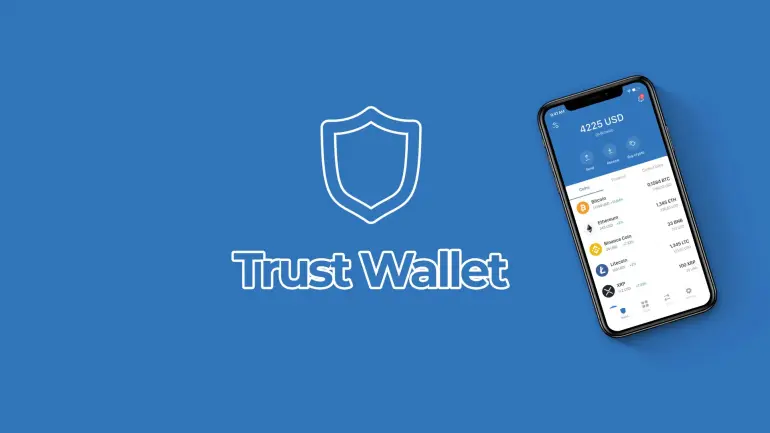
Why Trust wallet Deserves Your Attention
After months of daily use, real-world transactions, community feedback, and on-chain interaction, I’ve come to one conclusion Trust wallet is not just reliable, it’s a tool that scales with your needs.
Whether you’re handling your own portfolio, managing a treasury, or leading a Web3 project, you need a wallet that supports all that without becoming a liability, Trust wallet does that.
It empowers you without overwhelming you, it gives you tools without taking away control, it’s transparent, secure, multi-chain ready, and battle-tested by users who actually live in the crypto world day in and day out.
If you care about self-custody, speed, accessibility, and simplicity all in one, Trust wallet deserves your attention.
And if you’re new here if this is your first time reading Web3 Insiders—welcome, stick around, we’re just getting started, subscribe, share your thoughts in the comments, or shoot us your questions, the next deep dive might be on a topic you request.






