
"I‘ve asked myself this question many times: can a computer think?
Not just process data. Not just follow instructions. But actually think — have ideas, feel emotions, be conscious.
It‘s a question that philosophers, scientists, and engineers have been debating for decades. And we still don‘t have a clear answer."
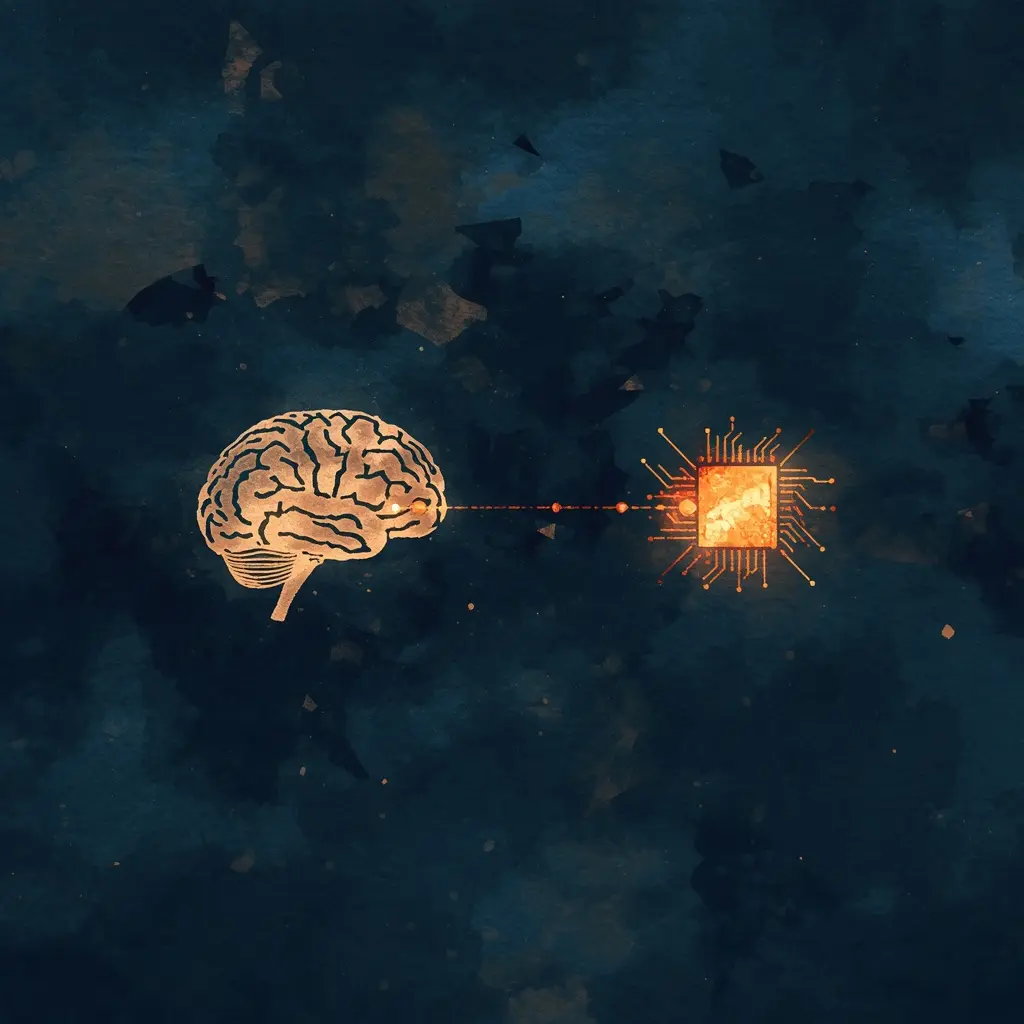
What Does 'Think' Even Mean?
Before we can answer whether computers can think, we need to define what 'thinking' is.
Is it solving problems? Computers do that.
Is it learning? Computers can do that too.
Is it having feelings? That‘s where it gets complicated.
The Turing Test
In 1950, Alan Turing proposed a simple test: if a computer can have a conversation with a human and the human can‘t tell it‘s a machine, then it can 'think.'
Today, AI can pass the Turing Test in many situations. But does that mean it‘s thinking? Or just pretending?
The Chinese Room Argument
Philosopher John Searle proposed a thought experiment: imagine a person in a room who doesn‘t speak Chinese. They receive Chinese characters, follow a rule book, and send back responses.
To an outside observer, it looks like they understand Chinese. But they don‘t. They‘re just following rules.
Searle argued that computers are like that person — they manipulate symbols without understanding them.
What Computers Do Well
Computers are incredible at:
- Processing data
- Recognising patterns
- Solving logical problems
- Learning from examples
But they don‘t have consciousness, emotions, or self-awareness. They don‘t 'know' they exist.
What Computers Can‘t Do (Yet)
Computers can‘t:
- Feel joy, sadness, or pain
- Have a sense of self
- Make truly creative leaps
- Understand meaning the way humans do
Maybe they never will. Maybe they will. We don‘t know.
The Hard Problem of Consciousness
The biggest problem is that we don‘t even understand human consciousness. We don‘t know how the brain creates thoughts, feelings, and self-awareness.
If we can‘t explain our own consciousness, how can we create it in a machine?
Does It Matter?
Maybe the real question isn‘t whether computers can think. Maybe it‘s whether we should treat them as if they can.
If an AI can write a poem, comfort a grieving person, or make us laugh — does it matter if it 'truly' understands?
Maybe what matters is the impact, not the intention.
"We are building machines that can learn, adapt, and create. They can beat us at chess, diagnose diseases and ect.
But are they thinking? Or are we just projecting our own humanity onto them?
That‘s a question only you can answer."
What About You?
"Do you think computers can truly think? Or are they just very good at pretending?
Let me know in the comments — I‘d love to hear your perspective."
"If this article made you think leave a tip or a like — it keeps me writing honest content."
#AI, #philosophy, #consciousness, #technology, #TuringTest, #studentlife





