The online gambling industry continues to swell, with its global player pool standing at over eight hundred million. However, something many indulging in remote games of chance are not aware of is that the sites they use are not always licensed in their country. Sometimes, players' regions have not even legalized interactive gaming. Yet, residents can use platforms based in other jurisdictions, ones regulated by organizations they did not even know existed.
Casino Groups, a top gambling site evaluator, has obtained a reputation for being one of the iGaming sector's most trustworthy info portals, delivering independent and objective reviews of gaming sites operating from all over the globe. It has dedicated pages for hubs active in online gambling territories that commonly do not receive as much attention as developed European markets. That is ironic, because, in reality, sites operating from these places typically serve far more people.
Below, we perform a quick dive into four not as celebrated iGaming licensors that look after a large chunk of the world's games of chance enthusiasts.
The Kahnawake Gaming License
The KGC, or the Kahnawake Gaming Commission, is one of online gambling's initial regulators. This is a body functioning from Canada's Mohawk Territory of Kahnawàke, which is near Quebec. It was established in the mid-1990s, quickly after the debut of the Internet's first casino.
The KGC has a long history and is renowned for licensing some of the Web's earliest poker rooms. It also gave many of the industry's formative online casinos approval to be active in the sector. Over the past two decades, the KGC has lost a lot of ground to so-called island regulators, but it is still a respected sphere entity that maintains decent criteria, and which many owe a debt of gratitude for drafting some of this landscape's rules.
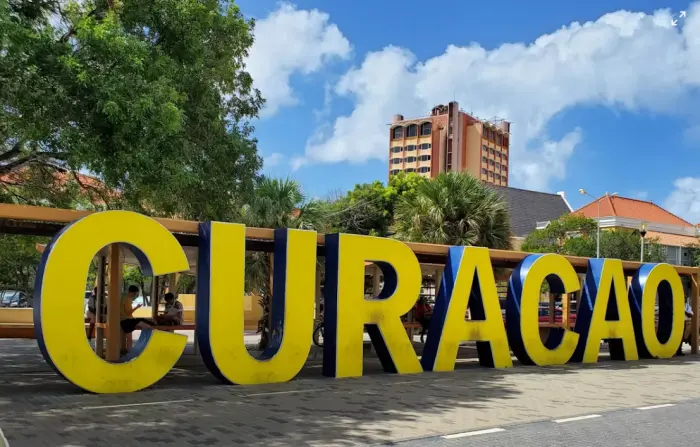
The Curaçao Gaming License
Curacao is one of the more famed island regulators, and its first licensor popped up around the same time as the KGC, in 1996. That was Curaçao eGaming, an organization that functioned under this nation's master license system, which provided power to companies to issue sub-licenses to entities they deemed fit to provide online gambling services.
There were four Curaçao master license holders until a framework known as LOK came into force here in late 2024, which merged them into the Curaçao Gaming Authority. The CGA, as it is referred to for short, per Casino Groups, oversees the highest number of top brands out of all regulators worldwide, and its licenses are listed as top performers in the Casino Groups rankings.
The Anjouan Gaming License
Anjouan is one of three islands in Africa's Union of Comoros. This is an online gambling jurisdiction that established a gambling framework in the mid-2000s, with its Offshore Finance Authority Act. Accordingly, its Financial Authority and Gaming Board do not boast a track record comparable to the KGC or the CGA. As a rule of thumb, they seem to focus on approving websites that accept Bitcoin.
Going by the Anjouan Gaming directory, over fifteen hundred online gambling licenses have been issued on this island, with many flocking to it after Curaçao tightened its regulations under Dutch pressure in the past few years. Hence, the newer Anjouan regime, and its rules, are laxer and less battle-tested than those in Curaçao. Nevertheless, they still mandate all the modern player protection measures and are well respected overall.
The Tobique Gaming License
Tobique 20 is a Canadian Native reservation, similar to the Mohawk Territory of Kahnawàke. This is a piece of New Brunswick land owned by the Tobique First Nation, which established the Tobique Gaming Commission in October 2023.
Thus, this organization is the freshest one on this list, and it has modeled its licensing procedures after the parties discussed above. It was created via the Tobique Gaming Act, and began issuing B2B licenses in March 2024. The first company to get its approval was one operated by industry powerhouse SOFTSWISS. Though boasting a competent staff, the Tobique Gaming Commission lacks a documented track record of enforcement and complaint resolution, which is why it is not often discussed in the same vein as the previously noted three regulators.
Still, in its short existence, the Tobique Gaming Commission's register highlights that this organization has provided its operational approval to one hundred and ninety-two entities.
Note: This post was provided and published on behalf of a client. Publish0x does not guarantee the accuracy of the statements made in this post. The post should not be considered as an Publish0x endorsement of the products, services, or people mentioned. Readers should do their own research before taking any actions related to the company. Publish0x is not responsible, directly or indirectly, for any damage or loss caused or alleged to be caused by or in connection with the use of or reliance on any content, goods, or services mentioned in the press release or sponsored post.






