Publication in Russian on the Zen blog
https://dzen.ru/a/aakWmS-Sm2xWHvzp
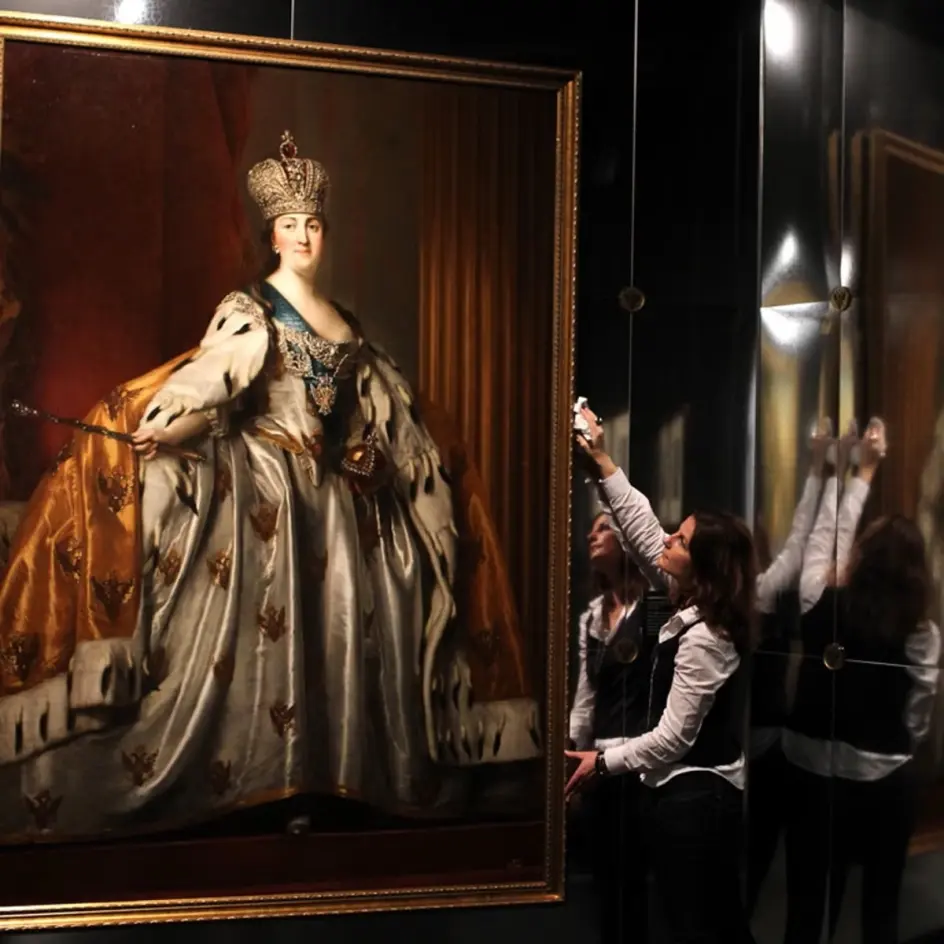
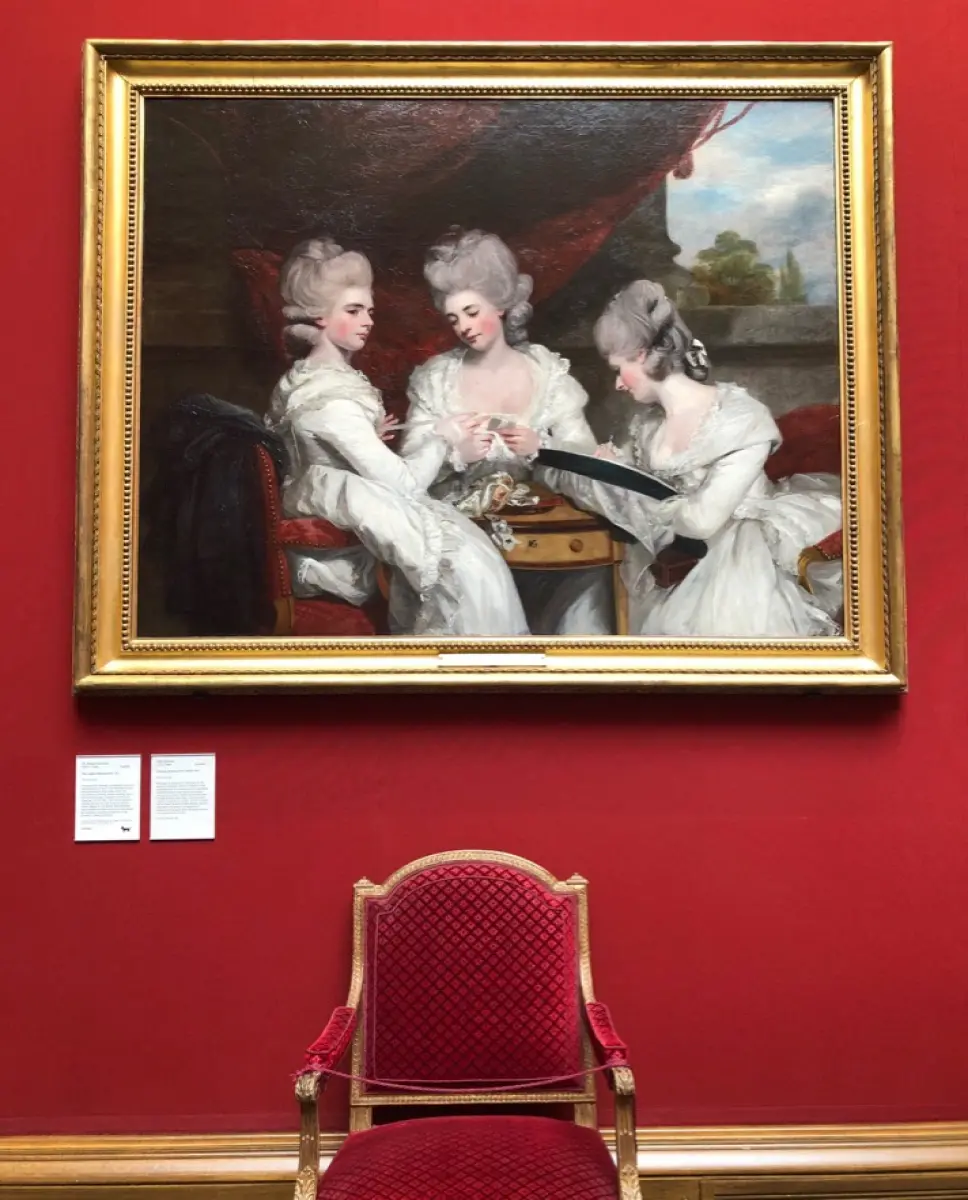
It turns out that in Edinburgh, the National Museum of Scotland hosted a major exhibition in 2012 called "Catherine the Great: The Enlightened Empress."
The exhibition, together with the State Hermitage Museum, featured about 600 works from Catherine's collections, including portraits, costumes, jewelry and precious objects.
Catherine II is very much loved in Great Britain, so I once discussed her with an Englishwoman.
When she found out that I was from Russia, she asked if I had watched the series about the Empress.
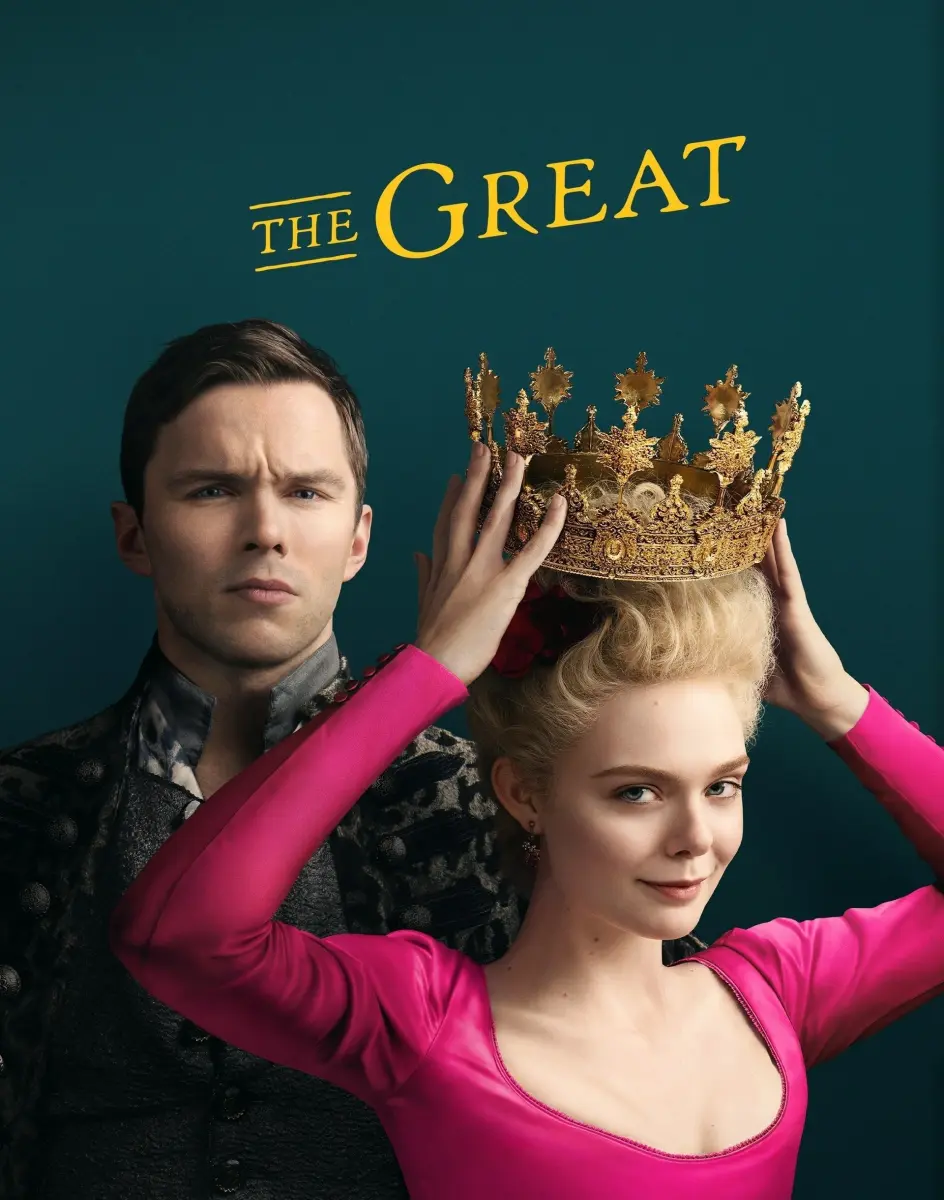
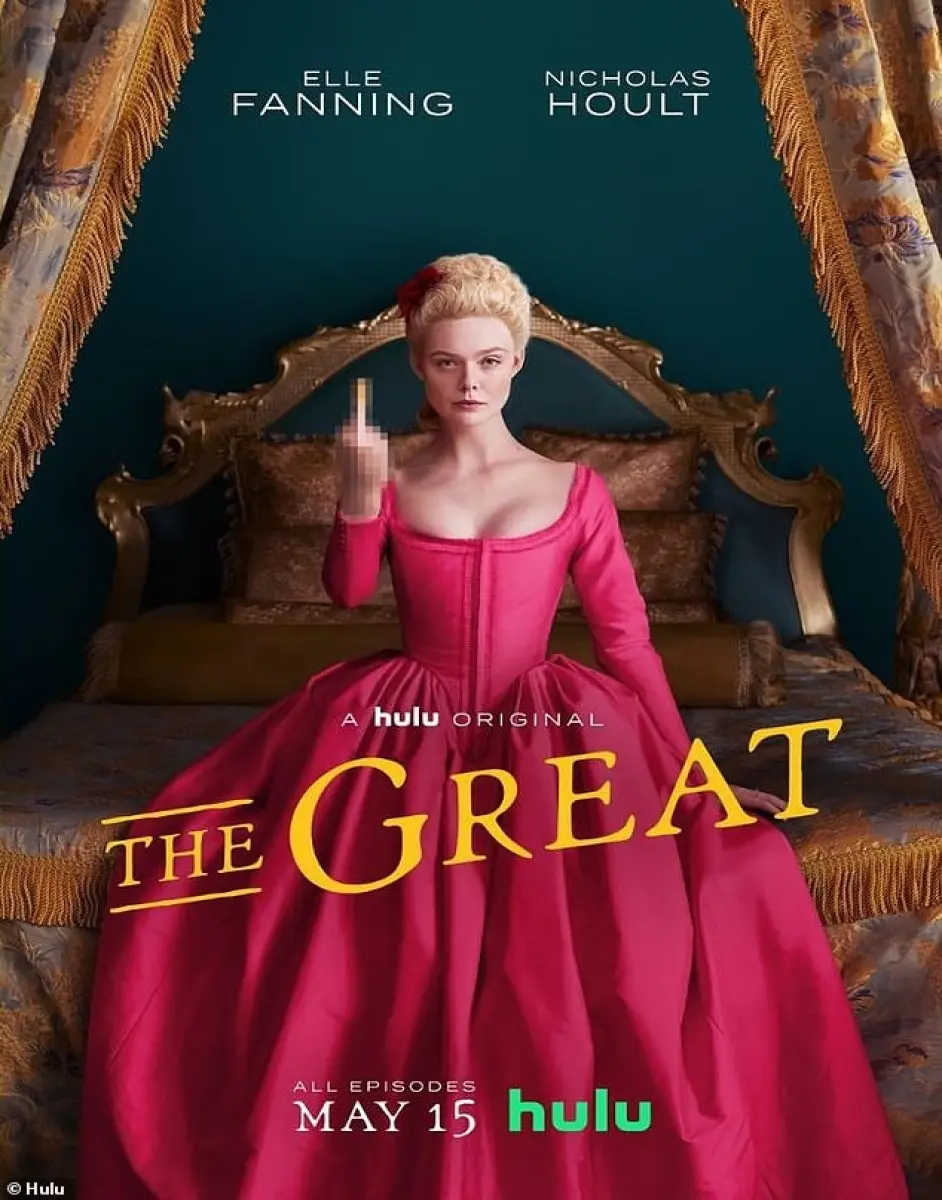
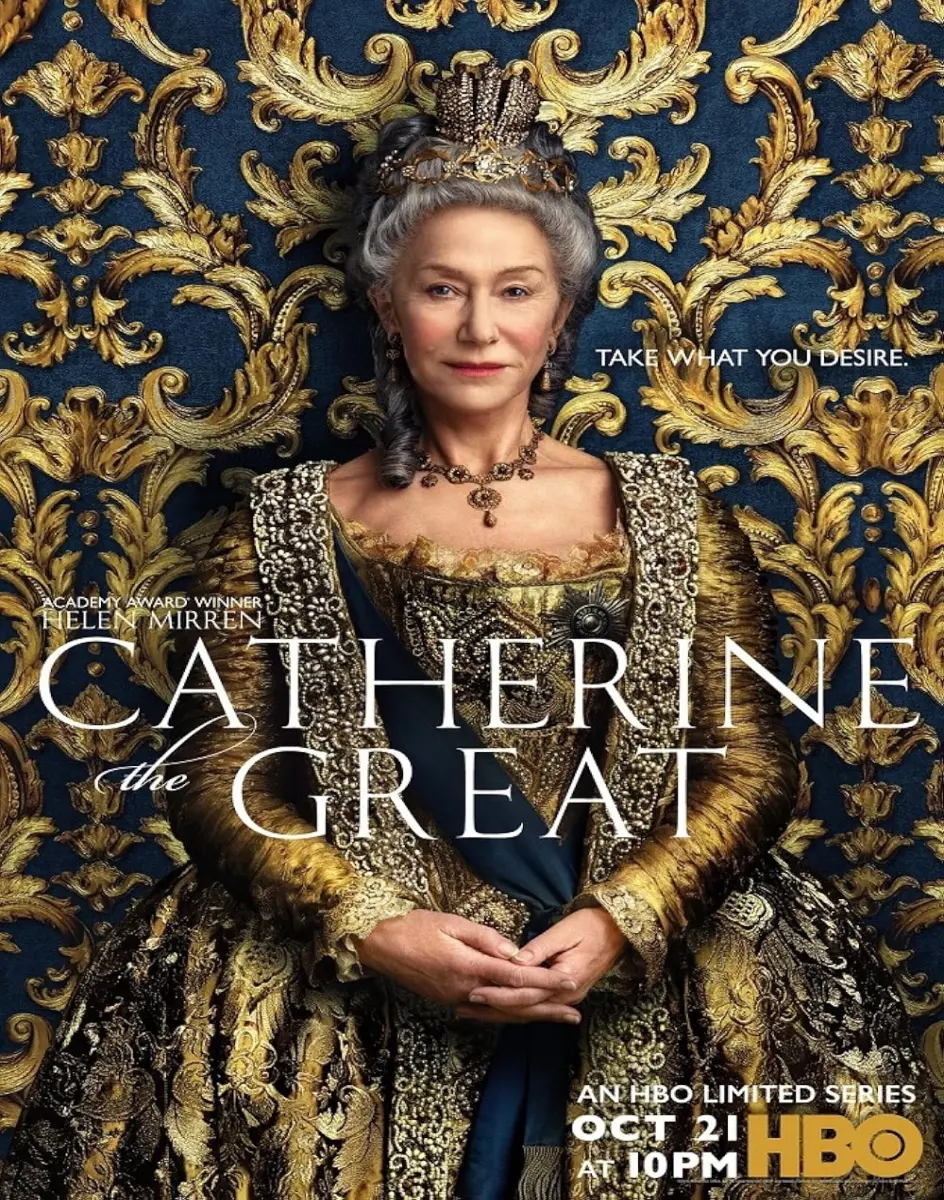
I replied that, unfortunately, no, to which the girl enthusiastically advised me to definitely watch the British historical drama "Catherine the Great" (2019) and the satirical comedy "The Great" (2020). The series are really worthy, especially thanks to the talented actress Elle Fanning (she and her sister Dakota are so original).
Thus, the figure of the Empress is of great interest even after centuries.
Catherine II's life was eventful, you can't say anything.
Here you have a woman and power, and sexual freedom, a woman and education, for her time, the ruler was more than progressive.
At that time, the adoption of a female ruler was more problematic among the elites of Western Europe than in Russia.
So, the British Ambassador to Russia, James Harris, wrote about Catherine II in London that:
"Her Majesty possesses manly strength of mind, stubbornness in following a plan, and boldness in carrying it out; but she lacks the more manly virtues of reflection, patience in prosperity, and precision of judgment, while she possesses to a high degree the weaknesses usually attributed to her sex—the love of flattery and its inseparable companion, vanity; inattention to unpleasant but useful advice; and a penchant for sensuality, which leads to excesses that would humiliate the female character in any area of life."
Despite the negative aspects of her policies (there were plenty of them), it cannot be denied that under her long reign, inspired by the ideas of the Enlightenment, Russia experienced a renaissance of culture and science.
This renaissance led to the founding of many new cities, universities, and theaters, as well as mass immigration from the rest of Europe and the recognition of Russia as one of the great powers of Europe.
I have a personal history with the ruler: my dad named me "Catherine" in honor of Catherine II.
I recommend a selection of Oxford Notes in the blog for those who are interested in England.
I've been thoroughly hooked on books and materials on evolutionary biology and psychology, ethology, and neurophysiology, and I don't know how to stop.
Dawkins, Sapolsky, Lorenz, Chopra, Harari, Pinker, Peterson... I listen to lectures by Dubynin (I went to his special course at the Moscow State University Faculty of Biology) and Drobyshevsky.
To be honest, I haven't read fiction for 5 years (but I don't feel like it either), only popular science: biology, genetics, neurology, all kinds of naturalistic topics…
All this intellectual vinaigrette in my head is also accompanied by reading historical blogs about comparing the crisis of the Roman Republic and the transition to empire and the United States now, the Civil War in the States, as well as books about feminism.
Something like that…
Ekaterina Sveshnikova, England, London, Oxford University
And some more facts about England:
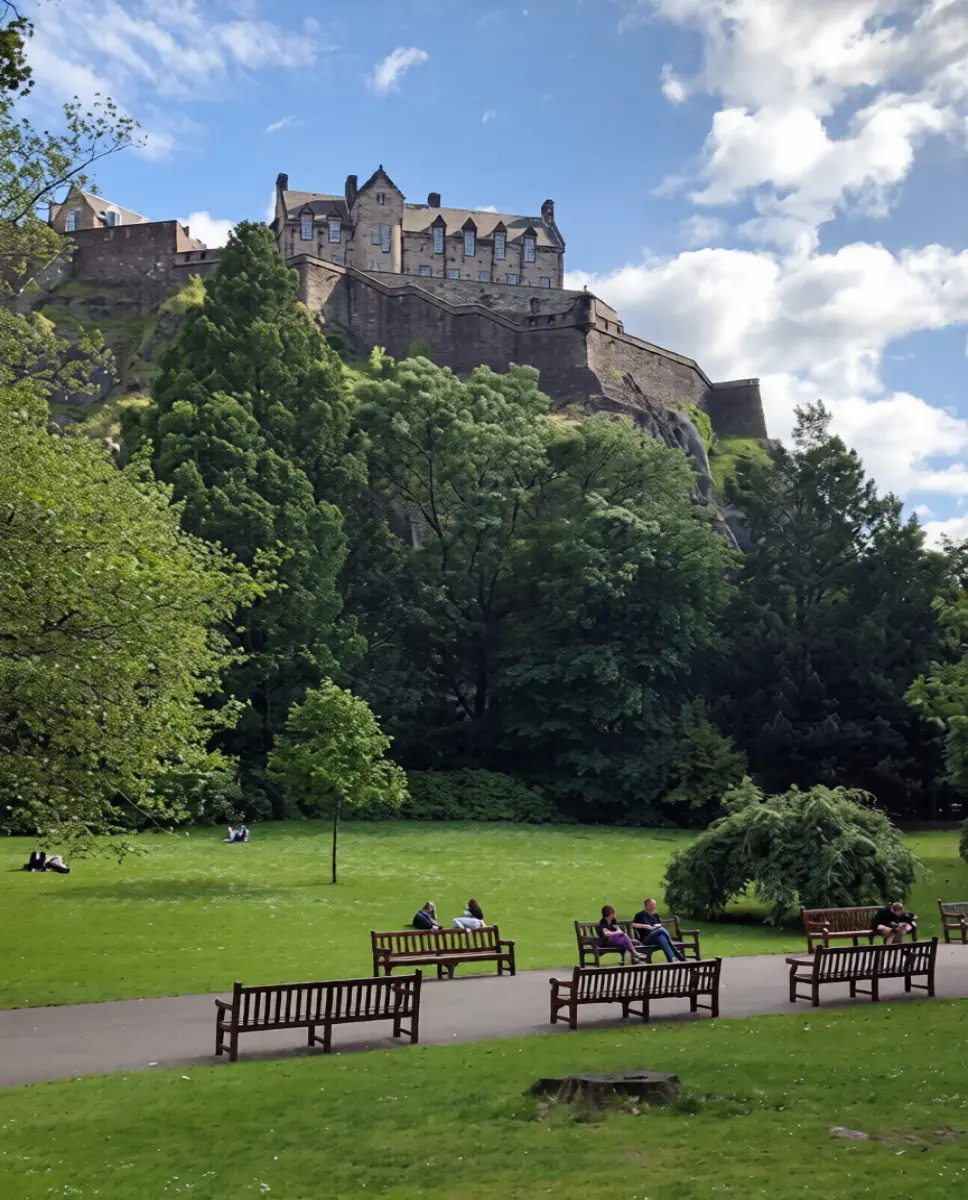
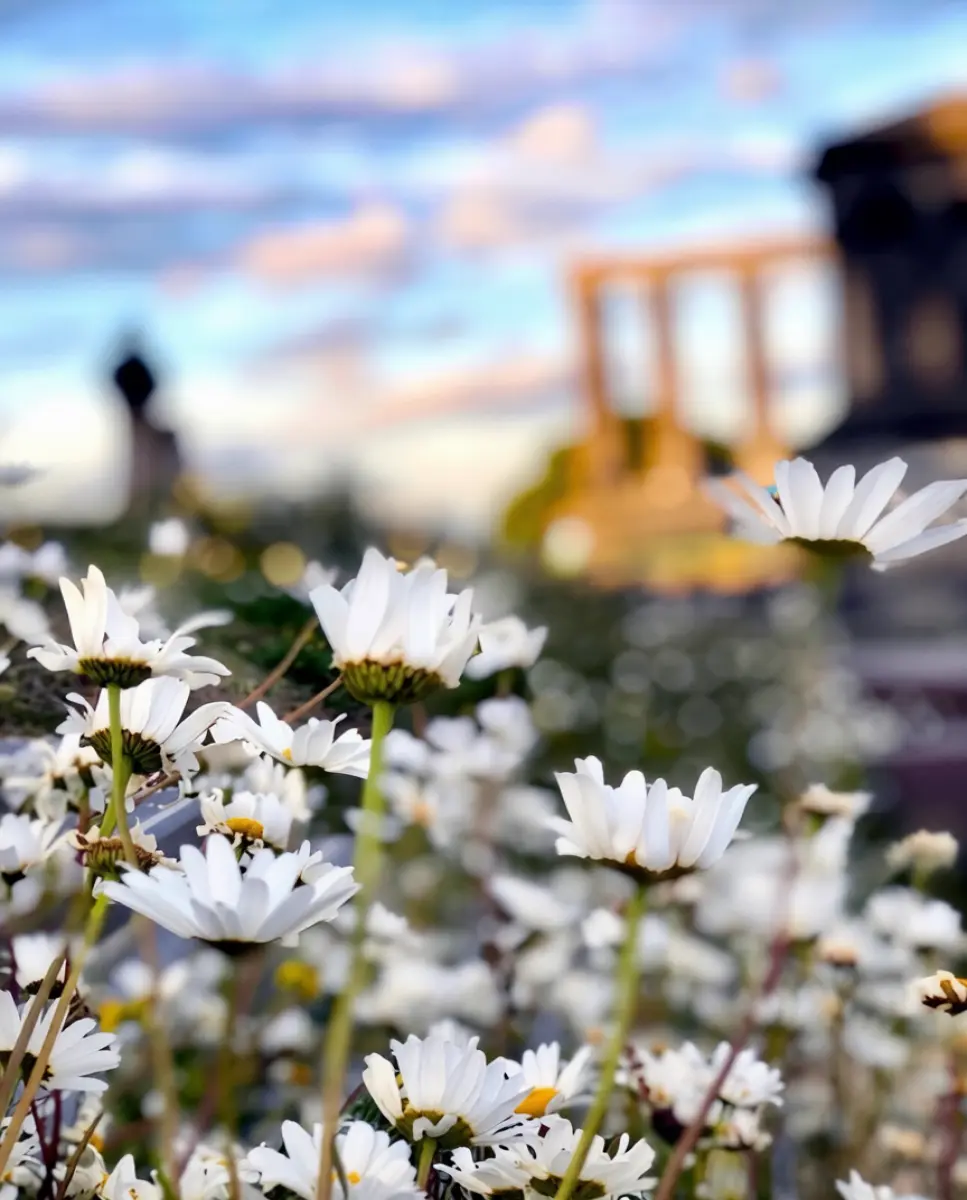
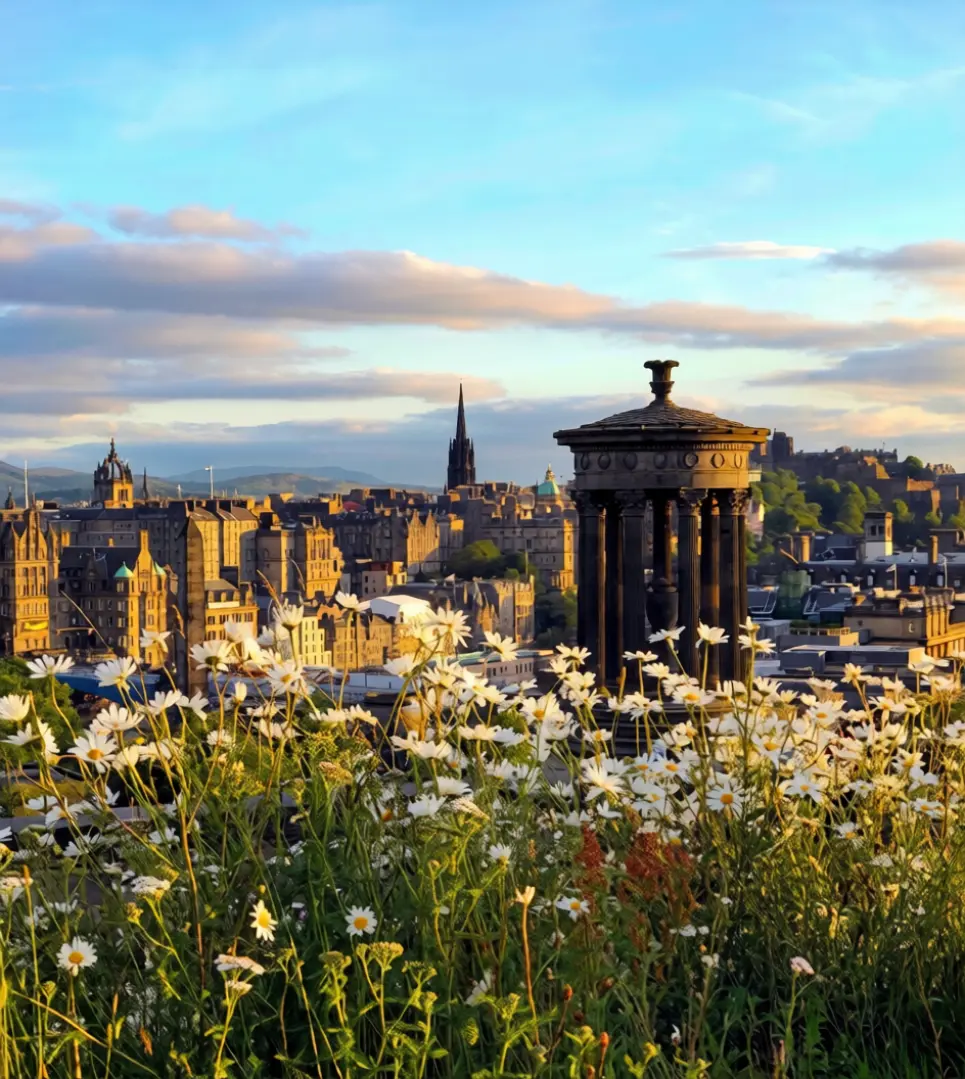
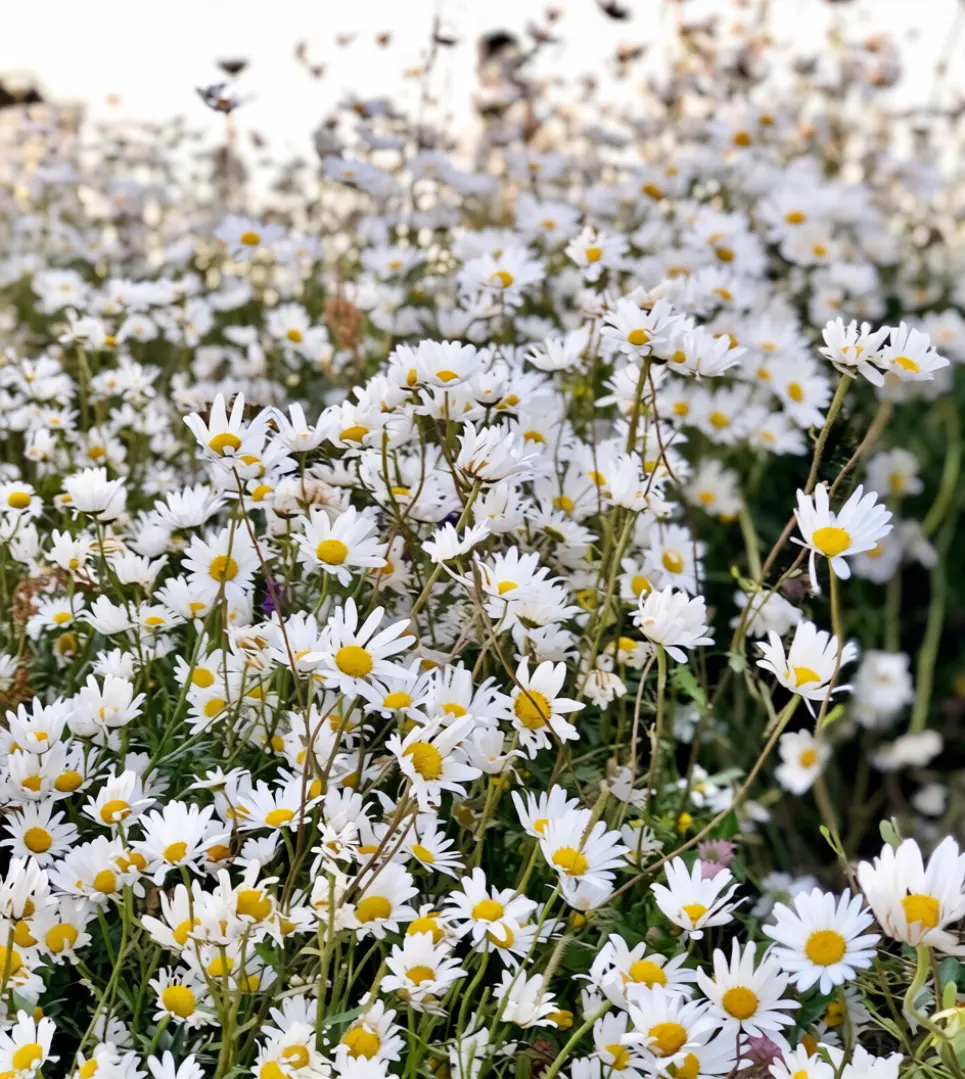
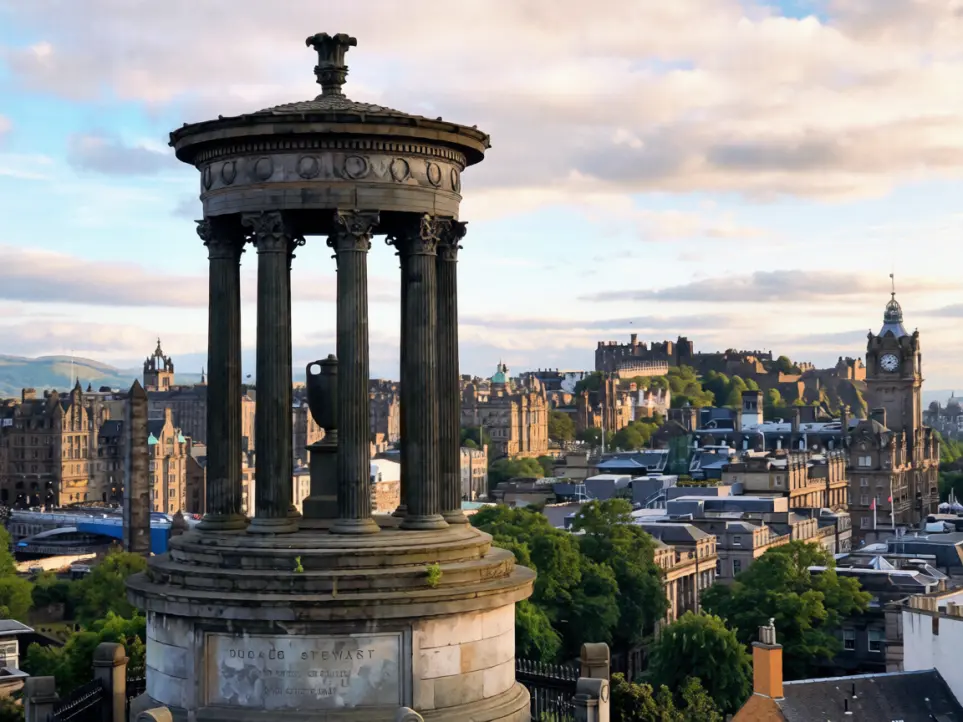
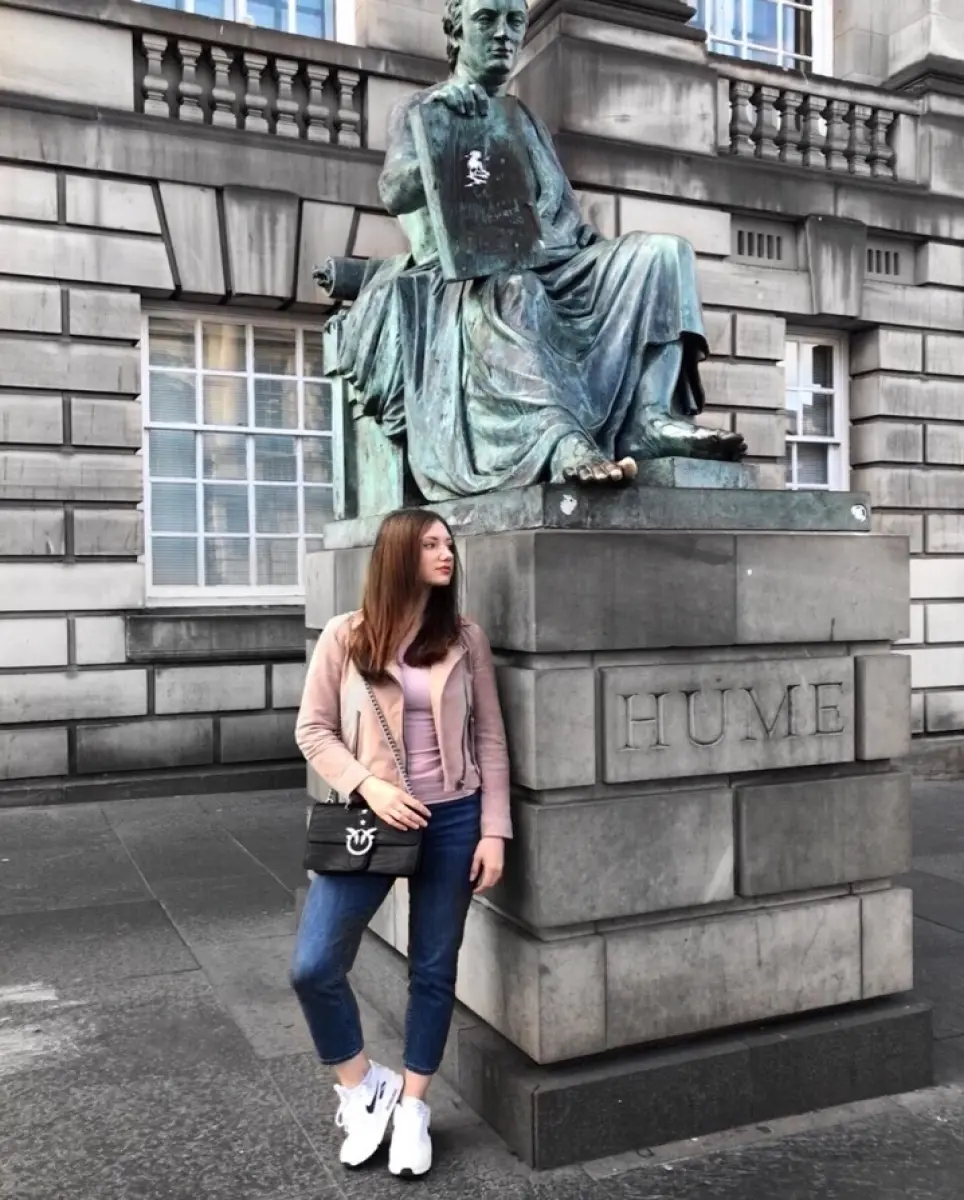
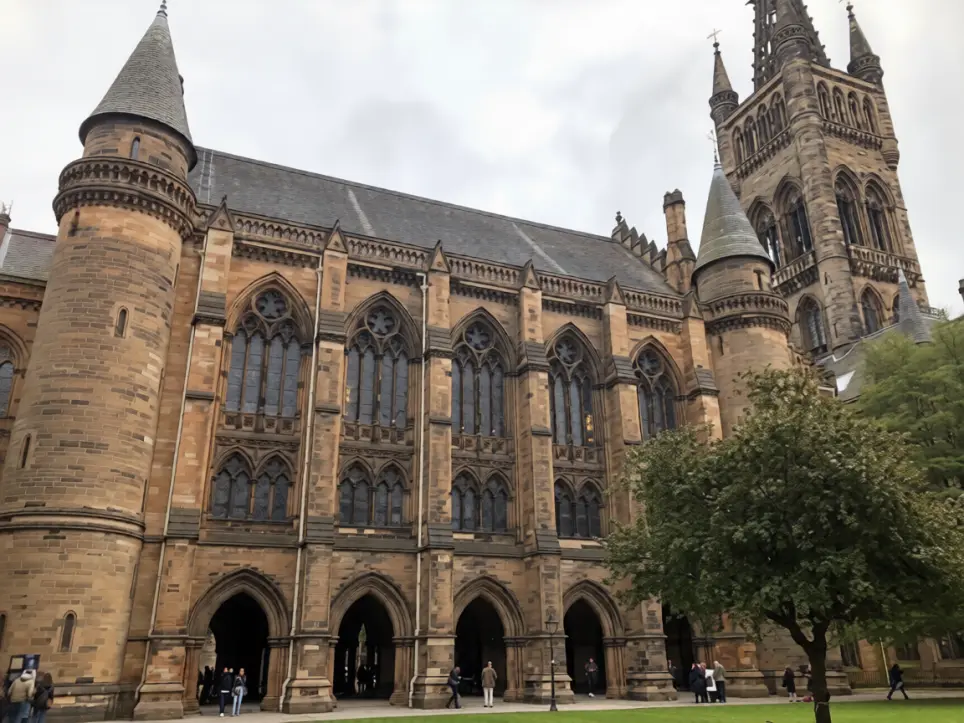
Colton Hill, a sea of daisies at sunset, the Edinburgh Museum and the University of Glasgow.
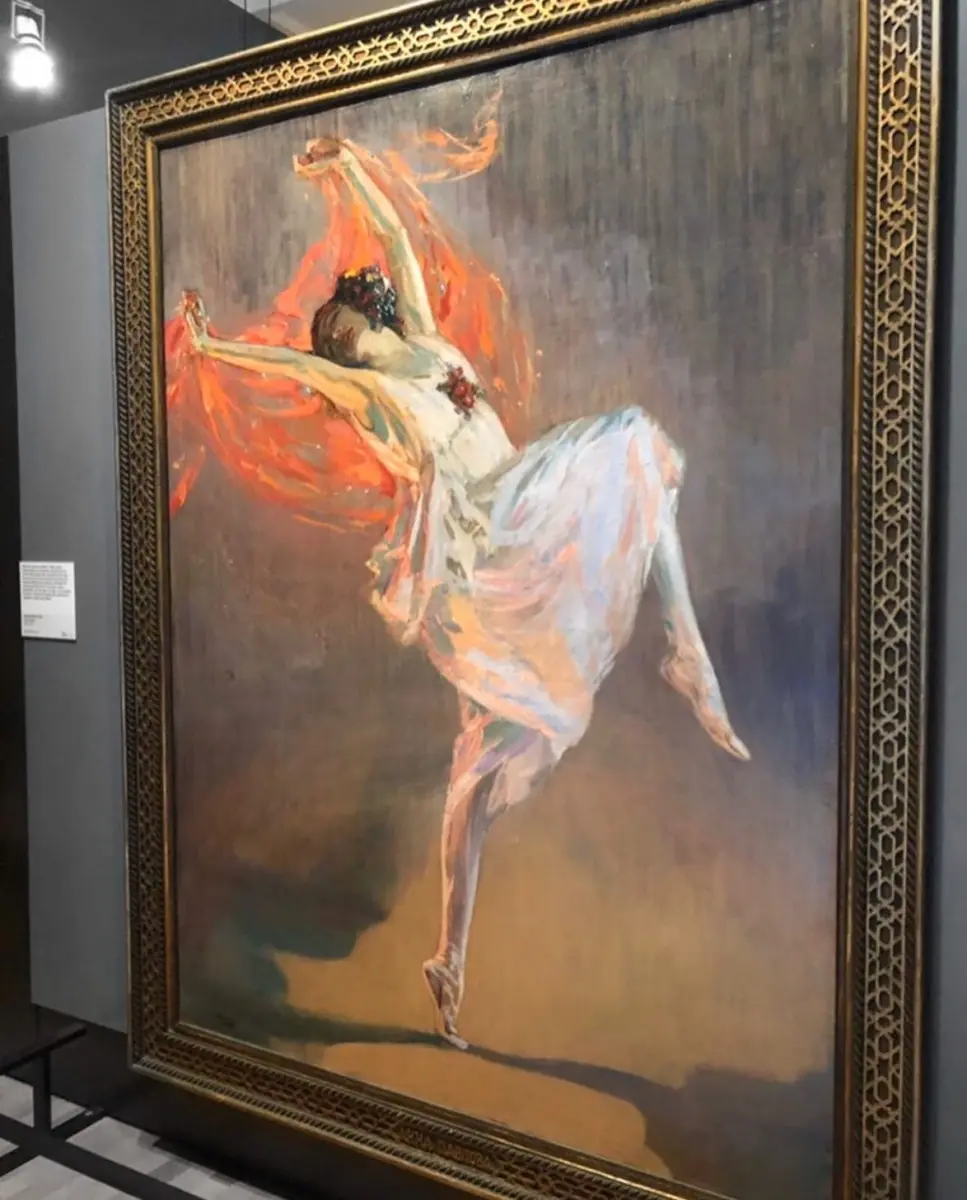
I really enjoyed the Kelvingrove Art Gallery and Museum, there is a lot to see here. The painting of a dancing girl from there is “Anna Pavlova" by John Lavery (1856-1941).
Anna Pavlova (1881-1931) was a prima ballerina at the Mariinsky Theatre in 1906-1913.
After the outbreak of World War I, she settled in the UK, constantly toured with her troupe around the world, performing in more than 40 countries and presenting the art of ballet for the first time in many of them.
Her performances helped to establish the world fame of Russian ballet. The choreographic miniature monologue "The Dying Swan" performed by a ballerina has become one of the high standards of the Russian ballet school.
Oxford Diaries is a blog about life and studies in the UK and academic English.
Interesting notes about life in England and studying at Oxford, history, culture, literature, philosophy, useful expressions and words in English, my experience of "shaving"
If you're on the same wavelength with me and you like British culture,
you’re welcome https://t.me/oxfordrose1