Las tarjetas de débito precargadas con criptomonedas ya son una realidad para pagos cotidianos.
Actualización: actualmente la tarjeta de debido de Kucoin no se admite en todos los países / Update: Currently, the Kucoin debit card is not supported in all countries.
Hola que tal, sean todos bienvenidos a un nuevo artículo que espero sea de su completo interés.
Es muy probable que muchos de nosotros tengamos una tarjeta de crédito o débito que usemos para pagar nuestros gastos cotidianos, estas funcionan asociadas a un banco; en el caso de las tarjetas de débito debemos tener como mínimo la cantidad de dinero a pagar en nuestra cuenta bancaria, este monto se transfiere al vendedor y el nos entrega el producto.
Con las tarjetas de crédito la situación cambia un poco, en lugar de tener el monto a pagar en nuestra cuenta bancaria y transferirlo de inmediato al vendedor, el banco "nos presta" esa cantidad de dinero (teniendo un techo de consumo mensual), "él paga por nosotros en ese momento" y luego de un tiempo debemos pagarle al banco (el banco o el emisor de la tarjeta de crédito puede cobrar un manejo de cuenta o anualidad además), si no pagamos en ese plazo entonces debemos saldar la deuda con sus respectivos intereses.
Debido a la lenta pero creciente adopción de las criptomonedas para comprar y vender productos y servicios no solo en nuestro país, sino que las criptomonedas abren la puerta a la globalización de nuestros negocios; ahora estamos viendo la llegada de tarjetas de débito respaldadas con criptomonedas, "¿qué eso?, ¿cómo funcionan?". Vamos a descubrirlo.
De acuerdo con la información proporcionada por Bitso y Criptonoticias estas funcionan de una manera muy similar a las tarjetas de débito emitidas por cualquier banco: nosotros debemos tener saldo en nuestra billetera, ya sea en forma de Bitcoins o cualquier otra criptomoneda aceptada por el emisor de la tarjeta, al momento de pagar esa tarjeta cuenta con el respaldo de Visa o Mastercard o cualquier otra entidad internacional de manera que puede ser aceptada por el vendedor y pagar como con cualquier otra tarjeta de débito.
Pero aquí es donde viene una importante diferencia: como tenemos nuestro saldo que respalda a la tarjeta en forma de criptomonedas, pero el establecimiento donde queremos pagar con nuestra tarjeta solo acepta dinero Fiat, entonces el sistema de la tarjeta "paga" con dinero ordinario al vendedor y a nosotros se nos descuenta el monto en las criptomonedas que tengamos cargadas en la cuenta. Osea que la gran ventaja es que no necesitamos vender nuestras criptomonedas en algún exchange previamente tomando tiempo y comisiones posiblemente elevadas, además exchanges como Poloniex tienen la mala costumbre de congelar "por un rato" los intercambios de la moneda que más fluctuaciones está teniendo en ese momento; por ejemplo tenemos bitcoins y en ese momento está subiendo rápidamente el precio y manualmente queremos venderlos, pues si hay mucha demanda de ventas probablemente no vayamos a poder vender en una media hora, y a la inversa, si el precio está bajando y "nos urge" vender y todos quieren hacer lo mismo tampoco podremos.
Claro, tampoco pensemos que todo es perfección, recordemos que el precio de las criptomonedas sube y baja todo el tiempo, pocas son las que conservan su precio por tiempos más o menos prolongados; y a no ser que ese banco emisor de tarjetas de débito respaldadas con criptomonedas acepte stablecoins en mejor no confiarse pensando que tenemos determinada cantidad en nuestra tarjeta y no sea así realmente.
Ejemplos de algunas tarjetas de débito con criptomonedas:
Bitso Card:
No funciona exactamente como las tarjetas que hemos descrito anteriormente, en realidad se parece más a las tarjetas de débito clásicas: pagas con tu dinero Fiat asociado a la tarjeta, pero por cada operación se ganan Bitcoins (pequeños montos) que a su vez funciona como un sistema de puntos de lealtad. Bueno, no nos viene mal tener esos Satoshis ahí que luego usaremos para otras cosas.
Para solicitar la tarjeta de Bitso debemos bajarnos la app de la empresa (mirar el link en el título de la sección) y desde ahí solicitar la tarjeta. Dicha aplicación está disponible para Android y iOS.
Kucard:
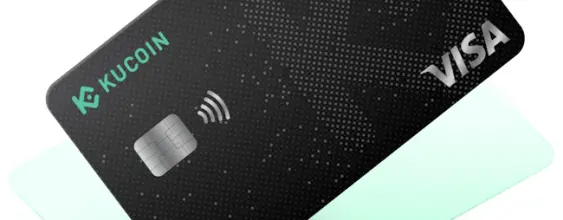
Kucoin es un reconocido exchange de criptomonedas, en el podremos aceptar pagos o enviar criptomonedas a quien gustemos, cambiar unas monedas por otras, entre otras acciones. Cuenta con su tarjeta de débito respaldadas con criptmonedas llamada "Kucard"; esta funciona de la manera que ya hemos descrito a lo largo de este artículo: debemos tener USDT (Tether) en nuestra cuenta y al momento de pagar automáticamente se convierte a Euros, por lo que el mayor inconveniente es que solo la podremos usar en Europa.
La tarjeta es compatible con sistemas de pago como Google Pay y Apple Pay, lo que permite pagar con un teléfono inteligente o algún otro dispositivo compatible; para solicitarla se nos cobrará unos 10 euros para poder recibirla físicamente, pero a cambio no hay cargos por cancelación ni comisiones para las transacciones hechas en euros. Cuenta con el respaldo de Visa por lo que la podremos usar para pagar en cualquier establecimiento que acepte pagos con tarjetas de crédito o débito.
Tarjeta de Coinbase:
Coinbase al igual que Kucoin es un reconocido exchange de criptomonedas, también cuenta con su tarjeta de débito respaldada con criptomonedas y con el respaldo de Visa, por lo que no debe haber ningún problema para usarla en establecimientos donde acepten pago con tarjeta de crédito o débito. No cobran ninguna comisión por su uso ni anualidades además al igual que la tarjeta de Bitso vamos ganando pequeñas cantidades de criptomonedas cada vez que la usamos, por lo que es atractiva la oferta.
Para solicitarla debemos ser clientes de la plataforma y mediante su web podemos solicitarla (requiere aprobación de la empresa).
Bitpanda Card:
Bitpanda es una plataforma no solo para comprar y vender criptomonedas, sino diferentes activos como ETF, metales y otros más. También cuenta con su tarjeta de débito respaldada con criptomonedas y no es muy diferente a las ya presentadas: podemos pagar con nuestras criptomonedas u otros activos que tengamos dados de alta, cuenta con respaldo de Visa y no tiene comisiones por su uso ni anualidades.
Compatible con Google Pay y otros sistemas y desde la aplicación para nuestro móvil podemos llevar un seguimiento muy preciso de nuestros gastos, además claro, poder ganar pequeñas recompensas en BTC cada vez que la usemos.
bit2me:
Otro exchange que también cuenta con su propia tarjeta de débito, al igual que el resto de las opciones su tarjeta está respaldada por Mastercard, por lo que no debe haber ningún problema para usarla en cualquier establecimiento que acepte pago con tarjeta. Acepta diversas criptomonedas con Bitcoin, Ethereum y muchas más para pagar nuestra cuenta además del clásico Tether que manejan varias tarjetas cripto y dándonos entre un 7 y 9% de bonificaciones por su uso, nada mal.
Para solicitarla hay que ser miembro de su plataforma y a través de su aplicación (para Android y iOS) la podemos solicitar.
Conclusiones:
Estos son solo algunos ejemplos de tarjetas de débito asociadas a criptomonedas, es probable que halla más y que la lista siga creciendo. De momento no tengo una pero quizá en el futuro si sigue el crecimiento de las criptomonedas quizá terminemos usando alguna. "¿Ya conocían estas tarjetas o las han usado?", por favor dejen sus comentarios al respecto y si el artículo les ha gustado compártanlo con sus conocidos o si quieren dejar una propina al respecto será muy agradecida. Hasta un próximo artículo.
Hello everyone, welcome to a new article that I hope will be of your complete interest.
It's very likely that many of us have a credit or debit card that we use to pay our daily expenses, these work associated to a bank; in the case of debit cards we must have at least the amount of money to pay in our bank account, this amount is transferred to the seller and he delivers the product to us.
With credit cards the situation changes a little, instead of having the amount to pay in our bank account and transfer it immediately to the seller, the bank "lends" us that amount of money (having a monthly consumption ceiling), "he pays for us at that time" and after a while we must pay the bank (the bank or the credit card issuer may charge an account management or annuity in addition), if we do not pay within that period then we must pay off the debt with their respective interest.
Due to the slow but growing adoption of cryptocurrencies to buy and sell products and services not only in our country, but cryptocurrencies open the door to globalization of our businesses; we are now seeing the arrival of cryptocurrency backed debit cards, "what that, how do they work?". Let's find out.
According to the information provided by Bitso and Criptonoticias, these work in a very similar way to debit cards issued by any bank: we must have a balance in our wallet, either in the form of Bitcoins or any other cryptocurrency accepted by the issuer of the card. card, at the time of paying that card has the support of Visa or Mastercard or any other international entity so that it can be accepted by the seller and paid like with any other debit card.
But this is where an important difference comes in: since we have our balance that supports the card in the form of cryptocurrencies, but the establishment where we want to pay with our card only accepts Fiat money, then the card system "pays" with ordinary money when seller and we are deducted the amount of cryptocurrencies that we have loaded in the account. So the great advantage is that we do not need to sell our cryptocurrencies on an exchange beforehand, taking time and possibly high commissions. In addition, exchanges like Poloniex have the bad habit of freezing "for a time" the exchanges of the currency that is having the most fluctuations at that moment; For example, we have bitcoins and at that moment the price is rising rapidly and we manually want to sell them, because if there is a lot of demand for sales we will probably not be able to sell in half an hour, and conversely, if the price is falling and "we need to" sell and everyone wants to do the same we won't be able to either.
Of course, let's not think that everything is perfection, let's remember that the price of cryptocurrencies goes up and down all the time, there are few that maintain their price for more or less prolonged times; and unless that bank issuing debit cards backed with cryptocurrencies accepts stablecoins, it's better not to trust yourself by thinking that we have a certain amount on our card and that is not really the case.
Examples of some cryptocurrency debit cards:
Bitso Card:
Don't work exactly like the cards we have described above, in fact it is more like classic debit cards: you pay with your Fiat money associated with the card, but for each operation you earn Bitcoins (small amounts) which in turn works like a loyalty points system. Well, it doesn't hurt to have those Satoshis there that we will later use for other things.
To request the Bitso card we must download the company's app (see the link in the section title) and from there request the card. This application is available for Android and iOS.
Kucard:
Kucoin is a recognized cryptocurrency exchange, where we can accept payments or send cryptocurrencies to whoever we like, exchange some coins for others, among other actions. It has its debit card backed with cryptocurrencies called "Kucard"; This works in the way that we have already described throughout this article: we must have USDT (Tether) in our account and when paying it is automatically converted to Euros, so the biggest drawback is that we can only use it in Europe .
The card is compatible with payment systems such as Google Pay and Apple Pay, allowing you to pay with a smartphone or some other compatible device; To request it we will be charged about 10 euros to be able to receive it physically, but in exchange there are no cancellation charges or commissions for transactions made in euros. It has the support of Visa so we can use it to pay at any establishment that accepts payments with credit or debit cards.
Coinbase Card:
Coinbase, like Kucoin, is a recognized cryptocurrency exchange, it also has its debit card backed by cryptocurrencies and backed by Visa, so there should be no problem using it in establishments where payment by credit or debit card is accepted. . They do not charge any commission for its use or annual fees, and just like the Bitso card, we earn small amounts of cryptocurrencies every time we use it, so the offer is attractive.
To request it we must be clients of the platform and through its website we can request it (requires approval from the company).
Bitpanda Card:
Bitpanda is a platform not only to buy and sell cryptocurrencies, but also different assets such as ETFs, metals and others. It also has its debit card backed by cryptocurrencies and it is not very different from those already presented: we can pay with our cryptocurrencies or other assets that we have registered, it is backed by Visa and has no commissions for its use or annuities.
Compatible with Google Pay and other systems and from the application for our mobile we can keep a very precise track of our expenses, and of course, we can earn small rewards in BTC every time we use it.
bit2me:
Another exchange that also has its own debit card, like the rest of the options, its card is backed by Mastercard, so there should be no problem using it in any establishment that accepts card payment. It accepts various cryptocurrencies with Bitcoin, Ethereum and many more to pay our account in addition to the classic Tether that several crypto cards handle and giving us between 7 and 9% bonuses for its use, not bad.
To request it you must be a member of their platform and through their application (for Android and iOS) we can request it.
Conclusions:
These are just a few examples of debit cards associated with cryptocurrencies, it is likely that there will be more and the list will continue to grow. At the moment I don't have one but maybe in the future if the growth of cryptocurrencies continues we might end up using one. "Did you already know these cards or have you used them?" Please leave your comments about it and if you liked the article, share it with your acquaintances or if you want to leave a tip it will be very appreciated. Until a next article.





