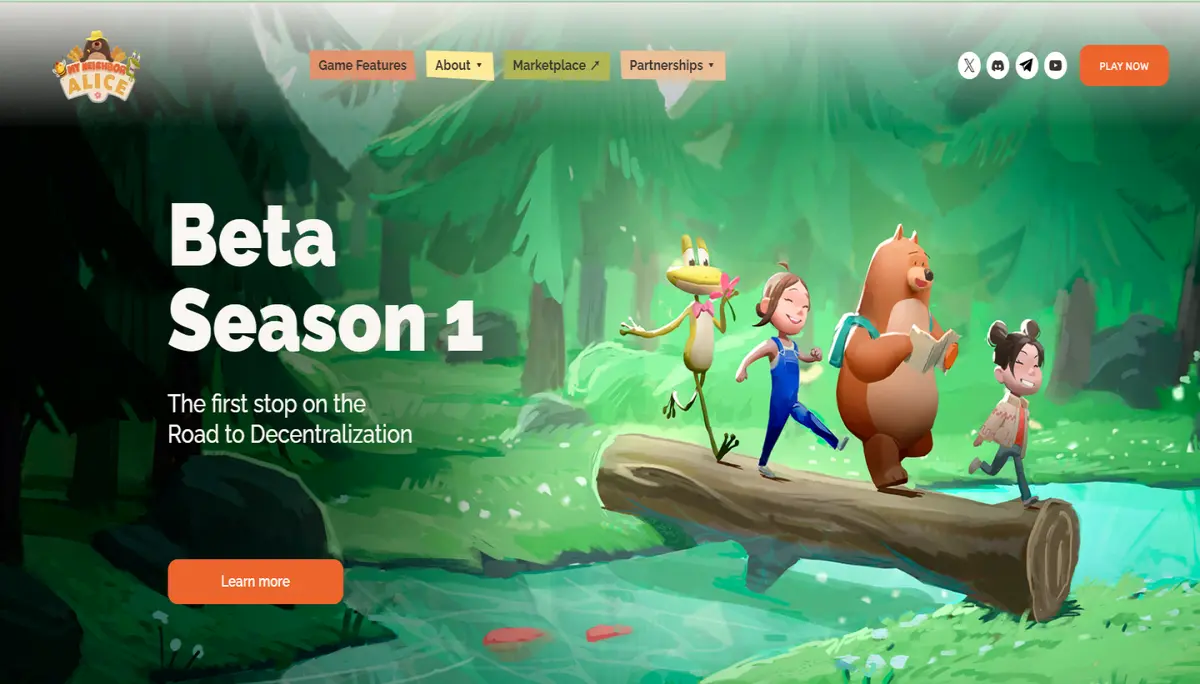
Today, we are diving into a skyrocketing project — the blockchain's version of "Animal Crossing" — My Neighbor Alice. The game has surged 50% in just one day, with its market capitalization reaching $160 million. This project has been in the works for quite some time, initially launched in Binance's launchpool in 2021. After three years, the game is now live, triggering the recent price surge. Due to its blockchain nature, all NFTs in the game have also seen a significant increase in value. Let's delve into the details of this game.
I. Background
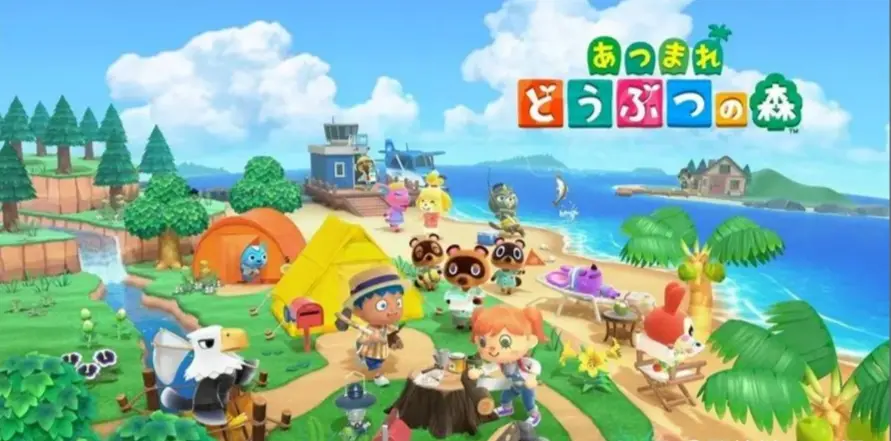
"My Neighbor Alice" is a multiplayer building game inspired by Nintendo's enormously popular "Animal Crossing" (as of the end of March 2023, "Animal Crossing" sold 41.59 million copies worldwide, generating $8 billion in sales). Similar to "Animal Crossing," players in "My Neighbor Alice" can design their avatars, build homes, decorate islands, and interact with friends and NPCs. The design team's vision is to create a "second space" for all players to relax and enjoy while being able to monetize their time and effort.
II. Introduction
"My Neighbor Alice" is set in the Lummelunda archipelago, where animals and humans share space, make friends, and work together. Anyone can join the community by purchasing a piece of land, engaging in various activities such as fishing, bug catching, and beekeeping. Players interact with their neighbors and help Alice with tasks to earn rewards, which can be exchanged for in-game items for their land. Players can alter the landscape, use in-game assets like NFTs in the form of vegetation, furniture, buildings, or animals, and participate in competitions and tasks to earn more rewards.
"My Neighbor Alice" aims to create a public application with an engaging storyline that attracts casual players, blockchain enthusiasts, and DeFi geeks. The game features an easy-to-use interface and multiple functionalities to explore. Users can decide how deeply they want to engage with decentralized features and DeFi.
III. Game Basics (Continued)
Currently, the game requires downloading a client, with minimum system requirements as follows:
- Operating System: Windows 7 or higher
- Processor: Intel i5-6400 / Ryzen 5 1600
- Memory: 8 GB RAM
- Graphics Card: Nvidia 1050 / AMD RX 560
- DirectX: Version 11
- Storage Space: 6 GB available space
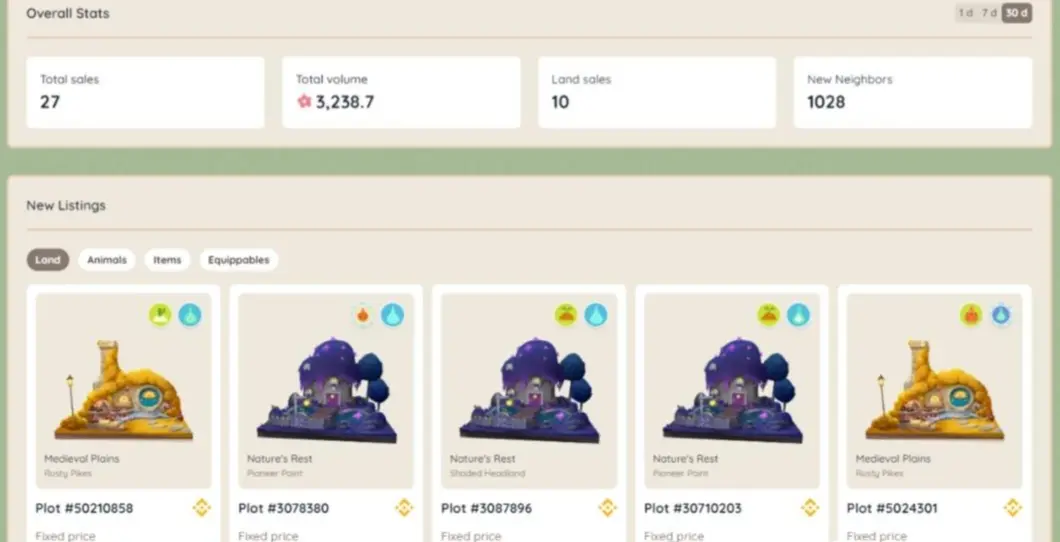
To log in, players need a plot of land, which can be purchased on the marketplace. The floor price for land is currently 250 ALICE (approximately $625, considering 1 ALICE = $2.5). If the land price is too high, players can also opt for renting.
IV. Core Gameplay
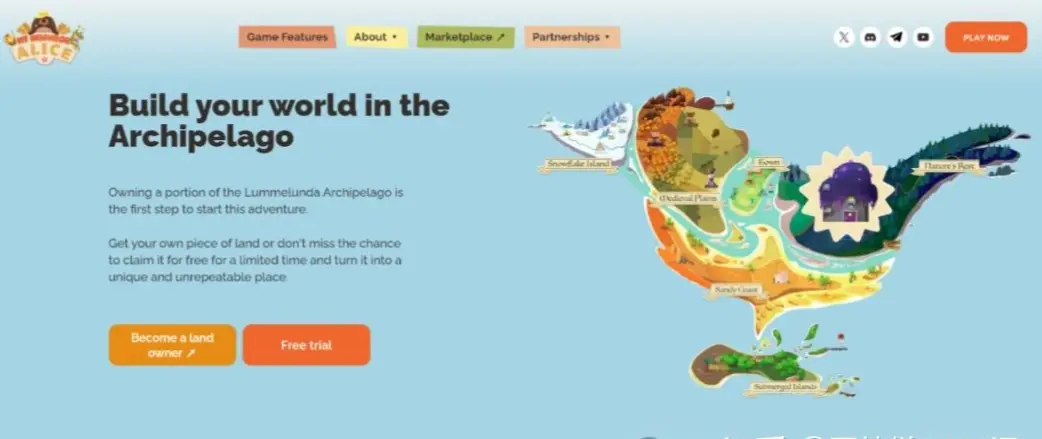
- Land: The Lummelunda archipelago comprises six uniquely featured islands, including Snowflake Island, Medieval Plains, Nature's Rest, Lummestad Town, Sandy Coast, and Submerged Islands. Players can purchase virtual land from Alice or in the market, where each plot of land is represented as an NFT token.
- Market: Players can buy and sell their land and other in-game items such as houses, fences, animals, and plants in the market.
- Avatars: Players can customize their avatars to interact with other players or NPCs.
- Game Assets: Including houses, animals, plants, decorations, etc., which can all be traded.
- Incentive Mechanism: Players complete various reciprocal activities or tasks, earning rewards for their efforts and participation.
- On-Chain Forum: A decentralized forum where users can discuss game activities, set voting schedules, make friends, etc.
V. Game Architecture
- Backend: Chromia The backend infrastructure of the game is built on the Chromia platform, which handles account operations, token transfers, relationship data, and user progress with a relational blockchain database integrated with Unity. Chromia's unique database capabilities allow for complex backend logic to be executed directly on the blockchain without excessive development time.
- Frontend: Unity The client side of the project is developed using Unity, with the procedural building system as a critical component. The system needs to be engaging and feel good, comparable to other building games in the market.
- Game Economy The economic infrastructure includes property/plot auctions, asset trading, token trading, etc.
- Integration: ERC20 and Steam ALICE tokens can be transferred between ERC20 and native Chromia tokens. This bridge is developed by Chromia. The Steam market and its sales are connected to Chromia.
- Governance DAO The project will not only create a game but also develop a decentralized autonomous organization named Community Council.
VI. Team
- Anna Norrevik: CEO With 7 years of experience in the gaming industry, including 5 years at Paradox Interactive, Norrevik has led teams on several expansions and was responsible for the successful game Crusader Kings 3, which earned a 91/100 rating on Metacritic. She holds a Bachelor's degree in Business and Economics from KTH Stockholm School of Economics and Computer Science.
- Lenny Pettersson: CMO With over 15 years of experience in the media and entertainment industry, Pettersson has worked at WarnerMedia's Turner as Senior Marketing Manager for Northern Europe and the Baltic states. He has extensive experience launching original IP for Cartoon Network and General Entertainment brands and holds a Master's degree in Business and Economics from Uppsala University.
VII. Token Economy
The project's native token, Alice, is issued on Ethereum, with a total supply of 100 million. Currently, 67,913,333 tokens are in circulation with a circulation rate of 68%. The current price is $2.5, down from an all-time high of $44.0747 (2021-03-15). Token distribution includes 21% for token sales, 16% for the ecosystem, 20% for fund reserves, 15% for the team, 8% for play-to-earn, 15% for the community, and 5% for user incentives. 
Conclusion
"My Neighbor Alice" mirrors the successful game models of Web2, like "Animal Crossing," bringing them to the blockchain. This strategy leverages an existing market and user base, making the play-to-earn concept compelling. Although social media followers are currently modest, and the cross-chain operations (with governance tokens on Ethereum and other NFTs on BSC) might affect user experience, it nonetheless holds significant potential. For interested players, it's advisable to play and see if it's enjoyable before diving deeper solely for the "play to earn" concept.