
Web3, also known as the decentralized web, is the next generation of the internet that aims to revolutionize the way we interact and transact online. Unlike its predecessor, Web2, which is characterized by centralized platforms and services, Web3 is built on blockchain technology and offers a decentralized and peer-to-peer network.
The concept of Web3 emerged in the early 2010s with the rise of cryptocurrencies like Bitcoin and Ethereum. These digital currencies introduced the idea of decentralized finance (DeFi) and smart contracts, which paved the way for the development of Web3 applications.
Web3 is important in the digital world because it promises to address some of the key issues with Web2, such as data privacy, security, and control over personal information. It also has the potential to disrupt various industries by enabling new business models and empowering individuals to have more control over their digital lives.

Web3 vs Web2: What's the Difference?
Web2, or the current version of the internet that we are familiar with, is characterized by centralized platforms and services. Companies like Google, Facebook, and Amazon dominate the online landscape and have control over user data and content. Users rely on these platforms for various services, such as search engines, social media, and e-commerce.
On the other hand, Web3 is built on blockchain technology, which enables decentralization and peer-to-peer interactions. Instead of relying on centralized intermediaries, Web3 applications are powered by smart contracts that execute transactions automatically based on predefined conditions. This eliminates the need for middlemen and reduces costs.
One of the key advantages of Web3 over Web2 is that it gives users more control over their data and digital identity. With Web2, users often have to surrender their personal information to access services or use social media platforms. In contrast, Web3 allows users to own their data and decide how it is shared and used.

Decentralized Web: The Rise of Blockchain Technology
Blockchain technology is the underlying technology behind Web3. It is a distributed ledger that records transactions across multiple computers, making it transparent, secure, and tamper-proof. Each transaction is stored in a block, which is linked to the previous block, creating a chain of blocks.
Decentralization is one of the key features of blockchain technology. Unlike traditional centralized systems where data is stored on a single server or controlled by a central authority, blockchain distributes data across multiple nodes in a network. This makes it difficult for any single entity to control or manipulate the data.
The advantages of decentralized web are numerous. Firstly, it enhances security by eliminating single points of failure and making it difficult for hackers to compromise the system. Secondly, it promotes transparency and trust as all transactions are recorded on the blockchain and can be verified by anyone. Lastly, it enables peer-to-peer transactions without the need for intermediaries, reducing costs and increasing efficiency.

Web3 Applications: A Glimpse into the Future
Web3 applications, also known as decentralized applications or dApps, are one of the most exciting aspects of Web3. These applications leverage blockchain technology to provide new services and business models that were not possible with Web2.
There are already several examples of Web3 applications that are gaining traction. For instance, decentralized finance (DeFi) platforms allow users to lend, borrow, and trade cryptocurrencies without relying on traditional financial institutions. Non-fungible tokens (NFTs) have also gained popularity as they enable the ownership and trading of unique digital assets like artwork and collectibles.
The potential of Web3 applications extends beyond finance and art. It has the potential to disrupt various industries such as supply chain management, healthcare, and voting systems. For example, blockchain can be used to track and verify the origin of products, ensuring transparency and preventing counterfeiting. In healthcare, blockchain can enable secure and interoperable sharing of patient data, improving the quality of care.
Web3 applications have several advantages over traditional applications. Firstly, they are more secure as they are built on a decentralized network that is resistant to hacking and tampering. Secondly, they offer greater privacy as users have control over their data and can choose what information to share. Lastly, they promote transparency and trust as all transactions are recorded on the blockchain and can be audited.
Web3 and Privacy: How Will it Affect Users?
Privacy is a major concern in the digital age, with many users feeling that their personal information is being exploited by companies for targeted advertising and other purposes. Web3 offers a solution to this problem by giving users more control over their data and enabling them to choose what information to share.
In Web3, privacy is achieved through the use of cryptographic techniques such as zero-knowledge proofs and homomorphic encryption. These techniques allow users to prove the validity of certain information without revealing the actual data. For example, a user can prove that they are over 18 years old without disclosing their exact date of birth.
The advantages of Web3 in terms of privacy are significant. Users no longer have to rely on centralized platforms to store their personal information, reducing the risk of data breaches and unauthorized access. They also have the ability to selectively share their data with trusted parties, ensuring that their information is used only for the intended purpose.
However, there are also potential risks and challenges in Web3 privacy. For example, there is a risk that users may inadvertently disclose sensitive information or fall victim to phishing attacks. There is also a challenge in striking the right balance between privacy and transparency, as some applications may require certain information to be shared for verification purposes.
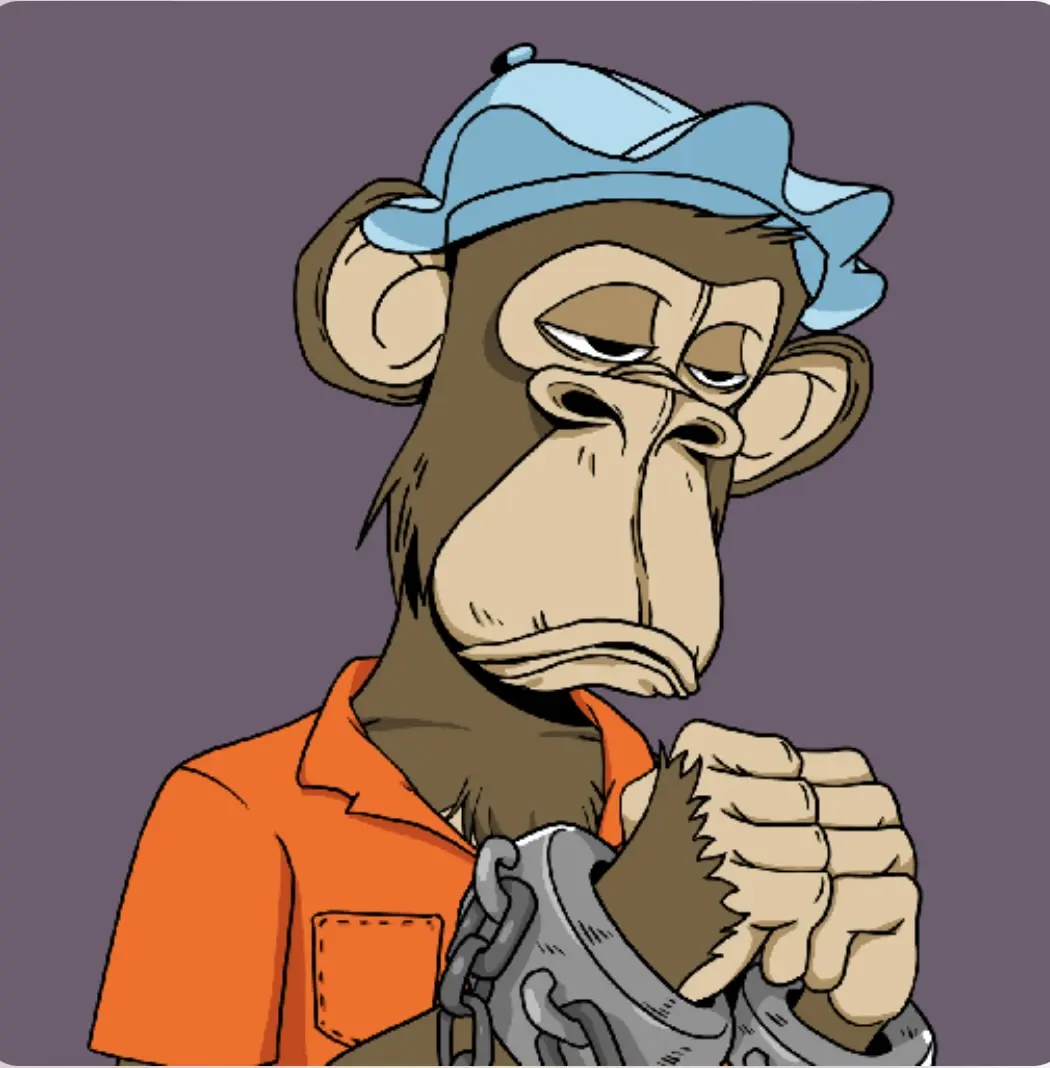
Web3 and Security: Is it Really Safer than Web2?
Security is another major concern in the digital world, with cyberattacks becoming increasingly sophisticated and prevalent. Web3 offers several advantages over Web2 in terms of security, thanks to its decentralized and transparent nature.
In Web3, security is enhanced through the use of cryptographic algorithms and consensus mechanisms. Cryptography ensures that data is encrypted and can only be accessed by authorized parties, while consensus mechanisms ensure that transactions are validated by multiple nodes in the network.
The advantages of Web3 in terms of security are significant. Firstly, the decentralized nature of blockchain makes it difficult for hackers to compromise the system as they would need to control a majority of the network's computing power. Secondly, the transparency of blockchain allows for easy auditing and verification of transactions, reducing the risk of fraud.
However, there are also potential risks and challenges in Web3 security. For example, there is a risk of smart contract vulnerabilities, where bugs or coding errors can be exploited by malicious actors. There is also a challenge in ensuring the security of private keys, which are used to access and control digital assets on the blockchain.
Web3 and Digital Identity: The End of Passwords?
Digital identity is another area where Web3 has the potential to revolutionize the way we interact online. In Web2, users often have to create multiple accounts with different platforms and remember multiple passwords. This can be cumbersome and increases the risk of password breaches.
Web3 offers a solution to this problem through the use of decentralized digital identity systems. These systems allow users to create a single digital identity that is stored on the blockchain and can be used across multiple platforms. Users have control over their digital identity and can choose what information to share with each platform.
The advantages of Web3 in terms of digital identity are significant. Firstly, it eliminates the need for multiple passwords as users can authenticate themselves using their digital identity stored on the blockchain. This reduces the risk of password breaches and makes it easier for users to manage their online accounts. Secondly, it gives users more control over their personal information as they can choose what information to share with each platform.
However, there are also potential risks and challenges in Web3 digital identity. For example, there is a risk of identity theft, where malicious actors may try to impersonate others by stealing their private keys or other identifying information. There is also a challenge in ensuring the interoperability of different digital identity systems, as each platform may have its own standards and protocols.
Web3 and Governance: The Power of Decentralization
Governance is another area where Web3 has the potential to disrupt traditional systems. In Web2, platforms and services are often governed by centralized entities that make decisions on behalf of users. This can lead to issues such as censorship, lack of transparency, and abuse of power.
Web3 offers a solution to this problem through the use of decentralized governance models. These models allow users to participate in the decision-making process and have a say in how platforms and services are governed. Decisions are made through consensus mechanisms, where users can vote on proposals and changes to the system.
The advantages of Web3 in terms of governance are significant. Firstly, it promotes transparency and accountability as all decisions are recorded on the blockchain and can be audited by anyone. Secondly, it gives users more control over their digital lives as they can actively participate in the governance of platforms and services. Lastly, it reduces the risk of censorship as decisions are made collectively by the community rather than a centralized authority.
However, there are also potential risks and challenges in Web3 governance. For example, there is a risk of governance attacks, where malicious actors may try to manipulate the decision-making process for their own benefit. There is also a challenge in ensuring the scalability and efficiency of decentralized governance models, as they may require significant computational resources and coordination.
Web3 and E-commerce: The Future of Online Shopping
E-commerce is one of the most promising areas for Web3. In Web2, online shopping is dominated by centralized platforms like Amazon and eBay, which act as intermediaries between buyers and sellers. These platforms often charge high fees and have control over user data and reviews.
Web3 offers a solution to this problem through the use of decentralized e-commerce platforms. These platforms enable peer-to-peer transactions without the need for intermediaries, reducing costs and increasing efficiency. They also give users more control over their data and reviews, ensuring transparency and trust.
The advantages of Web3 in terms of e-commerce are significant. Firstly, it reduces costs as there are no intermediaries involved in the transaction. Sellers can set their own prices and buyers can negotiate directly with sellers. Secondly, it promotes transparency and trust as all transactions are recorded on the blockchain and can be verified by anyone. Lastly, it gives users more control over their data and reviews as they can choose what information to share.
However, there are also potential risks and challenges in Web3 e-commerce. For example, there is a risk of fraud as transactions are conducted directly between buyers and sellers without the oversight of a centralized platform. There is also a challenge in ensuring the scalability and usability of decentralized e-commerce platforms, as they may require significant computational resources and user adoption.
Web3 and Social Media: A New Era of Online Interaction
Social media is another area where Web3 has the potential to revolutionize the way we interact online. In Web2, social media platforms like Facebook and Twitter have control over user data and content. Users often have to surrender their personal information to access these platforms.
Web3 offers a solution to this problem through the use of decentralized social media platforms. These platforms enable users to own their data and have control over what information to share. They also promote privacy and security by encrypting user data and using cryptographic techniques to verify the authenticity of content.
The advantages of Web3 in terms of social media are significant. Firstly, it gives users more control over their data and content as they can choose what information to share and who can access it. Secondly, it promotes privacy and security as user data is encrypted and verified using cryptographic techniques. Lastly, it reduces the risk of censorship as content is stored on a decentralized network that is resistant to manipulation.
However, there are also potential risks and challenges in Web3 social media. For example, there is a risk of misinformation and fake news as content is not moderated by a centralized authority. There is also a challenge in ensuring the scalability and usability of decentralized social media platforms, as they may require significant computational resources and user adoption.
The Future of Web3 and What it Means for Us
In conclusion, Web3 is the next generation of the internet that aims to revolutionize the way we interact and transact online. It offers several advantages over its predecessor, Web2, including greater privacy, security, control over personal information, and transparency.
Web3 has the potential to disrupt various industries by enabling new business models and empowering individuals to have more control over their digital lives. It has already seen the emergence of decentralized finance (DeFi), non-fungible tokens (NFTs), and other innovative applications.
However, there are also potential risks and challenges in Web3, including privacy concerns, security vulnerabilities, digital identity theft, governance attacks, fraud in e-commerce, and misinformation in social media. These challenges need to be addressed through technological advancements, regulatory frameworks, and user education.
Overall, Web3 holds great promise for the future of the internet. It has the potential to create a more inclusive, transparent, and equitable digital world where individuals have greater control over their data and interactions. As Web3 continues to evolve, it will be interesting to see how it shapes the way we live, work, and interact online.





