
As we approach the first anniversary of the 3 day Special Military Operation, we thought we’d take a closer look at some of the more notable aviation combat losses and incidents suffered by the RUF in Ukraine,
In our last article, we discussed how one of the issues with achieving Air Superiority over Ukraine came about due to ineffective use of airframes, an inability to hold and maintain air dominance over troop formations, and the loss of several key aircraft in the initial stages of the invasion leaving Russian forces either outright dead, or lacking any form of usable or persistent air coverage. This left them mostly combat ineffective at inopportune times. We’ll discuss that a little more in this piece, but first lets start with a quick paragraph from Chat GPT about what it thinks Russian capabilities should be like.
The Analysis:
Input: Talk to me about how easily the Russian Air Force could achieve and maintain air dominance with their current inventory.
Response: The Russian Air Force has a robust and modern inventory of aircraft and air defense systems that allows it to effectively achieve and maintain air dominance in a given theater of operations.
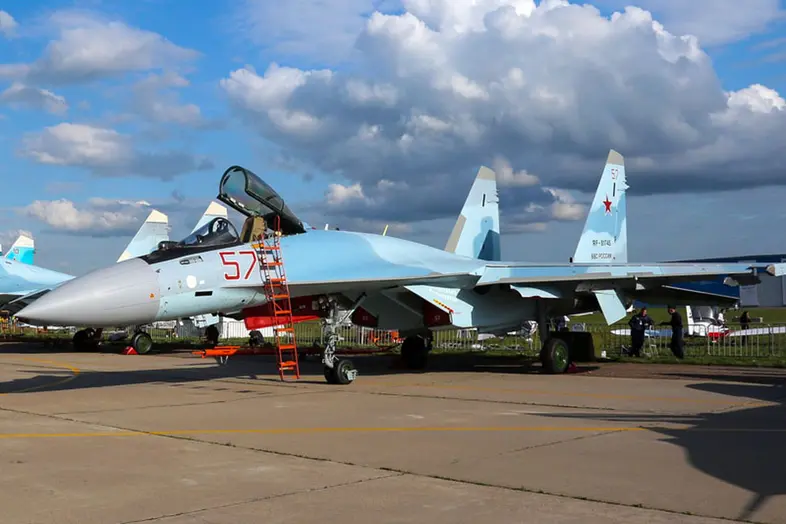
In terms of air superiority fighters, the Russian Air Force operates the Sukhoi Su-35 and the Su-57, which are highly advanced and capable platforms. The Su-35 is equipped with sophisticated avionics and a wide range of air-to-air and air-to-ground weapons, making it an effective air dominance fighter. The Su-57, which is still in development, is designed to be a fifth-generation stealth fighter that can evade detection by enemy radar and deliver precision strikes against ground targets.
In addition to its fighter aircraft, the Russian Air Force also operates a range of air defense systems, including the S-400 and the S-500, which are capable of detecting and engaging a wide range of airborne targets, including aircraft, cruise missiles, and ballistic missiles. These systems are highly effective in providing a layered air defense that can protect against air attacks.
It’s important to note that air dominance is not only dependent on the capabilities of aircraft and air defense systems, but also on factors such as training, tactics, and overall operational readiness. The Russian Air Force has a long history of developing and employing advanced tactics, and its pilots are highly trained to effectively employ their aircraft and air defense systems in a wide range of scenarios.
In conclusion, with its modern and capable inventory of aircraft and air defense systems, along with its well-trained pilots and advanced tactics, the Russian Air Force is well-positioned to effectively achieve and maintain air dominance in a given theater of operations.
This seems a little optimistic, all things being considered. However for our readers with a lessor understanding on how airpower is used effectively, we will give you a quick run down on what makes airpower important in modern conflict and what the technical definition of air superiority covers.
What is Air Superiority:
Air superiority is the military capability of a side to control the air space above a battlefield, including the air space above enemy territory. It means having the ability to carry out air operations without significant interference from enemy aircraft or air defense systems. Achieving air superiority is an important aspect of modern warfare, as it provides the ability to conduct a variety of air operations, including reconnaissance, close air support, and strategic bombing.
Having air superiority allows a military to control the airspace, providing protection for friendly forces on the ground, and enabling them to carry out their operations with less interference from enemy aircraft and air defense systems. It also enables air operations to be conducted with greater safety and security, as enemy aircraft and air defense systems are less likely to pose a threat.
For the US military, being able to obtain and hold on to this is a critical element in force projection doctrine, with the achievement of Air superiority one of the first goals the Americans aim to achieve in any conflict. Using dedicated “wild weasel” platforms, firing AGM-88 anti-radiation missiles, Integrated Air Defense Systems are the first to go, with their radar emitters, crew and missile batteries taken out, punching the initial hole in the network. This “hole” will be widened with stealth aircraft being used to “kick the door in” in the early stages of a campaign. This effectively means expensive and exotic stealth platforms (B-2, F-22, F-35 etc) are able to take out enemy aircraft and air defense systems, punching a hole through them that enables legacy 4th Gen platforms to start pouring through uncontested and be able to add to the fight with effect, eventually leading to the collapse of integrated air defense systems and outright air dominance. Whilst Wild Weaseling is exceptionally dangerous, even having the mission motto of “Ya gotta be shittin me” its a key part of being able to suppress and defeat the enemy systems that deny aviation assets uncontested use of the skies. It’s also quite interesting for you non aviation folk out there, as to Wild Weasel a system you have to fly within range of it, enticing it to shoot at you so that you can “shoot the shooter”, which typically means the use of High Speed Anti-Radiation missiles, although in the past cluster bomb systems have also seen significant use in this role.
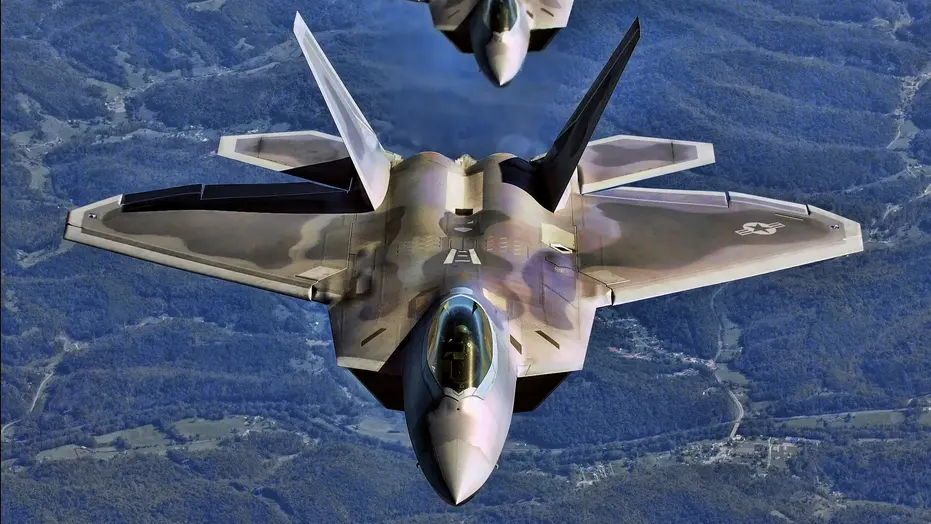
In comparison to American force projection, Russian airpower often tends to operate with different goals, having a lessor reliance on things like precision guided weapons and Airborne Warning and Control systems, relying on onboard systems and the proliferation of cheap, easily available “dumb” munitions like the FAB-250 and FAB-500 free fall bomb. This isn’t to say precision weapons don’t exist as the proliferation of of missiles like the KH-22, KH-29 and KH-31 is well documented, more that the Russians tend to use these munitions in different ways that the Americans and western militaries do.
So with that explained lets move on and look at a few of the more well known aviation actions over the last year of conflict.
The IL-76 losses:
To start with the loss mentioned in our previous article, we need to go back nearly a full year, to day one of the invasion. Russian Forces, with the intention of conducting a fast, mobile strike that would seize critical ukrainian infrastructure early in the conflict sent a large quantity of troops to Hostomel Airport, using Ilyushin IL-76 Transport aircraft. Well reported on social media by this stage, these aircraft carried heavily armed and well trained paratrooper special forces in large numbers. The original plan was twofold, if ground assets could seize the required infrastructure these aircraft could land and remove their troops. However if this could not be achieved, the paratroopers could parachute into the area, and initiate their action there. This is similar to US battle strategy in conflicts like Operation Just Cause in Panama, and the 1983 Grenada invasion, Operation Urgent Fury.
To achieve this goal, IL-76’s heavily laden with Spetnaz paratroopers were deployed to Kyiv, in the early hours of February 24th arriving into the vicinity just after midnight. With the expectation at this point still being little resistance and an easy road to victory, few problems were seen with this plan, however at around 1230am this started to change quickly.
It was over Vaskyliv that Ukrainian air force struck their first critical blow, using one of their SU-27 platforms to down the first transport plane after intercepting it over the city. With nowhere to go post intercept, the SU-27 was able to bring down the aircraft before any paratroopers could disembark, with the aircraft being lost with all souls on board in a high altitude explosion.
But this was just the beginning. At around 0330 on the same night, Ukrainian air defense systems fired another other IL-76 using an S300P long range SAM system. This repurposed, but effective Soviet designed system was again successful, downing the Russian aircraft before the paratroopers on board could eject the aircraft, again with the loss of everybody on board.
Depending on configuration and troop type, each IL-76 is estimated to carry between 130 or so troops with all equipment. These platforms are also able to carry heavy armor, however due to the mobility required in the early stages of the invasion, were believed to be carrying troops only during this mission. This meant due to these actions alone, over 250 of Russia’s best mobile combat troops were lost in the earliest stages of the invasion leaving Russia unable to seize the airfields and infrastructure that was needed to take over other critical infrastructure that was needed for invasion support. While its plausible that being paratroopers, a small percentage may have survived, the general consensus has been both airframes were complete losses. Whilst its believed this isn’t the entire invasion force for that particular area, it is a notably high loss of lives and subsequent combat capability. A crashing start? An explosive beginning?? You choose.
The Mriya — Truly a Dream:
The second notable airframe loss occurred on the ground, later on in the conflict and whilst not notable for its tactical limitations or strategic implications, it was most certainly felt worldwide, due to the loss of an aviation classic and a crucial component of the heavy airlift industry.
An aviation icon, the Antonov AN-225 Mriya regularly flew heavy lift missions that were incompatible with other heavy lift transport options. Flying cargo that ranged from mining equipment, to COVID PPE to rubber dog shit out of Hong Kong (free top gun reference), the books of the 225 remained full. After completing its last mission, which entailed carrying over 90 tonnes of COVID-19 PPE, from Tianjin China, to Denmark in Europe, the Mriya was transferred back to Hostomel Airport on around the 6th of February for a maintenance cycle, which also included a scheduled engine swap.
As invasion day on the 24th began to draw closer, NATO provided intelligence that the airfield appeared to be scheduled for attack, however it was unknown then at what point this would occur. With that, the AN-225 was scheduled for urgent transfer on the 24th of Feb, with the plan being to relocate it from Hostomel further into the interior of Ukraine with the intention being to keep it secure as Russian forces kicked off their attack. Unfortunately, this was not to be.
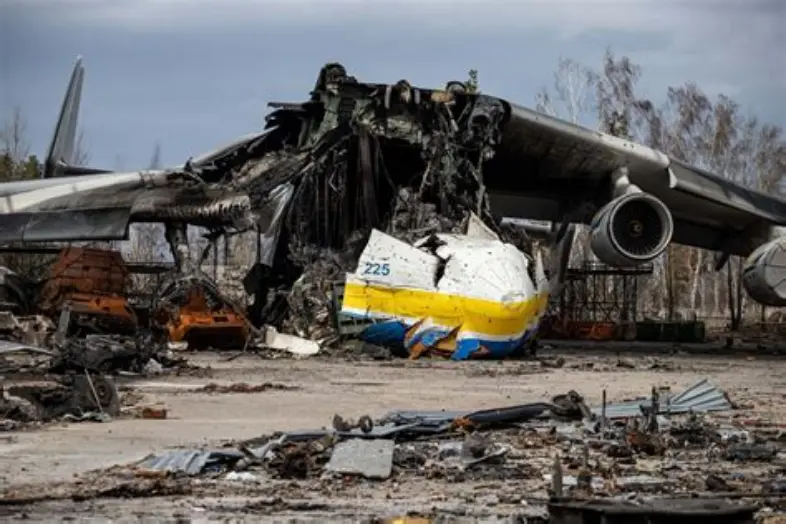
When Russian forces did arrive, one of the first places to be hit was in fact, Hostomel Airport and the Antonov Aircraft facility. Whilst being unable to confirm a time of destruction, the first rumors of destruction, complete with pictures on social media began circulating around the 25th or 26th of Feb. These pictures, showed extensive damage to the hanger storing the 225, however these initial pictures did show a complete nose and front end, leaving some hopefully that the damage was minor and repairable, leaving the Mriya still available for service.
On the 27th of Feb however, the Antonov Aircraft Beauru shattered the hopes of aviation fans worldwide, with a press release and included imagery confirming the 225 was for all intents and purposes effectively destroyed. Whilst the nose section was in fact mostly intact, the destruction of the hanger roof started a fire and burnt out the body and tail section leaving the airframe a total loss. Whilst there was recoverable parts that could be salvaged for a future rebuild or redesign, the air frame its self was deemed unworthy of repair. With this, talk turned to the spare 225 body, which remained in Ukraine but thus far remained unbuilt.
Despite an initial estimated repair price of around $3 billion, in may 2022, Ukraine President Volodmyr Zelenskyy confirmed that Ukraine would be rebuilding the second airframe, with the intention of bringing the Mriya back to life both for economic purposes but also as a tribute to the lost pilots of the ukrainian air force. With this, the estimate for completion was significantly revised, with figures being around $650 million to complete. However with the conflict still ongoing, this plan is yet to materialize and may take some time to come to life, but from our perspective its certainly a step in the right direction.
Rocket Man: Manpads, Patriot and S300 systems.
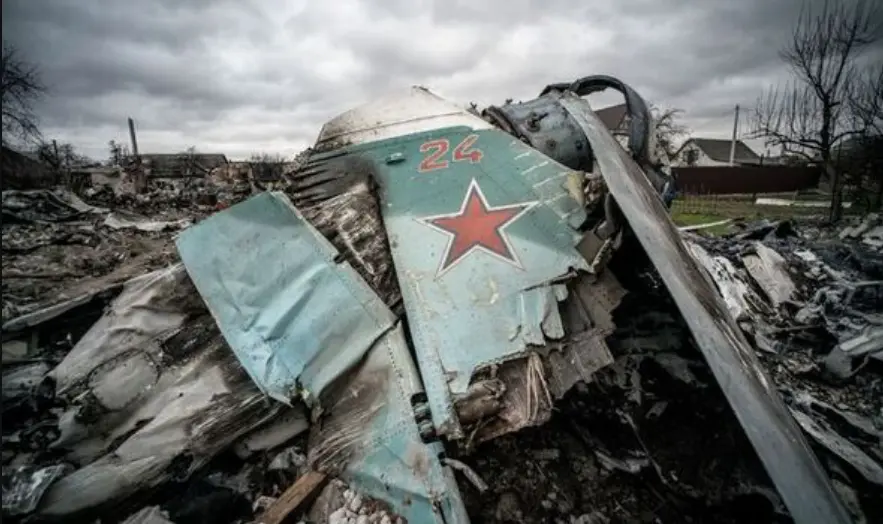
In drawing a conclusion to this article, we’ll finish by quickly discussing how for the RuAF the threat dynamic evolved and changed quite rapidly in the early stages of the conflict and how in some ways this forced their hand, requiring them to change the way they used their airframes and pilots, in an attempt to offset ever increasing losses that continued to become harder to replace.
At the start of the invasion, Ukraine was spread thin, with not enough troops or defensive systems to be able to significantly retaliate against the aggressors. Whilst not being entirely unarmed, Ukraine was forced to pick and choose where and how to assign assets, in order to make the most of the limited systems they started with.
This meant that in the early stages of the conflict, RuAF platforms were carrying out missions deep into contested territory, attempting to implement the “kick the door in” strategy we discussed earlier in the article. However with no Wild Weasel capability, a limited SU-57 fleet and a serious lack of stealthy 5th Gen platforms generally, this meant they had an over reliance on 4th gen platforms with the penalty of a large radar cross section, meaning easy detection. Therefore Russian forces were both unable to easily fly over contested air space and unable to take out enough air defense systems to give themselves even intermittent air superiority without taking losses that were heavy enough to be completely unsustainable. At nearly the 1 year mark, Russia is estimated to have lost at least 300 airframes of various types. Whilst the type tends to vary, losses have been particularly significant within the SU-25, SU-30 and SU-30 fixed wing fleets. In terms of rotary wing fleets the most notable losses have come from within the Mi-24 and Ka-52 fleet with double digit percentage losses through the entire fleet causing a significant loss of overall combat capability.
One group of Russian assets that has remained mostly unscathed during the entire conflict is Russia’s entire heavy bomber fleet, which is a mixture of TU-22 and TU-141 heavy bombers. These aircraft are capable of going supersonic while carrying a full missile load and have since soviet days, been used to threaten aircraft carrier battle groups. A supersonic inbound strike leaves very little warning time to react, meaning that the chances of being able to penetrate air defense coverage to mission kill a carrier increase significantly with the use of these platforms. They are also believed to be assigned a backup role in providing RU with a legitimate second strike or retaliatory attack using nuclear equipped KH-55 cruise missiles. With Russia being unable to replace these assets should they be lost, and given that loosing them would leave RU open to a legitimate nuclear first strike it is not surprising that these airframes have been protected to the extend that we’ve seen during this conflict.
However this doesn’t mean they are parked up and do not contribute to the overall sortie rate. With the type of weapons being used, combined with the general size of the Russian interior, we find that these platforms are still able to contribute. Rather than conducting deep unescorted strikes into ukrainian territory, these heavy bombers are loaded up and fly solely within russian territory, going up and launching while they are still within the interior, giving the missiles the needed kickstart assistance from launch platform with regards to altitude and airspeed, but not with the additional penalty of putting those valuable airframes at risk.
With this being said, its reasonable to expect that should Ukraine be given the opportunity to carry out strikes deep within russian territory (either by ATACMS or F-16) to take out these systems, that it would be a reasonably high priority despite the myriad of other assets currently available for destruction.
The early days of the invasion forced ukraines hand to some extent in how they were able to use the air defense systems they did possess, in an effective way, covering civilian assets and military assets generally, with man portable systems (manpads for short) used to fill in the gaps where needed. Unfortunately this reliance on Manpads came with some tactical limitations, namely a shorter organic detection time, and being “capped” to a particular altitude due to missile limitations.
However despite these limitations, UA forces still used their weapons effectively, using their stockpile of Igla 9M39 manpads to great effect in the early stages of the invasion with confirmed footage available online of many, many kills in the conflicts opening stages.
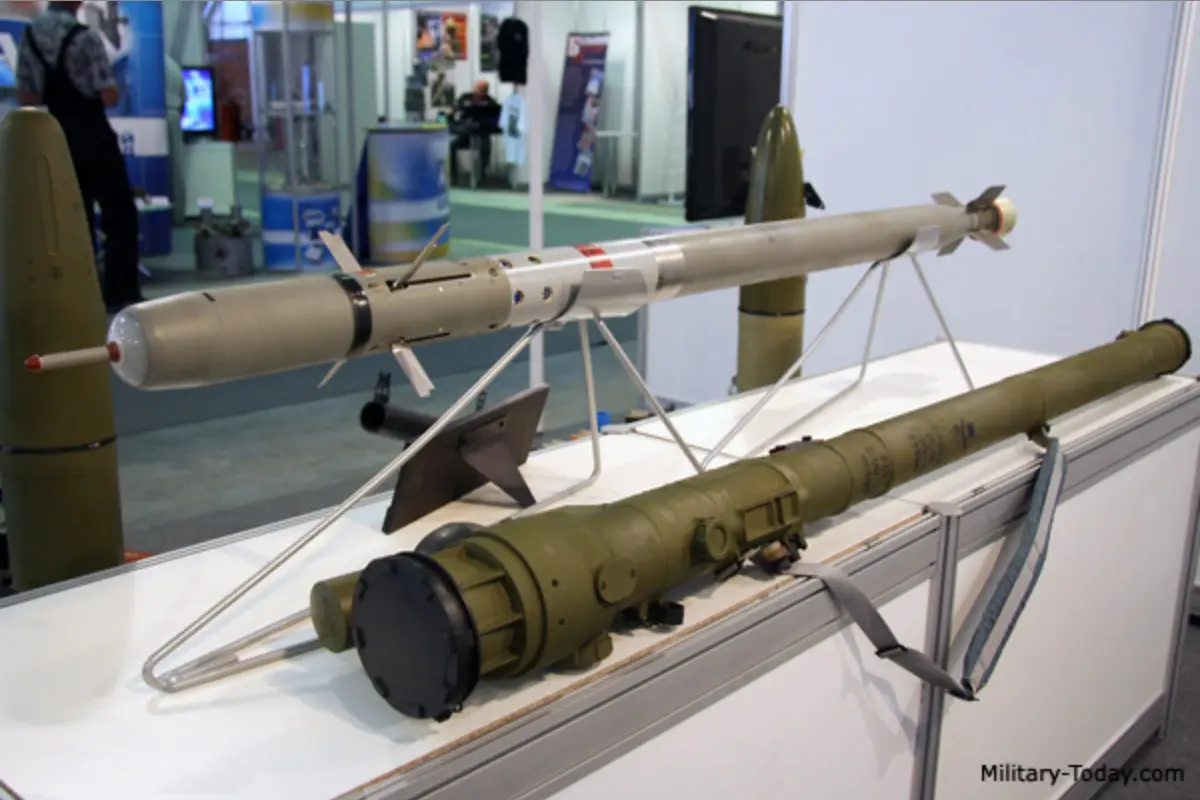
Knowing the limitations faced by these systems, beyond the initial HIMARS delivery, the delivery of functional and affordable air defense systems became UA priority number one. This goal was achieved mid 2022, with the delivery of British Star-streak missiles and the allocation of both Patriot batteries and Aegis Ashore systems. Whilst Patriot is a stand alone system, Aegis Ashore systems were able to tap into and fire existing stocks of the US designed and NATO used AIM-120 AMRAAM. This meant that by the time Russian Forces attempted to use cruise missile to terrorism civilians (a war crime by the way, just one of many at this point) and destroy the power grid that these actions became less effective, with both AMRAAM and Patriot regularly and consistently fired at both russian aircraft and cruise missiles.
Given the more Russia fired cruise missiles, the harder it became to launch mass strikes these weapons became more effective as they were used with them being placed in areas known to be transit areas for cruise missiles in flight, along with operators who were using them more regularly and with greater efficiency and capability due to this fact. Whilst the S300 system is pretty credible in terms of an implied threat, it lacks the ability to be used in a deeply integrated system unlike the American platforms which comes at a technical cost when being used as part of a coordinated air defense system. Doctrine as always, remains hugely important when trying to ascertain where and how a weapon system may be used in conflict.
As with most other platforms, UA has also seized a number of RU systems that have then been pushed back into the fight on the right side. The S300 is no different, with some systems captured and even one of the latest S400 systems being captured outside Kyiv providing an intelligence windfall for western air forces as it included multiple long range 48N6DM surface to air missiles within the system. The loss of this system may come back to haunt Russia, as it can be effectively tested with the stealthy F-35 and 4th Gen F-16CJ wild weasel platforms, developing tactics to both defeat and deflect the efficiency of the system in the early stages of a conflict.
So there we have it. A not so quick run down on activity within the European skies. Soon, we’ll be taking an in depth look at the HESA Shahed-136 and the role its played in Ukrainian skies, including the extension it gave to Russian force projection and the combat knowledge that it gave to its Iranian Designers and Engineers. We’ll also do a rehash on Cruise Missile numbers that were known to exist prior to the beginning of the 2022 invasion and attempt to figure out what percentage of the stockpile has been fired, what is expected to be left, and what we can expect to see in terms of future production of these missiles, given ongoing and extended Russian sanctions.
Until next time!






