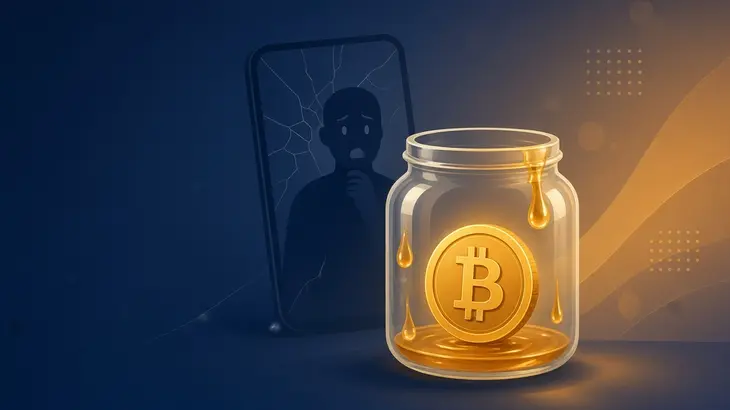
I still remember the exact moment I realized something was wrong. I'd bought a token that looked promising — decent chart, a Telegram group buzzing with "to the moon" messages, a website that honestly looked more professional than some real projects I'd researched. The price was climbing. I was up on paper. And then I tried to sell.
Nothing happened. The transaction just... failed. Over and over.
That's when it hit me: I wasn't looking at a bad investment. I was looking at a trap that had been built specifically to catch people like me.
What a Honeypot Actually Is (And Why the Name Fits)
A honeypot token works exactly like it sounds. It's sweet, it's tempting, and the moment you touch it, you're stuck. The scam is baked directly into the smart contract — the code is written so that buying is easy and selling is either impossible or deliberately crippled with massive hidden fees, sometimes 90% or more of your transaction just vanishes.
What makes these so effective is that everything else about the token looks completely normal. The chart shows buys happening, the liquidity pool looks real, and if you're not specifically checking the contract itself, there's no obvious red flag. The scam only reveals itself the moment you try to exit.
It's Not Just One Network — I've Seen This Everywhere
This is the part that genuinely worries me, because people tend to assume scams are a "that chain" problem. They're not.
On Ethereum and BSC, honeypots have been around for years, hidden inside contracts with manipulated sell functions or blacklist mechanisms that silently block wallets from selling once they've bought in.
On the TON network — the ecosystem that grew out of Telegram's original Gram token — I've watched this problem explode recently. Because TON is so tightly integrated with Telegram itself, scammers exploit that trust directly. You'll see tokens promoted inside Telegram channels and groups with thousands of members, professional-looking logos, and bots that respond instantly to questions, all designed to make the project feel legitimate before you've even opened a block explorer.
On Solana, the speed and low fees that make the network great for real projects also make it a playground for scammers who can launch and abandon tokens within hours.
The pattern is always the same underneath the surface: different chain, different branding, same trap.
The Signs I Now Check Every Single Time
After what happened to me, I stopped trusting charts and started trusting verification. Here's what I actually look at now before touching any new token:
Can other people sell? I check the transaction history on the block explorer. If I see dozens of buys but almost no successful sells, that's not a coincidence — that's the whole scam laid out in plain sight.
Is the contract verified and renounced? I look for a verified contract so I can actually read the code, or at least see that someone else already flagged it. If ownership hasn't been renounced, the creator can often change the rules whenever they want.
Who holds the liquidity? If one wallet controls most of the liquidity pool and it isn't locked, they can pull it out instantly and leave everyone else holding worthless tokens — this is the classic "rug pull" cousin of the honeypot.
Does the hype feel manufactured? Bot-like replies, coordinated comments, and urgency ("buy now before it's too late!") are classic pressure tactics. Real communities feel different — messier, slower, more organic.
Have I run it through a scanner? Tools built specifically to simulate a buy-and-sell on a token's contract exist for exactly this reason. Running a quick check takes two minutes and has saved me more than once since that first bad experience.
The Hardest Lesson Wasn't Technical
Honestly, the technical side of spotting these scams was the easy part to learn. The harder lesson was emotional — learning to slow down when something feels exciting. Scammers don't rely on people being careless; they rely on people being excited. FOMO is the actual vulnerability being exploited here, far more than any weakness in a smart contract.
Now, whenever I feel that little rush of "I need to buy this right now," I treat it as a signal to stop and verify, not a reason to move faster.
The One Thing I'd Tell My Past Self
I don't think honeypots and fake tokens are going away — if anything, they're getting more sophisticated as the tools to build them get easier to use. But I've learned that a few minutes of checking before buying is worth infinitely more than hours of regret after.
If you take one thing from my experience, let it be this: the projects that are real don't need you to rush.