
The public charging infrastructure network has been densely established across China, with Beijing, Shanghai and Tianjin as well as Anhui, Guangdong, Hubei, Hebei, Jiangsu, Shandong and Zhejiang provinces accounting for 75.3 percent of all such facilities.
The data showed a high level of concentration in terms of charging volume. The majority of the volume was recorded in Beijing and Shanghai, as well as in Fujian, Guangdong, Hunan, Hubei, Henan, Shandong, Shanxi, Shaanxi and Zhejiang provinces. The most frequent users were electric buses, followed by passenger EVs, electric sanitation vehicles and electric taxis. The charging volume from the stations amounted to some 359 million kWh in May 2019, an increase of 3 million kWh from a month earlier.
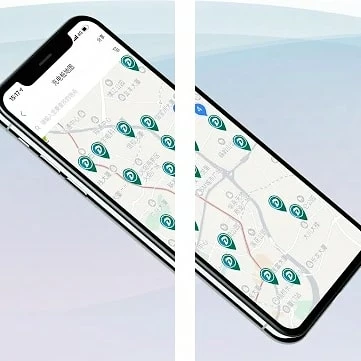
In addition, the market for the operation of public charging facilities also showed a high level of concentration. According to available statistics, Chinese companies that currently operate at least 10,000 EV charging stations numbered seven:
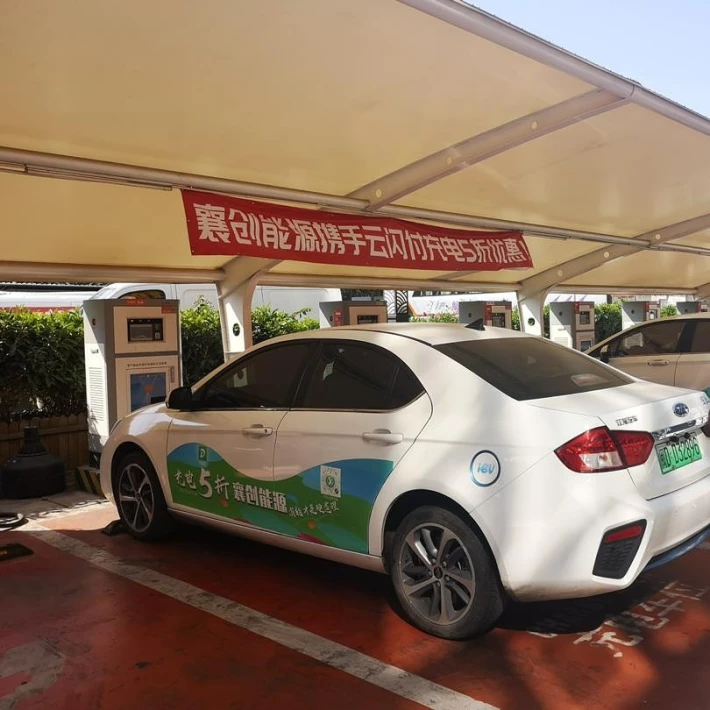
Qingdao Teld New Energy Co., Ltd with 131,000 units
State Grid Corporation of China with 88,000 units
Star Charge with 83,000 units
EV Power with 21,000 units
AnYo Charging with 17,000 units
Potevio with 14,000 units; and
Shenzhen Car Energy Network with 10,000 units.
The seven operators together accounted for 90.8 percent of all stations under operation across the country.
WorldTime saving DEC - BIG for future money Now!!!





