
Introduction — The New Gold Rush
Generative AI (think ChatGPT, image‑generation tools, and more) feels like pure magic: instant essays, art, even business ideas at your fingertips. But beneath the dazzle lies a growing tension — between innovation and sustainability, between promise and peril.
As more of our world leans into AI, the real question is: what are we sacrificing along the way?
The Surprising Energy Bill
-
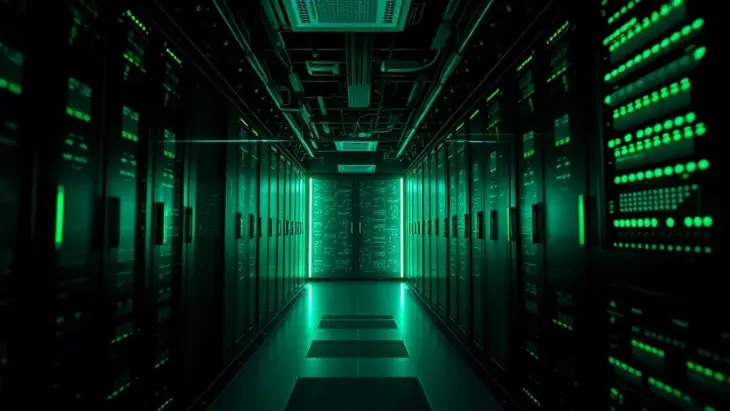
AI’s power demand is sky‑high. Training—and even using—these massive models drains enormous amounts of energy. Recent research shows that current trends could more than double global data‑center electricity demand.
-
Carbon footprint is real. Many data centers are fueled by fossil energy, and the environmental toll is mounting.
-
Why this matters: We’re living in a world where digital convenience has a literal environmental cost.
Quality Overload — Or Not
-
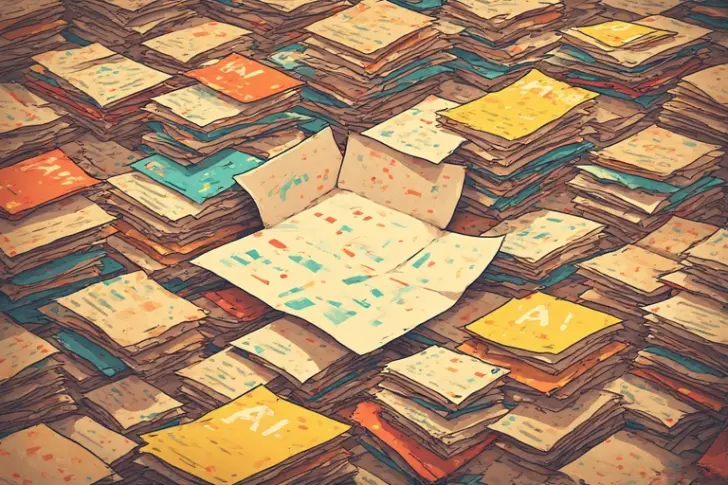
Mass-produced content = “AI slop.” As generative AI scales, not all of it is high-quality. The term AI slop describes filler content that prioritizes quantity over substance.
-
Diluted creativity. With so much AI-generated material flooding the internet, genuine human voices risk being drowned out.
-
Why this matters: When everyone can generate content, originality becomes a rare currency.
The “Dead Internet” Is Closer Than You Think
-
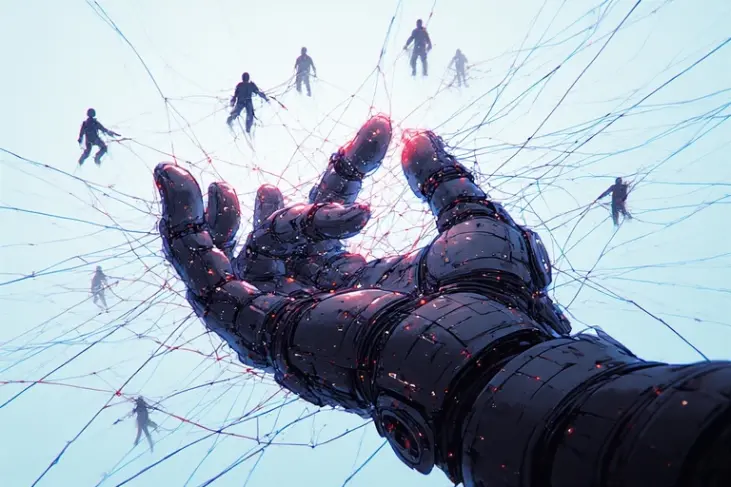
Too much AI = too little humanity. The “Dead Internet” theory argues that a growing share of online content is being generated by AI — not humans.
-
Echo chambers of algorithms. When so much content is synthesized, it's harder to find genuine perspectives or serendipitous ideas.
-
Why this matters: The Internet could lose its diversity — becoming an echo of machines talking to machines.
The Psychological Cost
-
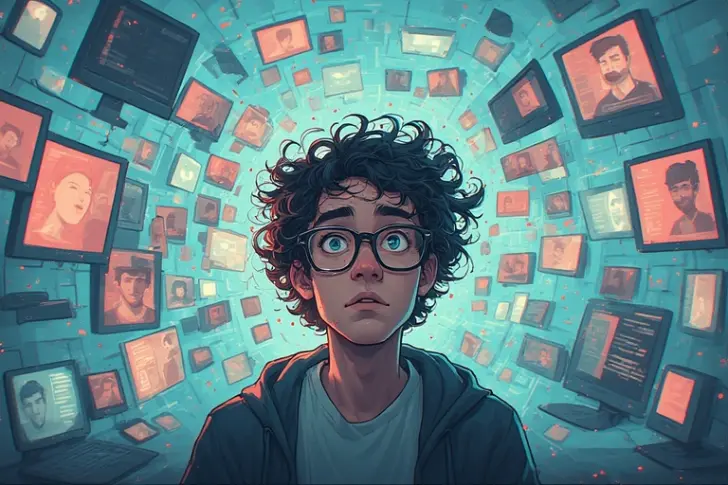
Weird social norms. Tools like ChatGPT are quietly altering how we talk, work, and even feel. People are already forming habits — or dependencies — around AI companions.
-
Bias and identity. Because AI models are trained on existing data, they may encode cultural biases — sometimes in subtle but damaging ways.
-
Why this matters: Our digital toolbox might be reshaping who we are — and not always for the better.
The Regulatory Tightrope
-
Guardrails are being built — slowly. As AI’s reach expands, governments are grappling with how to regulate fairness, privacy, and ownership.
-
Ethics vs innovation. Too much restriction, and creativity could be stifled. Too little, and the risks are huge.
-
Why this matters: How we set these rules now could determine whether AI becomes a tool for good — or a danger we're not ready for.
Thank you for your time. I appreciate it.





