
We constantly hear of social media influence, but increasingly recently the buzz has been about censorship, privacy breaches, and handing over final authority to only a few internet behemoths. Is there a different way? A better method is described by many as being through decentralized social media, facilitated through the magic of cryptocurrency and blockchain technology.
So, what’s decentralized social media and why does it matter to you?
What is Decentralized Social Media?
Decentralized social media is different from platforms like Facebook, Twitter, or Instagram because it tries to share control and ownership among its users instead of having it all in one place.
They do this in the following manners:
Blockchain Technology: Utilizing a distributed ledger, which serves to ensure data integrity and transparency.
Cryptocurrencies: Used commonly for rewarding content creation, moderation, and engagement.
Community Governance: Giving users a say in the rules and direction of the platform.
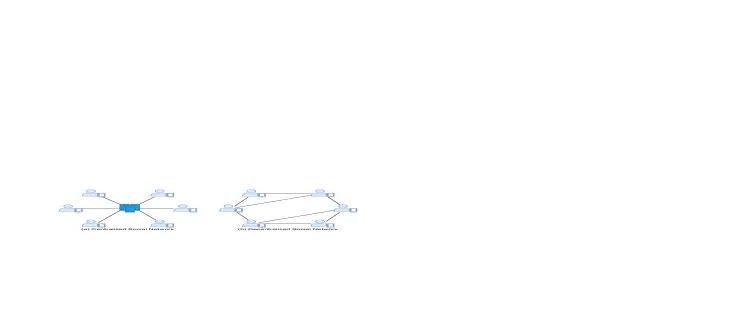
Why Decentralized Social Media Matters:
- Here's why the transition to decentralized social media could be a game-changer:
- Enhanced Privacy: You own your data, not the platform.
- Less Censorship: No one can arbitrarily shut up voices.
- More Fair Monetization: Creators are compensated directly for their work, eliminating the middleman.
- Greater Security: Blockchain technology yields a secure and tamper-evident system.
- User Ownership: Users are given a voice in platform development and governance.
Examples of Decentralized Social Media Platforms:
- While still in its infancy, some promising projects are at the forefront:
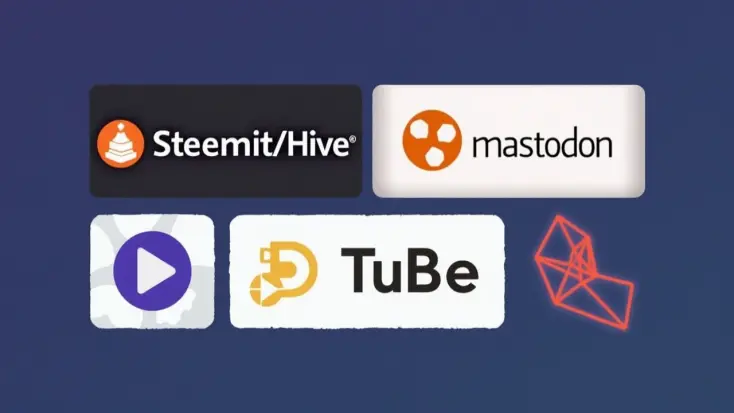
- Steemit/Hive: Rewards users with cryptocurrency for creating and curating content.
- Mastodon: Federated social network where servers are user-owned.
- Lens Protocol: Decentralized social graph that allows users to own their social relationships.
- DTube: Decentralized video platform built on blockchain.
The Future of Social Connection?
Decentralized social media is not yet a utopia. Scalability, user experience, and adoption are challenges to be addressed. But the potential benefits of empowering users, protecting privacy, and constructing true communities are clear.
As the cryptosphere continues to expand, decentralized social media platforms will probably offer a compelling alternative to the centralized monoliths that currently dominate our digital lives. Ready to take back control?
What are your thoughts about decentralized social media? Share your ideas and top sites in the comments below!
Thank you for your time. I appreciate it.





