
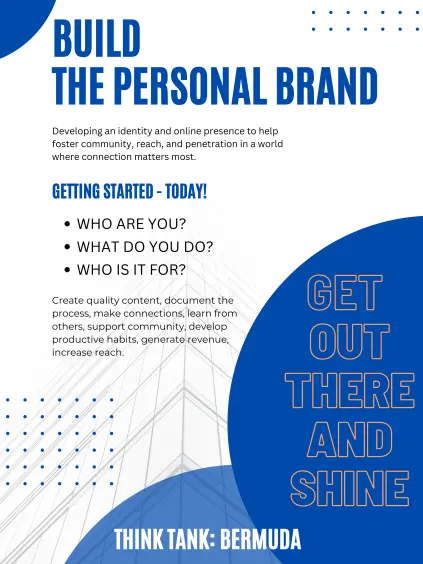
You Are What You Do!
Here’s the hook.
In today's interconnected world, a personal brand has become a powerful asset for individuals looking to establish their identity and make an impact. A personal brand encompasses the unique combination of your skills, values, personality, and expertise that distinguishes you from others. It is the perception people have of you, both online and offline. However, in the digital age, your online presence plays a crucial role in shaping your personal brand.
Building a personal brand involves crafting a compelling narrative around your expertise and passions, creating an authentic and consistent image, and leveraging digital platforms to showcase your work. It is about establishing a strong reputation, building trust, and connecting with your target audience. As a writer, your personal brand can be a powerful tool to showcase your writing skills, attract readers, and open up new opportunities in the writing industry.
So, what’s this all about?
The purpose of this article is to shed light on the significant advantages that come with building a personal brand as a writer. By developing a strong online presence and identity, you can amplify your voice, expand your reach, and establish yourself as an authority in your niche. A well-crafted personal brand can help you stand out in a crowded marketplace, attract the right audience, and create a loyal following.
Furthermore, building a personal brand provides writers with a platform to share their work, insights, and creative process. It allows you to connect with fellow writers, engage with readers, and build a community around your writing. By documenting your work process, making your content available, and actively engaging with your audience, you can foster a sense of authenticity and transparency that resonates with your readers.
The Basics
Consider what’s important.
To build a strong personal brand as a writer, it is essential to focus on several key components.
First, document your work process. This gives readers a glimpse into your creative journey, fostering transparency and building trust.
Second, make your content available through various channels and formats. This ensures that your writing reaches a wider audience and remains accessible.
Third, build community. This allows you to connect with like-minded individuals, fellow writers, and potential readers, creating a supportive network around your brand.
Fourth, engage your community through social media, newsletters, and interactive sessions. This helps you strengthen relationships, gain valuable feedback, and grow your brand organically.
By incorporating these components into your personal branding strategy, you can harness the power of an online presence and identity to elevate your writing career and achieve your goals.
Nothing you do matters if no one sees it.
Transparency is a cornerstone of building a personal brand as a writer. By openly sharing your work process with your audience, you establish a sense of authenticity and build trust. When readers can see the effort, dedication, and thought that goes into your writing, they develop a deeper appreciation for your work and are more likely to engage with it.
Transparency also allows you to showcase your expertise and professionalism. By demonstrating your commitment to quality and attention to detail, you position yourself as a credible authority in your field. When readers witness your transparent approach to writing, they are more inclined to view you as a reliable source of information and valuable insights.
Show them the art!
Sharing insights and behind-the-scenes glimpses of your writing process can be immensely beneficial to both you and your audience. By sharing your research methods, ideation techniques, and writing strategies, you provide aspiring writers with valuable guidance and inspiration. This generous sharing of knowledge not only helps others but also reinforces your position as a knowledgeable and supportive figure within the writing community.
Additionally, offering a behind-the-scenes look at your writing process humanizes your brand and creates a sense of relatability. Readers appreciate seeing the challenges, triumphs, and even the occasional setbacks that you encounter during your writing journey. This vulnerability and honesty make your writing more relatable and forge a deeper connection with your audience.
Getting Started
But how?
When it comes to documenting your work process, various tools and platforms can suit your style and preferences. One popular option is blogging, where you can create in-depth articles or series that delve into different aspects of your writing process. Blogging allows for detailed explanations, showcases your expertise, and facilitates engagement through comments and discussions.
Vlogging, or video blogging, is another effective medium for documenting your work process. Through video content, you can provide visual demonstrations, share screen recordings, or give virtual tours of your writing space. Vlogging adds a personal touch and allows your audience to see and hear your thought process, further enhancing the transparency and connection.
Social media platforms, such as Instagram, Twitter, or LinkedIn, can complement your documentation efforts. These platforms offer a more immediate and interactive way to share snippets of your writing process, provide quick tips, and engage with your audience through comments and direct messages. Choose the platforms that align with your target audience and allow you to showcase your work effectively.
Remember, the key is to choose the tools and platforms that align with your personal style and resonate with your audience. Experiment with different approaches and formats to find the ones that best showcase your work process and foster meaningful engagement with your readers.
“Something must be seen to be believed.”
To effectively build your personal brand as a writer, it is crucial to make your content available across multiple distribution channels. Consider establishing a personal website as a central hub for your writing. A website provides a professional platform where you can showcase your portfolio, share your thoughts through blog posts, and provide information about your services or publications.
In addition to a personal website, leverage popular blogging platforms such as Medium or WordPress to reach a broader audience. These platforms offer built-in communities and can help you gain exposure to readers who are actively seeking new content. By consistently publishing high-quality articles or essays on these platforms, you can establish yourself as an authoritative voice in your niche.
There are more options available, and you can use as many as you want, so long as you have time to build and maintain those communities. I intend to post here, at Publish0x, but also Hive, Read.cash, Simily, Substack, Steem, and Vocal.
Furthermore, tap into the power of social media to share your writing and engage with your audience. Platforms like Twitter (X), Instagram, LinkedIn, or Facebook can serve as valuable channels to share snippets of your writing, promote your articles or blog posts, and connect with fellow writers, influencers, and potential readers. Choose the platforms that align with your target audience and invest time in building an active presence on them.
What More?
There are many ways to create.
Diversifying the formats in which you present your content can significantly enhance your personal brand and appeal to a wider audience. Consider writing engaging blog posts on topics relevant to your niche. Blog posts allow you to share your thoughts, insights, and expertise while providing valuable information to your readers. These posts can be short and concise or longer-form pieces, depending on the subject matter.
Another format to explore is writing articles for online publications or magazines in your field. Contributing articles to reputable platforms can help you reach a broader audience, build credibility, and establish yourself as an expert in your domain.
Expand your content offerings beyond written text by exploring other mediums. Consider creating ebooks or digital guides that delve deeper into specific topics or provide comprehensive resources for your audience. Ebooks can be distributed through your website or platforms like Amazon Kindle, allowing you to monetize your expertise and expand your reach.
Additionally, consider venturing into the realm of audio or video content. Start a podcast where you discuss writing-related topics, interview industry experts, or share your own stories and experiences. Alternatively, create video content where you read excerpts from your work, provide writing tips, or engage in discussions. These formats add a dynamic element to your personal brand and cater to different audience preferences.
Become a marketer. Know your worth, and sell out at the best price.
To maximize the visibility of your content and attract a larger audience, it's important to optimize your writing for search engines. Implementing search engine optimization (SEO) techniques can help your content rank higher in search engine results.
Start by conducting keyword research related to your niche and incorporate those keywords naturally into your writing. This helps search engines understand the relevance of your content to specific queries. Additionally, craft compelling meta titles and descriptions that capture readers' attention and accurately represent the content of your articles or blog posts.
Make use of internal and external links within your content to provide additional value and establish credibility. Linking to authoritative sources and relevant articles or blog posts within your own website can improve the user experience and signal to search engines that your content is valuable.
Lastly, ensure your website or blog is mobile-friendly and optimized for fast loading speeds. Mobile optimization is crucial as more people access content through their smartphones or tablets. A fast and mobile-responsive website enhances the user experience and improves your chances of ranking higher in search results.
By implementing these SEO strategies, you can increase the discoverability of your content, attract organic traffic, and expand your personal brand's reach.
Connect With Others
You are not alone.
Building a community around your personal brand as a writer begins with identifying and understanding your target audience. Defining your target audience allows you to tailor your content, messaging, and engagement strategies to resonate with the right people. By understanding their needs, interests, and preferences, you can create content that provides value and fosters meaningful connections.
Identifying your target audience enables you to focus your efforts on reaching those who are most likely to appreciate and engage with your writing. Whether you write fiction, self-help, or niche-specific content, understanding your audience's demographics, interests, and online behaviors helps you craft content that speaks directly to their needs. This targeted approach increases the likelihood of attracting loyal readers who will actively support and share your work.
But where do you find people? Sometimes they find you.
Social media platforms offer an invaluable opportunity to build and engage with a community of like-minded individuals, industry professionals, and potential readers. These platforms facilitate direct and immediate communication, allowing you to share your writing, thoughts, and insights with a wide audience.
By consistently posting engaging content, participating in conversations, and building relationships, you can cultivate a community around your personal brand. Engage with your followers by responding to comments, asking questions, and initiating discussions. Show genuine interest in their opinions and experiences, and foster a sense of camaraderie within your online community.
Utilize relevant hashtags, participate in writing-related chats or discussions, and follow and engage with influencers or thought leaders in your field. This active involvement helps you expand your reach, gain exposure to new audiences, and establish connections with influential individuals who can amplify your personal brand.
If you want a following, you need to be a leader.
Building an email list and creating a newsletter is a powerful way to nurture and engage with your community on a more personal level. Newsletters allow you to deliver exclusive content, updates, and insights directly to your subscribers' inboxes. It provides a dedicated space where you can deepen the relationship with your audience and offer them value beyond what you share on social media or your website.
Encourage readers to subscribe to your newsletter by offering incentives such as free resources, writing tips, or early access to your latest work. When crafting your newsletter, prioritize providing valuable content that resonates with your audience. This can include behind-the-scenes peeks, writing advice, book recommendations, or exclusive discounts.
A newsletter not only helps you foster a sense of exclusivity and loyalty among your subscribers but also serves as a direct communication channel. Use it to share updates about your writing projects, upcoming events, or collaborations. Encourage readers to engage with you by asking for feedback, hosting Q&A sessions, or conducting subscriber-only giveaways. This personal connection helps solidify your community and transforms passive readers into active participants.
Learn to Work Together, With Others, With the Community, With Yourself
It is all about crossovers.
Collaborations and networking are invaluable for expanding your personal brand and reaching new audiences. Partnering with other writers, influencers, or experts in your niche allows you to tap into their audience and gain exposure to a wider range of readers.
Consider collaborating on joint writing projects, co-hosting webinars or workshops, or participating in podcast interviews. These collaborative efforts introduce you to new audiences who may have similar interests or are seeking fresh perspectives. By combining your expertise, creativity, and audience reach, you can create synergistic collaborations that benefit everyone involved.
Networking with fellow writers, industry professionals, and influencers is also crucial. Attend writing conferences, join online writing communities, and actively engage in conversations to expand your network. Building genuine relationships with others in your field opens doors for guest writing opportunities, speaking engagements, and cross-promotion, further strengthening your personal brand and community.
By actively building a community through social media engagement, newsletters, and collaborations, you can create a supportive and vibrant network around your personal brand as a writer. This community becomes a valuable asset, providing you with feedback, support, and opportunities for growth and collaboration.
Now, remember, people are not just likes. They need to be fed and watered. Get out there, give them what they want, and turn acquaintances into life-long subscribers.
Maintaining an active and authentic presence on social media platforms is crucial for engaging with your community as a writer. Social media provides a direct line of communication between you and your audience, allowing you to build relationships, gather feedback, and foster a sense of community.
Consistency is key when it comes to social media engagement. Regularly post relevant and engaging content that aligns with your personal brand and resonates with your audience. This can include writing tips, behind-the-scenes glimpses into your creative process, book recommendations, or thought-provoking questions. By consistently showing up, you establish trust and reliability, which encourages your community to actively engage with your content.
Authenticity is equally important in engaging with your community. Be genuine in your interactions, sharing your thoughts, experiences, and opinions openly. Respond to comments and messages with sincerity and appreciation. Your audience will appreciate the personal connection and feel valued, fostering a stronger sense of community around your personal brand.
What do you have to do exactly?
Engaging with your community involves actively responding to comments, messages, and feedback from your audience. When readers take the time to leave comments or send messages, it's essential to acknowledge their efforts and respond thoughtfully.
Responding to comments shows that you value and appreciate your audience's engagement. Take the time to reply to comments on your social media posts, blog articles, or other platforms where you share your writing. Whether it's a simple thank you, an answer to a question, or a deeper conversation, your responses demonstrate that you actively listen and care about their thoughts.
Similarly, make it a priority to respond to direct messages and emails. These private interactions often indicate a higher level of engagement and a desire for a more personal connection. By promptly and genuinely responding to messages, you foster trust, build relationships, and create a supportive community around your writing.
Actively seek and welcome feedback from your audience. Encourage constructive criticism and suggestions, and show gratitude for their input. This feedback helps you improve your writing and shows your community that their opinions matter.
But you don’t have to make it hard on yourself. There are easy ways to engage with people.
Hosting live question-and-answer (Q&A) sessions or live streams is an excellent way to engage with your community in real-time, creating a space for direct interaction and connection. These sessions allow you to address questions, share insights, and provide a deeper level of engagement with your audience.
Announce the date and time of your live session in advance, promoting it across your social media platforms and through your newsletter. Encourage your audience to submit questions beforehand or ask them in real-time during the session. This helps generate excitement and anticipation for the event.
During the live session, be prepared to answer questions, share advice, and provide insights into your writing process or industry-related topics. Engage with your audience by addressing them by name, acknowledging their comments, and responding to their questions live. This personal touch creates a sense of connection and makes participants feel valued.
Consider using platforms like Instagram Live, Facebook Live, or YouTube Live, which offer interactive features such as live chat, allowing your audience to engage with you and with each other during the session. Save and repurpose these live sessions afterward, making them accessible for those who couldn't attend in real-time.
Hosting Q&A sessions or live streams not only provides valuable information and insights to your community but also strengthens the bond between you and your audience. It creates a space for open dialogue, fosters a sense of community, and showcases your expertise as a writer.
Engaging with your community is a continuous process that requires active participation, authenticity, and a genuine interest in connecting with your audience. By maintaining an active social media presence, responding to comments and messages, and hosting live sessions, you can cultivate a vibrant community around your personal brand, fostering loyal readers and advocates for your work.
Stay on Target
Don’t let it be a burden. Your personal brand helps you become better. Let it be your discipline.
Setting clear goals and deadlines is essential for staying focused and productive as a writer. Goals provide a sense of direction and purpose, while deadlines create a sense of urgency and help you prioritize your tasks.
Start by setting both short-term and long-term goals for your writing. Short-term goals could include completing a specific chapter, finishing a blog post, or submitting an article to a publication. Long-term goals may involve completing a novel, launching a website, or reaching a certain number of subscribers.
Breaking down these goals into smaller, manageable tasks allows you to track your progress and maintain focus. Set deadlines for each task to create a sense of accountability and ensure that you're making steady progress toward your goals.
Remember to make your goals specific, measurable, achievable, relevant, and time-bound (SMART). This framework helps you set realistic and actionable goals that are within your reach. Regularly review and adjust your goals as needed to stay aligned with your evolving aspirations.
I’m a big proponent of Personal Knowledge Management (PKM), and strongly believe that organizing your life and thoughts is key to maximizing work, life, and legacy. It is a topic of its own, so I suggest you look into on your own, or follow me for my own exploration of the methods and applications that can give structure to your creative process and daily life.
Don’t get lost in the present. Always look ahead.
Consistency is key when it comes to engaging with your audience and building a strong personal brand as a writer. Developing a content planning and scheduling strategy helps you stay on track and meet your audience's expectations.
Start by creating an editorial calendar to plan your content in advance. This calendar can include blog posts, social media updates, newsletter releases, or any other content you produce. Identify relevant topics, themes, or series that resonate with your audience and align with your writing goals.
Consider the frequency of your content releases and set a realistic schedule that you can consistently maintain. Whether it's publishing a blog post every week, posting on social media daily, or sending a monthly newsletter, consistency builds trust and keeps your audience engaged.
Utilize scheduling tools or platforms that allow you to schedule your content in advance. This way, you can create and schedule multiple pieces of content in one sitting, saving time and ensuring a steady flow of content even during busy periods.
Remember to leave room for flexibility and spontaneity in your content planning. While scheduling provides structure, it's also important to be adaptable and responsive to current events or emerging trends that may require timely content.
If this seems like a lot, make use of tools and support. Don’t do the heavy lifting, where you can make it a light load.
In today's digital age, numerous productivity tools and apps are available to help writers stay organized, manage tasks, and streamline their workflow. Here are some examples:
Project management tools: Tools like Trello, Asana, or Monday.com help you organize and track your writing projects, assign tasks, set deadlines, and collaborate with others if needed.
Writing and editing tools: Writing software such as Scrivener, Google Docs, or Microsoft Word offer features like distraction-free writing environments, collaborative editing, and grammar checking to help you streamline your writing process.
Note-taking and idea management tools: Apps like Evernote, OneNote, or Notion allow you to capture and organize ideas, research materials, and inspiration in a centralized location, making it easy to access and reference them later.
Time management and Pomodoro technique apps: Tools like Toggl, Focus@Will, or Forest help you track your time, set timers for focused work sessions, and implement the Pomodoro technique to enhance productivity and manage distractions.
Social media scheduling tools: Platforms such as Hootsuite, Buffer, or Sprout Social enable you to schedule and automate your social media posts, saving time and ensuring consistent engagement with your audience.
Experiment with different productivity tools and find the ones that align with your workflow and preferences. Remember, the goal is to leverage technology to support your writing process and help you stay organized and focused.
By setting goals and deadlines, planning and scheduling your content, and utilizing productivity tools, you can stay focused, organized, and productive as a writer. These strategies enable you to manage your time effectively, meet your audience's expectations, and consistently deliver quality content.
Wrapping it Up
Now, let’s bring it together.
Throughout this article, we have explored the importance of building a personal brand as a writer and the various strategies to achieve this goal. Nothing too deep, but it gives a solid overview of the needs, expectations, and certain paths to get started. We discussed engaging with your community through an active social media presence, responding to comments and messages, and hosting Q&A sessions or live streams. Additionally, we explored staying focused and organized by setting goals and deadlines, planning and scheduling content, and utilizing productivity tools.
Keep it all in mind.
Building a personal brand as a writer offers numerous benefits. It allows you to connect with your audience on a deeper level, fostering a supportive community around your work. By engaging with your community, you build relationships, gain valuable feedback, and create a loyal readership.
A strong personal brand also opens doors to new opportunities. It can attract collaborations, partnerships, and potential clients or publishers who are interested in your unique voice and perspective. In a crowded marketplace, a well-defined personal brand sets you apart and helps you stand out from the competition.
Moreover, a personal brand provides a platform to showcase your expertise and build credibility in your niche. As you consistently deliver valuable content and engage with your audience, you establish yourself as a trusted authority, leading to increased recognition and opportunities for growth.
It’s hard, I know, but you have to take the first step. Even if you stumble, you are ahead of everyone that is yet to start.
Now that you have gained insights into building a personal brand as a writer, take action. Remember, personal branding is a continuous journey that requires consistency and genuine engagement. Start by defining your unique voice, values, and goals as a writer. Identify your target audience and the platforms where they are most active.
Begin engaging with your community by creating an active social media presence. Respond to comments and messages, and consider hosting Q&A sessions or live streams to connect with your audience in real-time. Additionally, prioritize staying focused and organized by setting goals, planning and scheduling your content, and utilizing productivity tools.
Embark on this journey with enthusiasm and authenticity. Be patient, as building a personal brand takes time and effort. Remember that your personal brand is an extension of your writing, reflecting who you are as a writer and what you have to offer.
So, start today. Take the first step toward building your personal brand and connecting with your audience in a meaningful way. Your writing journey will be enriched, and your impact as a writer will grow as you build a thriving and engaged community around your work.





