
Some advice to capture this rare event
It doesn't matter what kind of equipment you have: this evening, at the sunset, try it! This event won't be visible for 8 years, so we have to take advantage of it. In the previous article (click HERE) i explained what this kind of events can happen, but now it's time to talk about HOW we can take photos of it.
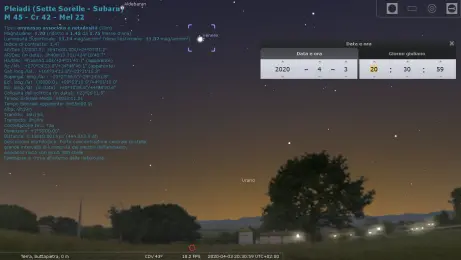
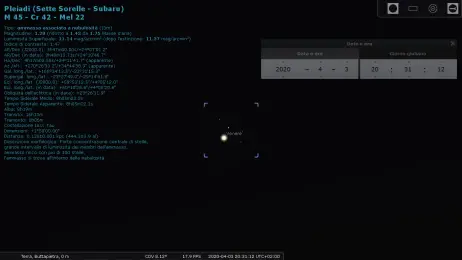
There are some procedures we need to be able to take a good photo, independently by the instrument you use. Let's see 'em:
- Tripod: absolutely necessary! A motorized equatorial mount? THE BEST!!!
- Use manual settings: zoom, focus and anything else you can set up manually, especially if you're using a smartphone
- How much focal lenght: 100-150 mm are sufficient. If you can photograph to longer focal (250-300mm) is good
- Infinite focus: we are photographing the sky, so remember you have to set the zoom on something that is far enough (very important!): zoom as most as you can on Venus and set the focus more precisely as you can. Remember: DISABLE AUTO FOCUS!!! Always manual settings!
- Exposition: once you set a good focus on Venus, let's see ISO. Remember, the event will happen at sunset, so we can use start using lower ISO (50-100). Remember: higher ISO, more noise! Try different photos, setting up different ISO and times
- The 500 rule: how much time do i have to keep open my diaphragm? 500/focal lenght is the maximum time you can shot, without having Earth motion. Example, if I have a 100mm focal lenght, you can have 500/100= 5 seconds maximum aperture time.
These are some advice you can follow to shot this event. If you own a DLRS camera is good, but if you don't, you can use even your smartphone, always remembering setting it manually.
Good luck.
See you next time






