
Cryptocurrencies have changed how we think about money and payments. Now Bitcoin (BTC) is a pioneer of digital currency. However, Bitcoin gained popularity. But it has a limitation of Scalability and transaction speed. That's why the creation of Bitcoin Cash (BCH) in 2017. But both cryptocurrencies has a common history and same principles. They have divided significantly in terms of technology and philosophy. This article explores the key differences between Bitcoin Cash vs. Bitcoin. Let's see what is the difference between BCH and BTC.
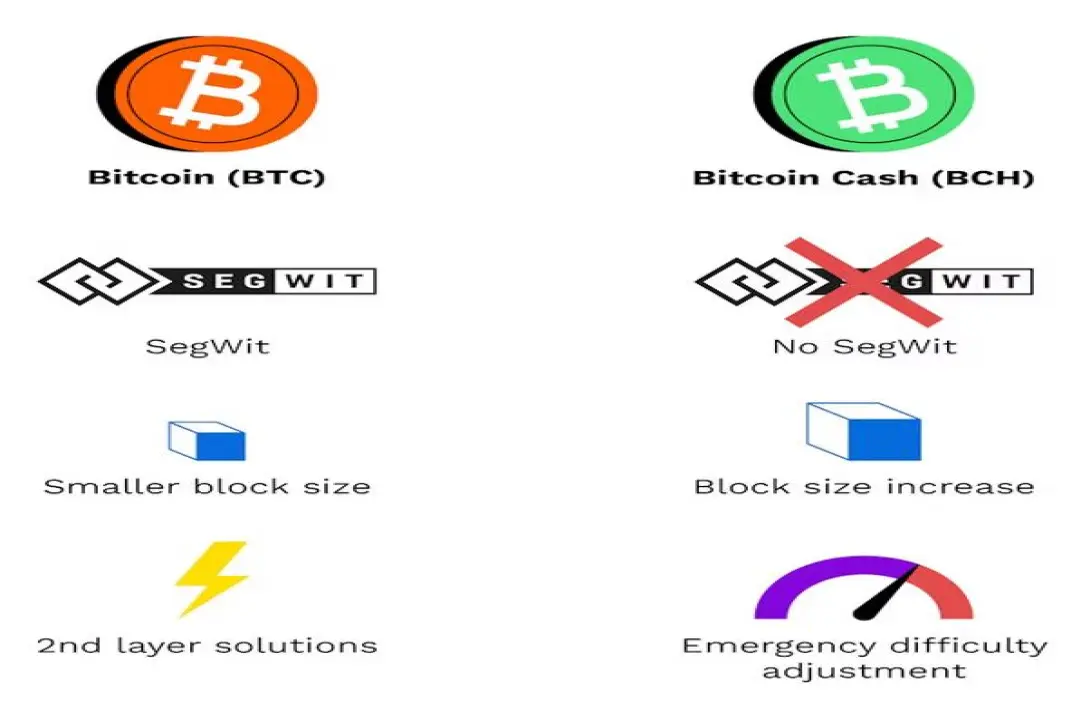
Origins & Background Of Bitcoin And Bitcoin Cash
Bitcoin created by Satoshi Nakamoto in 2009. BTC designed a peer-to-peer system for digital transactions. Its objective was to provide a form of digital money. That operates without central authorities like banks or governments.
Bitcoin gained mainstream attention. Its popularity face slowdown on the network. That's why it create transaction times and high fees. This scalability issue a debate within the Bitcoin community. About how to solve these challenges. Developers proposed increasing the block size. They think about more transactions per block. But this solution was not adopted by Bitcoin network. Then Bitcoin Cash created in August 2017. Creating this cryptocurrency with larger block sizes.
Block Size and Scalability
One of the main technical differences between BTC and BCH is their block size.
Bitcoin (BTC): Bitcoin’s block size is limited to 1 megabyte (MB). This was part of a strategy to maintain decentralization. However, this small block size rises scalability issues. As Bitcoin became more widely used. For it's network congestion BTC create slower transaction times and higher fees.
Bitcoin Cash (BCH): In contrast, Bitcoin Cash increased the block size to 8 MB. It raised his size further to 32 MB. Bitcoin Cash process more transactions per block in this system. This system reducing transaction fees. This process making it more scalable for everyday use. Especially for smaller transactions. The goal of Bitcoin Cash was to restore Bitcoin's as "Electronic Cash". That could be used for day-to-day payments.
Transaction Speed and Fees
A significant consequence of the block size difference is the impact on transaction speed and fees.
Bitcoin (BTC): Bitcoin’s limited block size can result in slower transaction confirmation times. Especially during periods of high network traffic. As a result, users often pay higher fees to transactions. This has made Bitcoin less suitable for everyday transactions. Bitcoin more commonly viewed as a store of value.
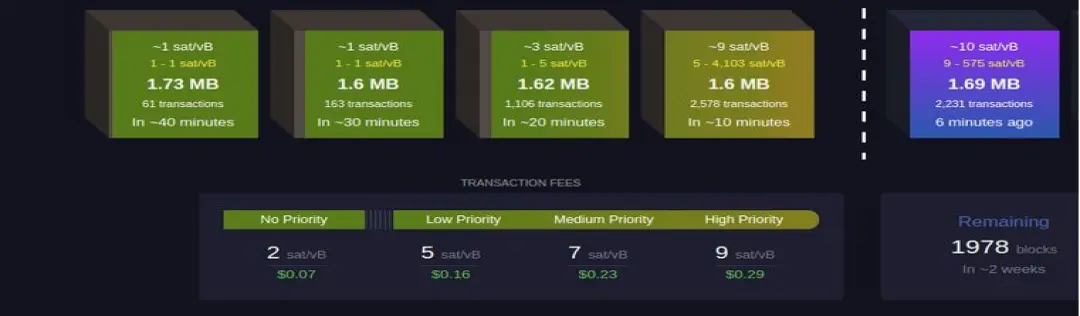
Calculation of Bitcoin transaction fees.
Bitcoin Cash (BCH): With larger blocks, Bitcoin Cash can handle a higher volume of transactions. This system faster processing times and lower fees. This making Bitcoin Cash more acceptable for everyday transactions. Like buying coffee or making online purchases. Without the need to pay excessive fees.
Philosophy and Use Cases
BTC and BCH also diverge philosophy. Which impacts their use cases and adoption.
Bitcoin (BTC): Bitcoin’s supporters often focus on its role. They think BTC as a store of value. They argue that Bitcoin’s limited supply increasing demand. And make it an excellent barrier against inflation. Supporters think it is a secure store of wealth. Bitcoin embraced by investors as a "Digital Gold".
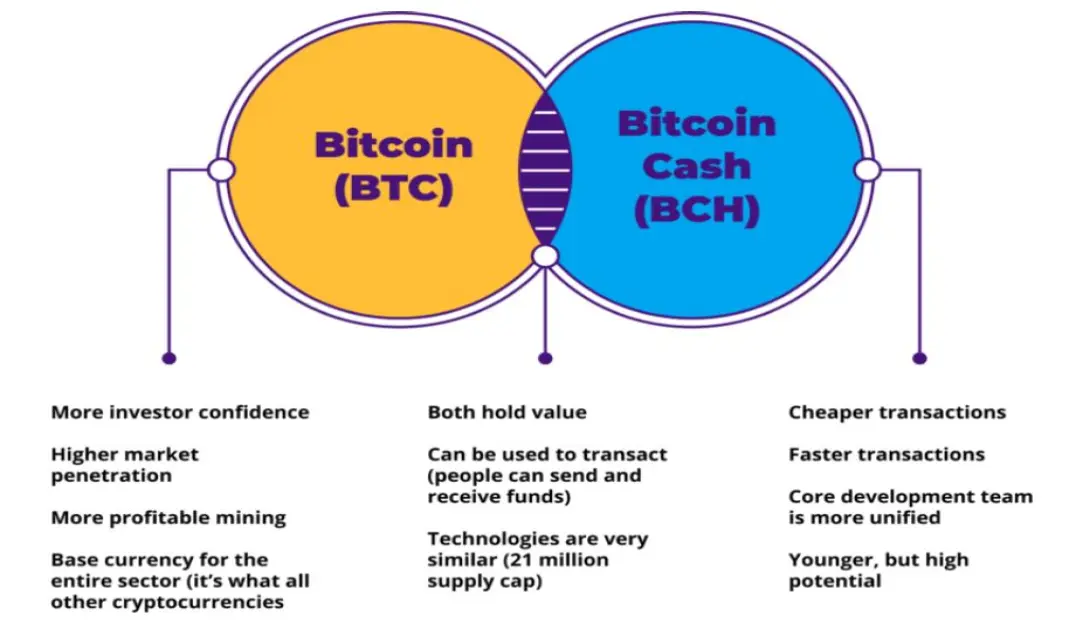
Bitcoin Cash (BCH): Bitcoin Cash’s philosophy is being a peer-to-peer electronic cash system. Supporters of BCH believe that its larger block size faster the transaction speeds. And make it more practical for adoption as a currency. BCH is often seen as a better choice for merchants. Consumers who want to use cryptocurrency for regular payments.
Adoption and Community
The communities behind Bitcoin and BCH have distinct approaches. What is their development and adoption strategies?
Bitcoin (BTC): Bitcoin has a larger and more established user base. Its market capitalization far exceeds that of BCH. Often people think the first cryptocurrency is Bitcoin. Bitcoin’s brand helped it become more widely accepted in various sectors. From online retailers to national governments exploring central bank digital currencies (CBDCs).
Bitcoin Cash (BCH): While Bitcoin Cash doesn’t have the same level of recognition as Bitcoin. It has garnered support in specific areas. Particularly in regions where faster and cheaper transactions. Some businesses and merchants prefer BCH due to its lower transaction fees. It has adoption in the e-commerce and payment processing industries. However, it hasn’t reached the same level of institutional interest as Bitcoin.
SegWit and Lightning Network
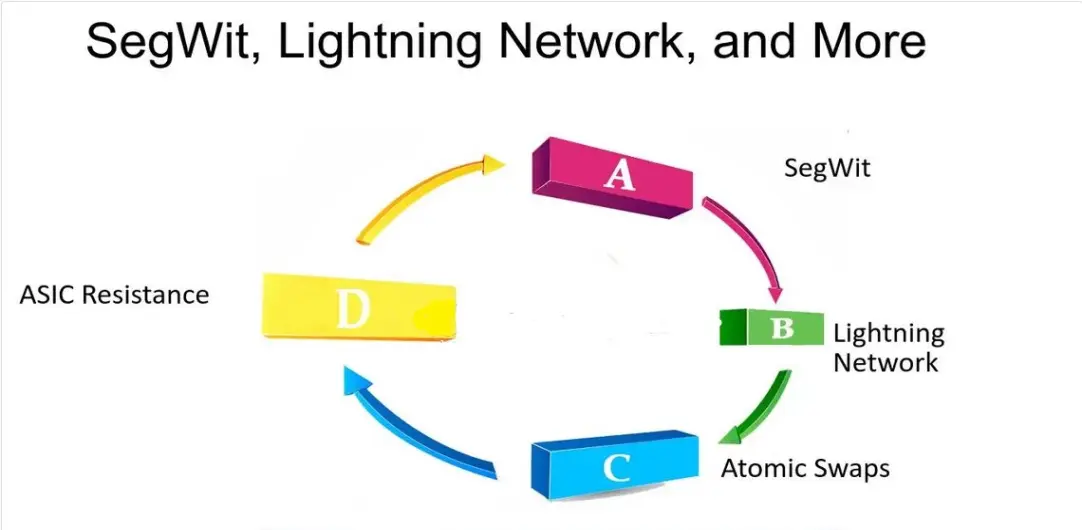
Another key difference between Bitcoin and BCH is how they handle second-layer solutions.
Bitcoin (BTC): Solving Bitcoin’s scalability challenges. Developers introduced a protocol upgrade known as Segregated Witness (SegWit). SegWit reduces the size of transactions. Allowing more transactions to fit within each block. Without increasing the actual block size. Additionally, Bitcoin has adopted the Lightning Network. this is a second-layer solution that allows users to conduct off-chain transactions. For speeding up transactions and reducing fees.
Bitcoin Cash (BCH): Bitcoin Cash has not adopted SegWit or the Lightning Network. Its larger block size allows it to handle more transactions on-chain. Supporters of Bitcoin Cash believe that increasing block sizes is a simpler and more effective solution to scalability. Without the need for additional layers like Lightning.
Conclusion: Bitcoin vs. Bitcoin Cash
People debate between Bitcoin and Bitcoin Cash. The main differences to their scalability, transaction fees, and use cases. Bitcoin is a king of the cryptocurrency world. With a focus on being a store of value. While Bitcoin Cash aims to fulfill the role of digital cash for everyday use. Both have their strengths and weaknesses. Which one is better depends on what you’re looking for. Long-term investment (BTC) or fast, low-cost transactions (BCH).
Ultimately, Bitcoin Cash and Bitcoin offer different visions for the future of cryptocurrency. Their coexistence demonstrates the diversity and innovation within the crypto ecosystem. Share your thought into the comment box & follow my blog for update.
Read My Others Post
Ethereum 2.0: The Game-Changing Upgrade You Need to Know
Revolution in DeFi: Changing the Face of Traditional Banking





