
We like to think of artificial intelligence as something entirely ethereal. We talk about the cloud as if our data is floating around in some pristine, weightless digital heaven, completely untethered from the messy realities of dirt, water, and steel. When you type a prompt into an image generator or ask a chatbot to debug your code, the response feels like pure magic. It is instantaneous, clean, and seemingly cost-free to the world around us.
But the reality running beneath our shiny digital ecosystem is heavy, loud, scorching hot, and deeply material. The curtain is finally being pulled back, and the world is waking up to the staggering physical footprint required to keep this illusion alive. We aren’t just building an intellectual frontier, we are driving our global infrastructure straight toward a hard environmental and societal cliff. The average person is completely unprepared for what happens when we go over the edge, and honestly, the math says we are approaching it much faster than anyone cares to admit.
The Material Cost of Magic
For years, the public conversation around artificial intelligence focused almost entirely on what these models could do, while completely ignoring what they consume. Every time we train a larger parameter model, we are essentially throwing a massive logistics burden onto our planet’s physical resources. A landmark United Nations University study exposed the brutal reality of our current trajectory, showing that our obsession with compute is rapidly outstripping our physical means. By the year 2030, global data centers dedicated to powering AI are projected to consume a mind-boggling 945 terawatt-hours of electricity annually. To put that into perspective, that is nearly triple the combined annual domestic energy use of Pakistan, Bangladesh, and Nigeria. We are talking about sacrificing the energy equivalent of nations home to over 650 million human beings just so we can generate hyper-realistic memes and automate corporate emails.
The crisis doesn’t stop at the power grid, either. These massive server farms generate an unfathomable amount of heat, requiring millions of gallons of water every single day just to keep the processors from melting into expensive puddles of silicon. The UN News report on environmental footprints notes that AI-related water consumption could equal the basic annual domestic needs of 1.3 billion people by the end of the decade, all while spitting out 2.5 million tonnes of hazardous electronic waste each year. What makes this an absolute geopolitical powder keg is the sheer concentration of control. Over 90% of this specialized compute capacity is located entirely within two nations, the United States and China. We are staring down a profound digital and environmental divide where the entire world experiences the societal disruption of AI, but a tiny handful of geographic hubs reap the financial rewards while outsourcing the environmental degradation.
The Grid Irony and the Rigged Race
This sudden resource crunch has triggered an emergency, almost frantic convergence of energy grids and tech infrastructure. Tech giants aren’t just buying up graphics cards anymore. They are actively trying to buy up entire power plants. The recent announcement of the World Economic Forum Technology Pioneers cohort highlighted a massive cluster of deep-tech startups arriving to stitch together our failing infrastructure. Companies like Emerald AI and GridCARE are being deployed to use specialized machine learning models just to orchestrate power grids and unlock hidden capacity. They are trying to find clever ways to keep data centers online without plunging local municipalities into total darkness.
There is a brilliant, slightly terrifying irony here that feels straight out of a sci-fi novel. We are officially using massive amounts of AI compute to optimize the energy grid specifically so we can build more massive AI data centers. It is a snake eating its own tail at a geopolitical scale. Tech executives claim this GridCARE power optimization initiative will buy us time by squeezing efficiency out of aging lines, but it also highlights exactly who owns the future. The open-source community is filled with brilliant minds fighting back, trying to build decentralized protocols, local models, and privacy-first alternatives that run on modest hardware. But at the end of the day, you cannot run a planet-altering AI revolution on good intentions alone. You need raw silicon, and you need megawatts. The entities with the deep pockets and the hardware monopolies are the ones dictating the rules of this race, and they have no intention of letting anyone else catch up.
RIP Privacy, We Hardly Knew Ye

Because a tiny handful of massive corporations control the underlying physical infrastructure, our digital privacy hasn’t just been eroded, it has been completely handed over. Every scrap of data we generate, from our casual search queries to our private documents, is treated as raw fuel for inference engines. Centralized models are constantly scraping, processing, and mapping human behavior with terrifying precision, leaving our individual security completely compromised. The concept of keeping your digital life truly private feels like an ancient artifact from a bygone era, a relic of an internet that no longer exists.
While the World Economic Forum spotlights new decentralized cohorts like Sentient Labs empowering open-source frameworks, the structural reality remains completely uneven. The average consumer is already so habituated to exchanging their personal data for immediate digital convenience that the battle lines are warped from the start. We are being funneled into a centralized panopticon under the guise of progress and daily efficiency. Security features are marketed to us as protective shields, but when the underlying hardware stacks and server networks are entirely owned by hyperscalers, true sovereign control over your own data becomes a statistical impossibility. The open-source projects fighting to give us back our digital keys are essential, but they are throwing pebbles at an armored tank.
The Automated Cliff and the Engineered Fate

As these centralized systems grow more resource-heavy and deeply integrated into our daily lives, they aren’t just consuming power, they are preparing to displace human labor markets at a pace we have never witnessed before. This isn’t just about automated factory floors or self-checkout lanes anymore. It is about entire cognitive, administrative, and creative industries being compressed into lines of code. This massive disruption means that some form of Universal Basic Income is rapidly moving from a progressive economic theory to a cold, hard capitalist necessity. If automation strips away the purchasing power of the middle class, the very system building these models collapses from a lack of consumers to buy their products.
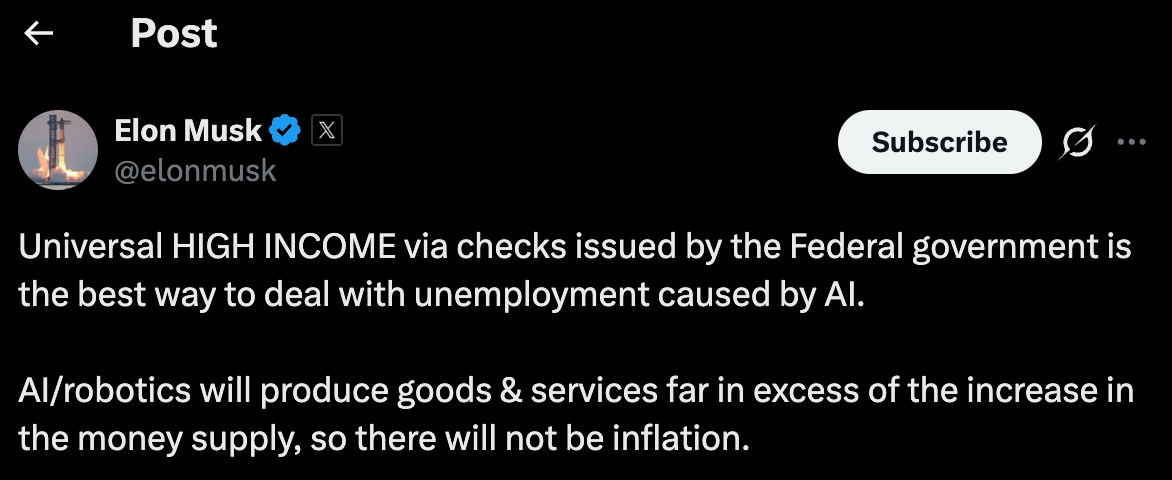
This brings us to an uncomfortable, deeply cynical question that keeps a lot of tech watchers up at night. What if all of this was the plan all along? What if this careening pace was intentionally designed to move so quickly that the average person is left entirely overwhelmed, leaving them no choice but to accept a state of total, institutional dependency? When a crisis moves faster than human policy or individual adaptation can handle, accepting a corporate-sponsored baseline fate becomes the only viable path to survival. We are being pushed into a corner where our privacy is gone, our resource independence is depleted, and our livelihood is subsidized by the very machines that displaced us. It is an engineered inevitability where the prize for losing our autonomy is a digital stipend to keep us quiet.
Where Do We Go From Here?

We are standing at a definitive crossroads where environmental limits and societal structures are fracturing at the exact same time. The physical world is pushing back with dry reservoirs, overloaded power grids, and mountains of electronic waste, while our social fabric is wrestling with the death of privacy and an economic model that feels increasingly unsustainable. The true bottleneck of the AI boom isn’t a lack of clever algorithms or smart engineers. It is the raw, stubborn reality of planetary resources and human autonomy.
As the race accelerates, we have to start looking past the screen and acknowledging the smoke pouring out of the data centers. The ultimate question isn’t whether AI can replace us, but whether we will possess the collective will to demand decentralized, human-centric alternatives before the keys to our survival are permanently locked away behind a corporate firewall. It is time to stop viewing this tech as magic and start treating it like the massive infrastructure challenge it truly is.

Thanks for reading everyone! Visit my site to learn more about me and explore what I’m building at Learn With Hatty. I hope everyone has a great day and as I always say, stay curious and keep learning.






