In every civilization, stories about power are never limited to politics alone. Across centuries, hidden alliances between noble houses, royal dynasties, financial elites, and secret societies have shaped the collective imagination of humanity. Some researchers and independent historians argue that aristocratic bloodlines formed transnational networks capable of influencing economies, religions, wars, and even modern systems of social control. Within these theories, the concept of the “Black Nobility” emerges as a symbol of invisible power structures operating beyond governments and borders.
Whether interpreted as historical reality, political metaphor, or cultural mythology, these narratives continue to fascinate artists, writers, and digital creators across the Web3 era. For creators like Marekiaro Callisto, such themes become material for visual storytelling — transforming genealogy, symbolism, and ancestral memory into contemporary digital art.
Southern Italy itself is a land deeply connected to dynastic histories, noble families, and ancient identities. From Naples to Sicily, Calabria to Campania, surnames often carry traces of forgotten territories, feudal systems, and aristocratic influence.
 The Chianese Family: Roots in the Neapolitan Landscape.
The surname Chianese originates from the Campania region, particularly around Naples, Salerno, and Caserta. Linguistically, the name likely derives from the Neapolitan dialect term chiano, meaning “flat” or “plain,” referring to someone living in a level geographic area or connected to a place historically known as Chiano.
Like many Southern Italian surnames, the identity of the Chianese family reflects the relationship between land, territory, and social belonging. In medieval Italy, surnames were often tied to geographic origin, occupation, or feudal jurisdiction. Over generations, these names became symbols of continuity, carrying fragments of local history into modern times.
In artistic interpretation, the Chianese lineage can be imagined as part of the wider hidden map of Mediterranean bloodlines — families rooted in ancient territories while witnessing the transformation of kingdoms, churches, and political systems.

The Cosentino Dynasty: From Cosenza to Noble Titles.
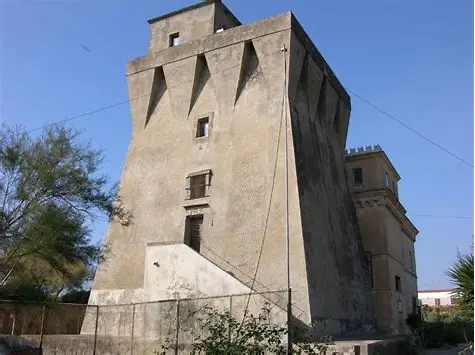
The surname Cosentino derives from the city of Cosenza, historically known in Latin as Cosentia. Originally, the name identified people who came from that Calabrian territory before spreading across Southern Italy, especially Calabria, Sicily, and Campania.
Historical records associate branches of the Cosentino family with noble titles and aristocratic recognition. In Sicily, particularly around Trapani, members of the family reportedly held baronial titles, including connections to the Barons of Rondè. In regions such as Sorrento and Aieta, branches of the family were linked to noble and marquis traditions.
These historical fragments reveal how aristocratic identities were not isolated local phenomena, but part of broader Mediterranean power structures connecting commerce, feudalism, and political authority. Throughout history, noble families often intermarried strategically, reinforcing influence across regions and generations.
For contemporary digital artists, these stories resonate strongly with modern discussions surrounding inherited power, elite networks, and invisible hierarchies. The ancient nobility becomes both historical subject and symbolic archetype — a mirror reflecting modern systems of control.

The Fontana Family: Water, Territory, and Sicilian Nobility
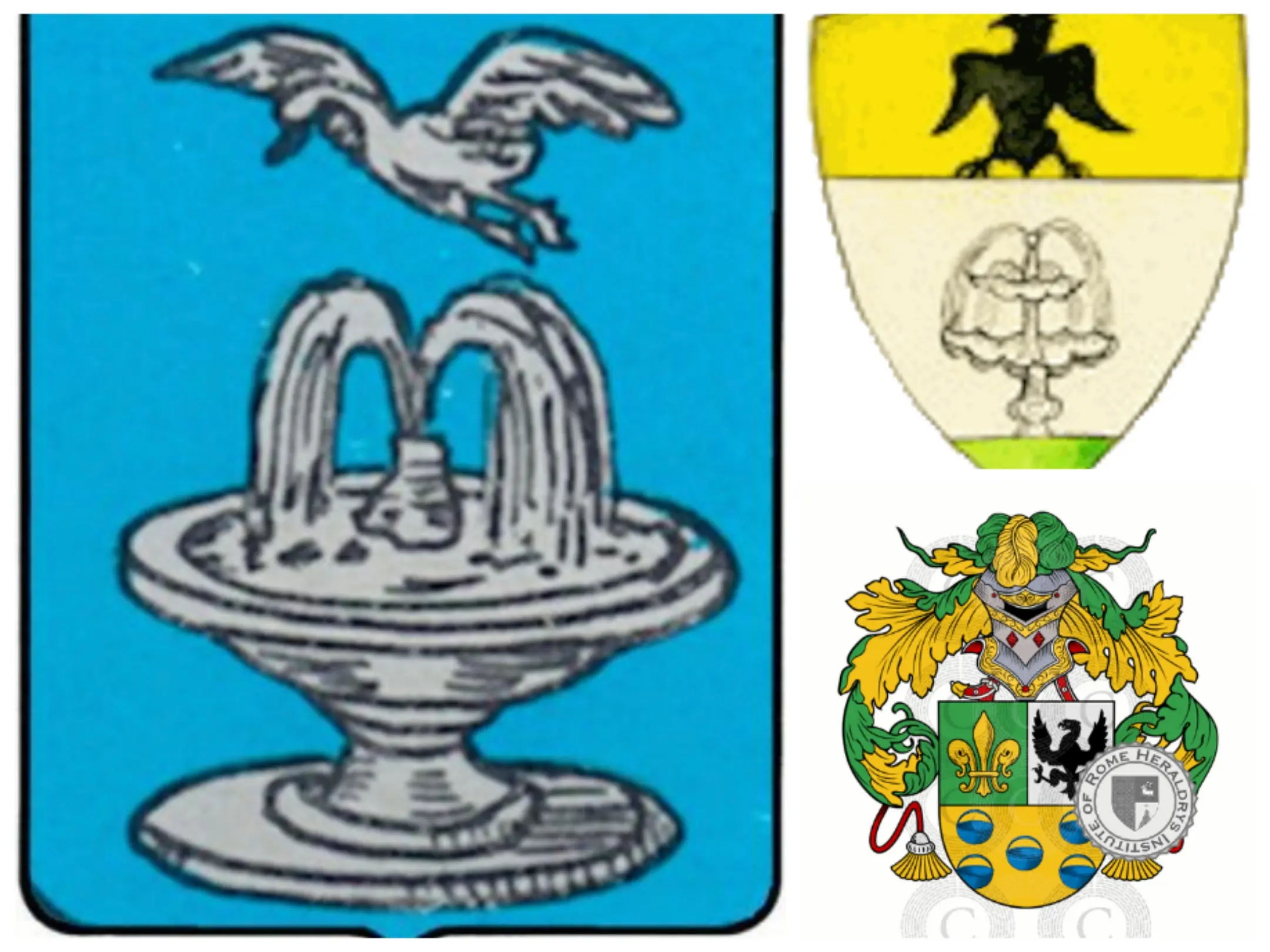
The surname Fontana comes from the Latin fontana, meaning a spring or water source. Traditionally, it identified families living near fountains, wells, or natural springs. Over centuries, the name spread throughout Italy, especially in Lombardy, Veneto, and Sicily.
In Sicily, historical branches of the Fontana family became associated with noble circles documented in Palermo, Trapani, and Messina. Some genealogical traditions connect collateral Fontana branches with aristocratic dynasties active during Bourbon rule, including feudal administrations and local political authority.
Water itself carries powerful symbolic meaning. In mythology and esoteric traditions, fountains represent hidden knowledge, rebirth, and access to deeper truths beneath the visible world. Through this lens, the Fontana lineage becomes more than a family name — it becomes a metaphor for concealed origins and the flow of power through generations.
Nobility, Mythology, and the Digital Age
Modern society often dismisses ancient aristocratic structures as relics of the past. Yet fascination with bloodlines, elite influence, and hidden systems remains stronger than ever. In the digital era, conspiracy narratives, genealogical research, and alternative historical interpretations spread globally through decentralized media platforms.
For artists these themes hold particular relevance. Web3 has created new forms of identity, ownership, and collective mythology. Just as noble houses once used heraldry, seals, and dynastic symbolism to establish power, digital creators now build symbolic universes through avatars and decentralized communities.
Marekiaro Callisto explores these intersections between ancient lineage and cyber culture, transforming Southern Italian historical memory into visual narratives connected to Web3 philosophy, symbolism, and decentralized creativity.
The result is not merely historical commentary, but a fusion of mythology, genealogy, digital art, and speculative imagination — where medieval bloodlines meet blockchain civilization.