
Publication in Russian on the Zen blog
https://dzen.ru/a/Z-KQhqO4Rhs5ZXbc
There are many films, books, and traditions related to rabbits in England.
For example, there is a superstition that on the first day of every month after waking up, one should say "Rabbit, rabbit, rabbit" before pronouncing any other words.
This bizarre little superstition that many people follow is supposed to attract good luck.
When I lived in Russia, my friend and I did it a little differently: we shouted "white rabbits!" on the first of every month (it turns out that shouting was not necessary, but we did it, apparently, so that the rabbits would hear for sure).
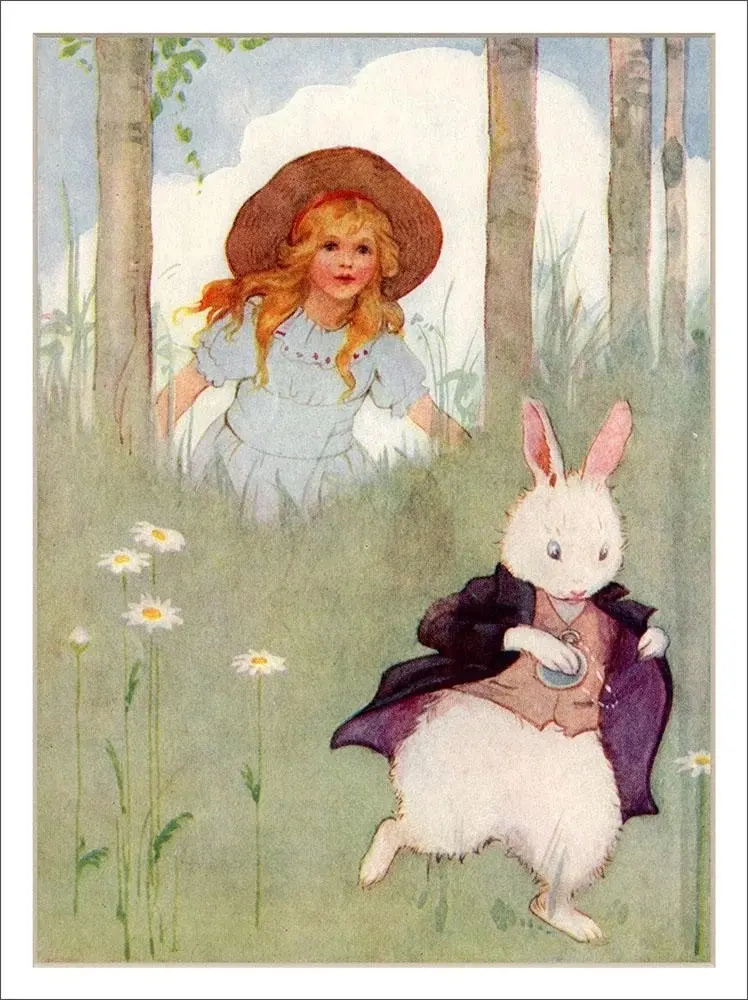
Speaking of English culture, I immediately want to recall the white rabbit from Alice in Wonderland. Initially, such characters in folklore serve as guides during the transition to the other world.
Lewis Carroll has illustrated this well.
Now it's clear where the writer got his inspiration for his book: opium, rabbits, cricket, card games. In the Victorian era, people had fun as much as they could.
In the English countryside, there are indeed a lot of rabbits, you can meet a whole colony, and rabbits will jump in different directions as soon as you approach them.
I've never seen these cute fuzzies in their natural habitat before.
But these wonderful animals are not as innocent as it might seem. So, in England and Australia, there were real wars with rabbits, as they multiplied rapidly and spoiled crops and even harmed the entire ecosystem.
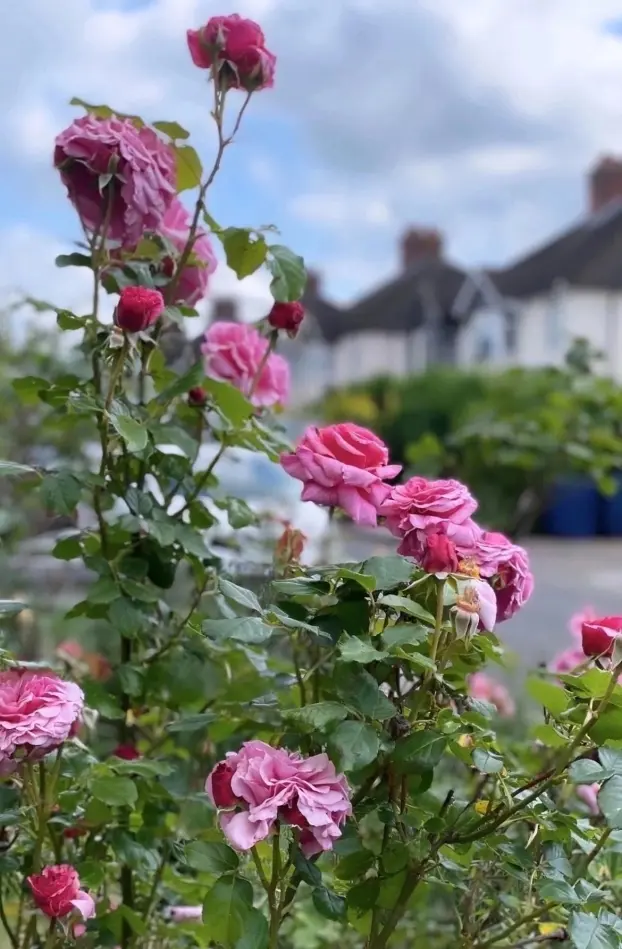
I recommend a selection of Oxford Notes in the blog for those who are interested in England.
I've been thoroughly hooked on books and materials on evolutionary biology and psychology, ethology, and neurophysiology, and I don't know how to stop.
Dawkins, Sapolsky, Lorenz, Chopra, Harari, Pinker, Peterson... I listen to lectures by Dubynin (I went to his special course at the Moscow State University Faculty of Biology) and Drobyshevsky.
To be honest, I haven't read fiction for 5 years (but I don't feel like it either), only popular science: biology, genetics, neurology, all kinds of naturalistic topics…
All this intellectual vinaigrette in my head is also accompanied by reading historical blogs about comparing the crisis of the Roman Republic and the transition to empire and the United States now, the Civil War in the States, as well as books about feminism.
Something like that…
Ekaterina Sveshnikova, England, London, Oxford University
https://vk.com/english.rose1
I write and shoot. Join me
Author's video content CMCproduction & SmartREC video studios
https://www.youtube.com/c/ViolettaWennman
Highly Social on Zen
https://dzen.ru/shipshard
I invite you to the uncensored telegram channel.
https://t.me/shipshard
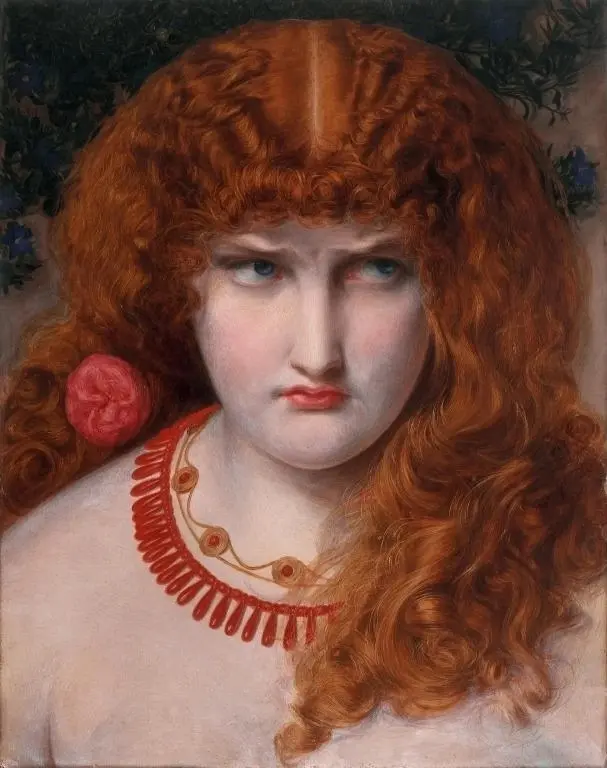
The pre-Raphaelites.
https://t.me/shipshard/2868
“Helen of Troy” (1867) by Frederick Sandys
“Ophelia” (1851) by John Everett Millais
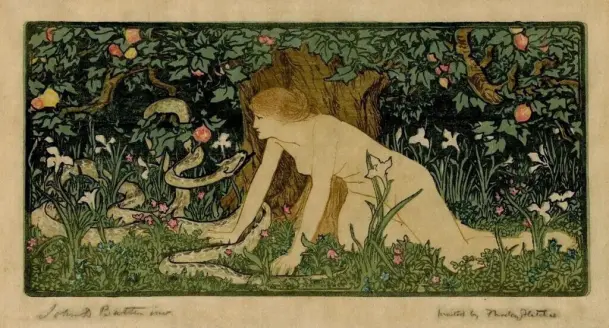
“Eve and the serpent” by John Dickson Batten

My blog has a separate selection of "Notes from Oxford" by Ekaterina Sveshnikova.
Books and materials on evolutionary biology and psychology, ethology, and neurophysiology. Dawkins, Sapolsky, Lorenz, Chopra, Harari, Pinker, Peterson, Dubynin and Drobyshevsky. Historical blogs, books about feminism.
Ekaterina Sveshnikova, England, London, Oxford University.






