
Publication in Russian on the Zen blog
https://dzen.ru/a/Z5dj_PCO10jOLOUg
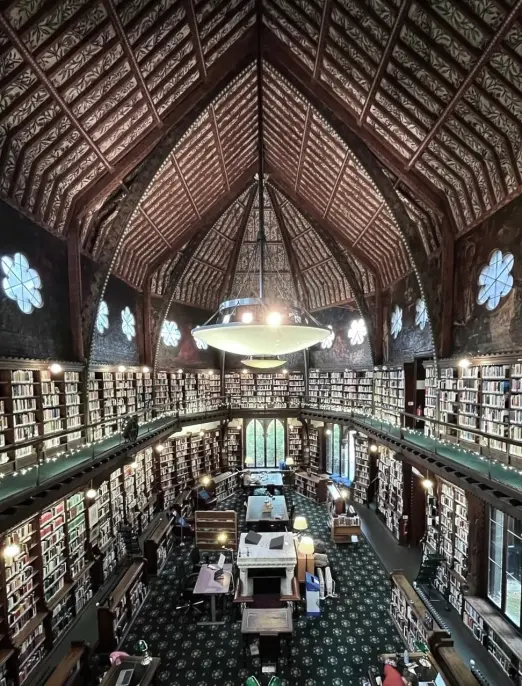
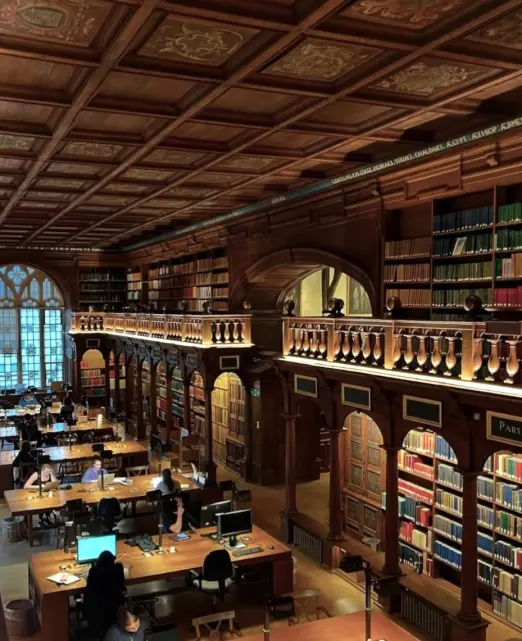
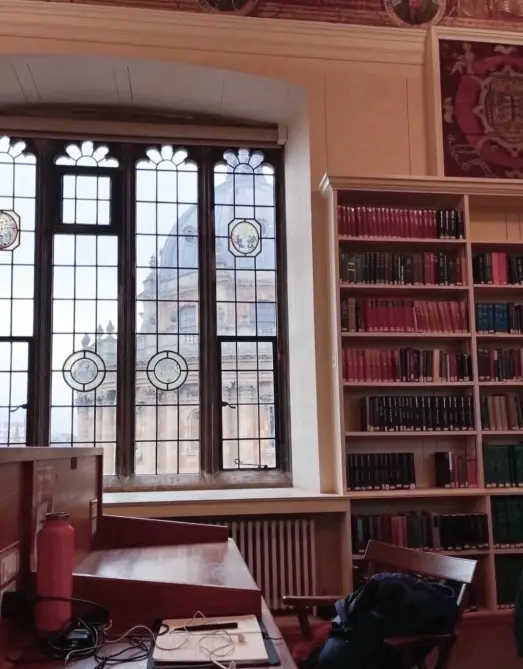
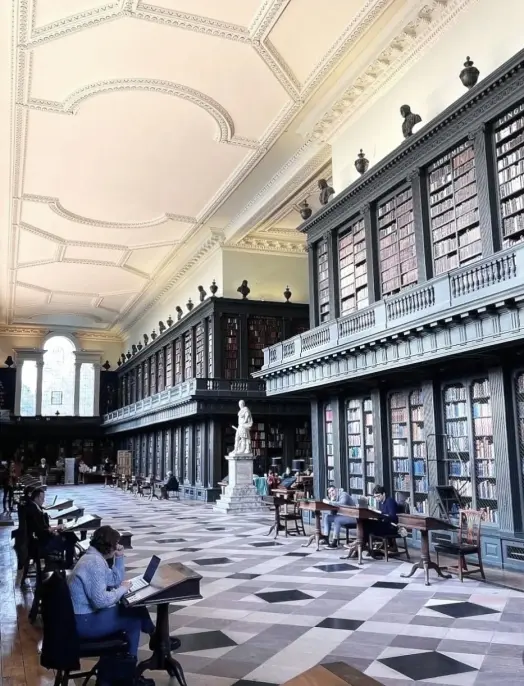
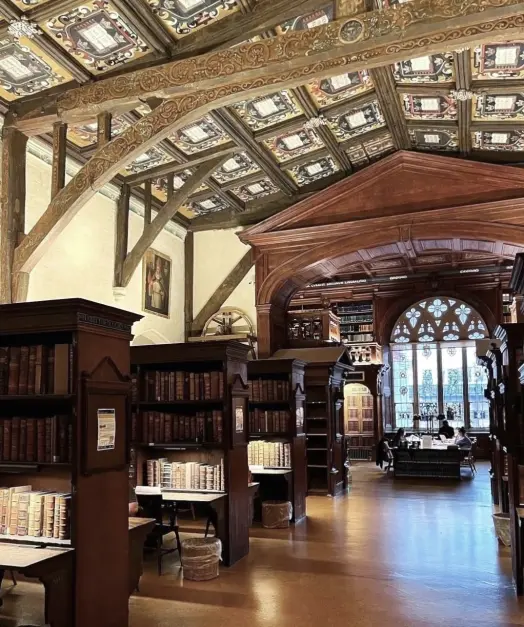
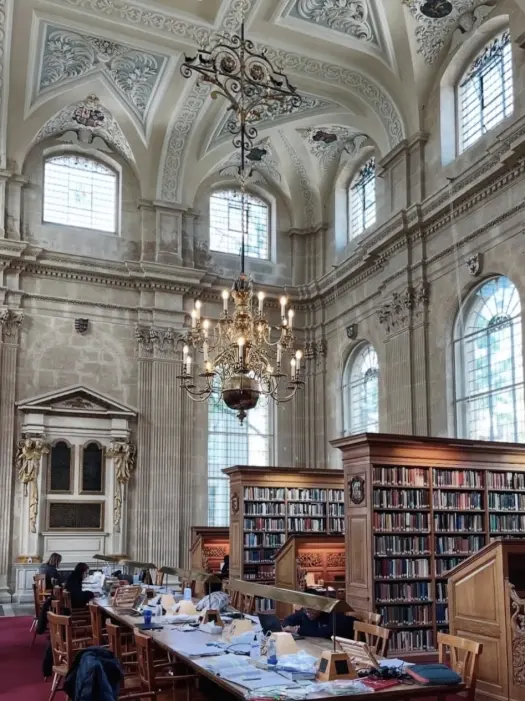
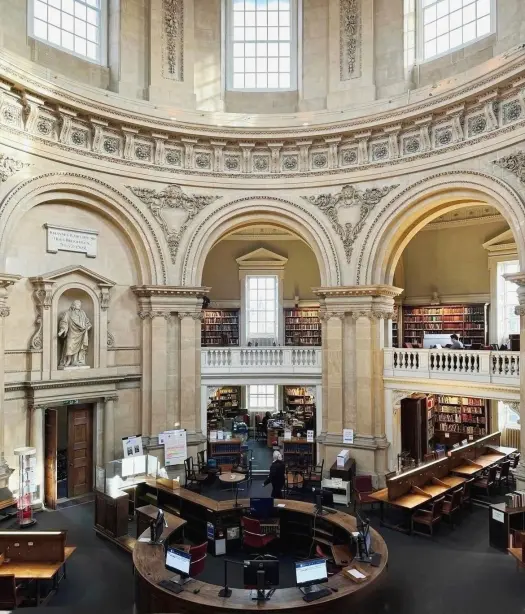
Oxford libraries are an introvert's paradise.
This is pure Dark Academia
There are more than 100 libraries in Oxford. The Bodleian Library was opened to researchers in 1602 (that is, it is 442 years old).
This legendary library holds a copy of every book published in the UK and the Republic of Ireland. Of course, the library exists in electronic format as well.
Something else interesting about local libraries:
1. It will take more than 600 lifetimes for the most enthusiastic reader to view all the books in the Bodleian (if you view one per day).
The average reader, who has read about 300 books in his lifetime, will need another 39,999 lifetimes to finish.
2. When you join the Bodleian Library as a reader, you swear — in your native language — never to set it on fire.
3. The Bodleian collection includes a book made of cheese.
It's not the only unusual item in their collection, or even the only one you could eat. Other unusual acquisitions include one of the smallest books in the world and books made of sweet potatoes, live mushrooms and vegetable papyrus.
4. The number of readers in the Bodleian libraries is almost 100 times higher today than in 1945.
In 1602, the Bodleian had 248 readers. In 1945, there were 700, and by 2014, there were 64,242.
After graduating from Oxford, you can continue to use the library (you will need to renew your subscription).
5. The gates in Weston's new library are inscribed with the phrase "Si bonus es intres, si nequam ne quaquam" ("If you're good, come in. If he's evil, then by no means")
These decorative Ascott gates were salvaged from the Dorner family estate, destroyed by fire in 1662.
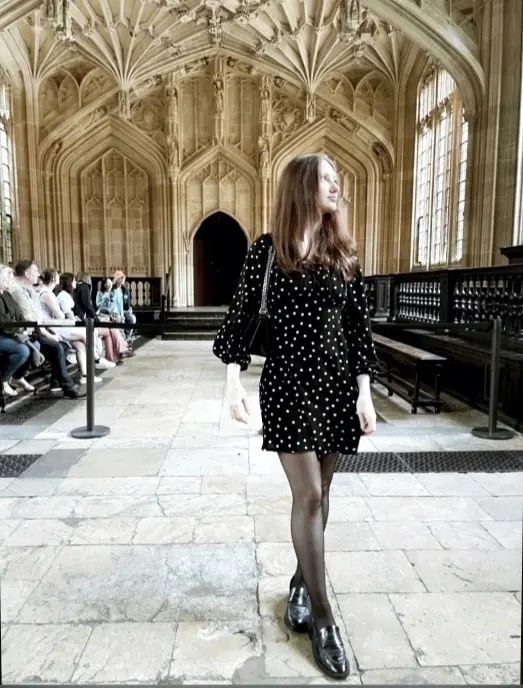
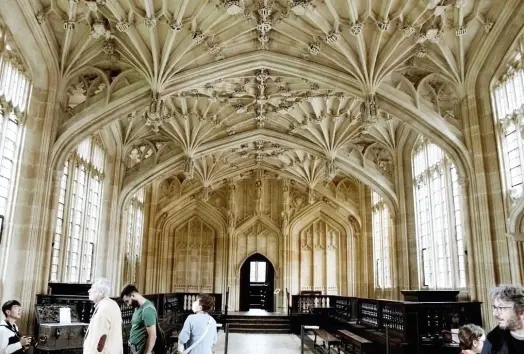
6. The Divinity School in The Bodleian Library is the oldest room in the university
This medieval building was built in the 1400s to host lectures, oral exams, and discussions on theology. It is the oldest preserved part of any university.
I've been thoroughly hooked on books and materials on evolutionary biology and psychology, ethology, and neurophysiology, and I don't know how to stop.
Dawkins, Sapolsky, Lorenz, Chopra, Harari, Pinker, Peterson... I listen to lectures by Dubynin (I went to his special course at the Moscow State University Faculty of Biology) and Drobyshevsky.
To be honest, I haven't read fiction for 5 years (but I don't feel like it either), only popular science: biology, genetics, neurology, all kinds of naturalistic topics…
All this intellectual vinaigrette in my head is also accompanied by reading historical blogs about comparing the crisis of the Roman Republic and the transition to empire and the United States now, the Civil War in the States, as well as books about feminism.
Something like that…
Ekaterina Sveshnikova, England, London, Oxford University
https://vk.com/english.rose1
Author's video content.
In collaboration with CMCproduction & SmartREC video studios
https://www.youtube.com/c/ViolettaWennman
https://ok.ru/shipshard1
https://vk.com/shipshardvk
https://www.pinterest.ca/omegagirs/
https://dzen.ru/shipshard
https://t.me/shipshard
I INVITE YOU TO THE TELEGRAM CHANNEL
UNCENSORED
https://t.me/shipshard
Publication in Russian on the Zen blog
https://dzen.ru/a/Z5dj_PCO10jOLOUg
Author's video content from CMCproduction & SmartREC video studios on Violetta Vennman's YouTube channel, please support
https://www.youtube.com/c/ViolettaWennman






