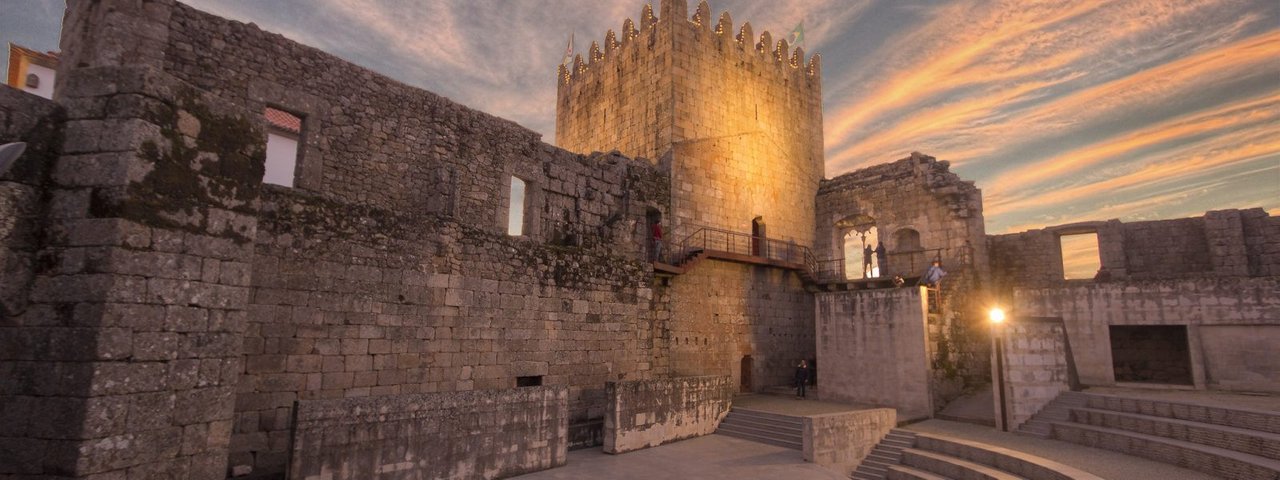
In the tranquility of Beira Baixa, Belmonte is a Portuguese village belonging to the Castelo Branco district. It is a land of good food, immense landscapes and above all a lot of history: did you know that Pedro Álvares Cabral was born here, responsible for the discovery of Brasil?
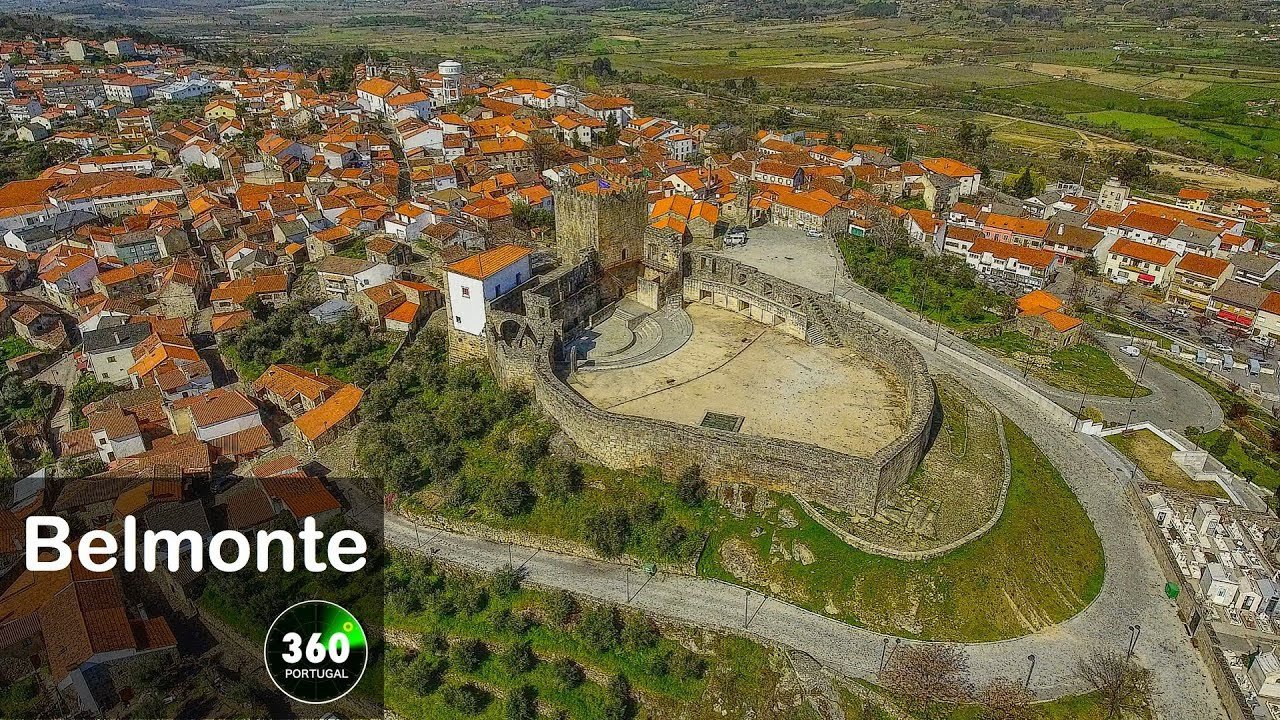
Located in the heart of Cova da Beira, the village of Belmonte greets visitors with stunning views of the eastern slopes of Serra da Estrela. By the way, this location is the basis of some theories about the origin of its name: some say that Belmonte comes from the place where the village is, a beautiful hill and some guarantee that the name comes from "belli monte" or "hill the war". Doubts aside, Belmonte is a land of sunshine and, therefore, a must-see place this season.
Pedro Álvares Cabral and Belmonte's Ancestors
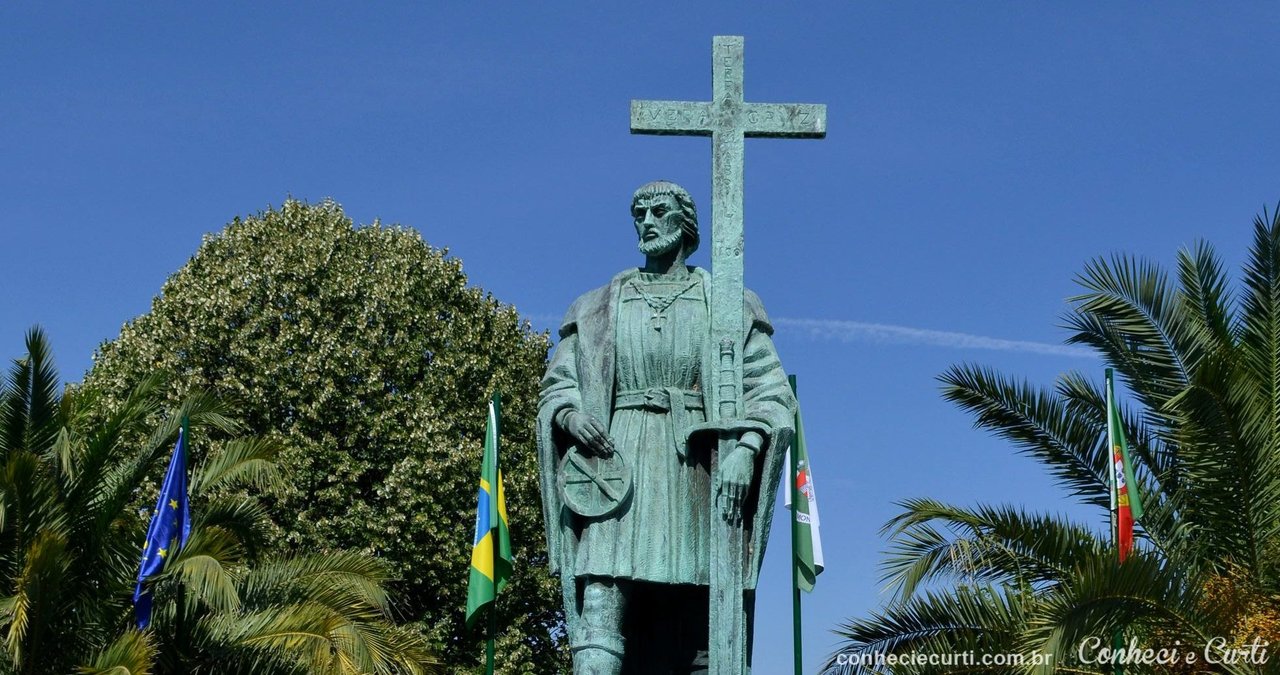
Navigator Pedro Álvares Cabral, who in 1500 commanded the second fleet to India and accidentally officially discovered Brazil, is Belmonte's biggest historical highlight. In fact, Belmonte's story is closely associated with the family of the "Cabrais". Although belonging to the Crown, Belmonte Castle was run by a local mayor and since 1398 this post was linked to the Cabrais.
The first mayor was Luis Alvares Cabral. Fernão Cabral, father of Pedro Alvares Cabral, was the first mayor. With it began, in the fifteenth century, the most outstanding time of the Castle and Belmonte.
The Roman presence is also evident from the existence of the Centum Cellas Tower or the Villa da Quinta da Fórnea, crossing points of the road that connected Mérida to Guarda. In the Middle Ages, the name Belmonte appears for the first time linked to the history of the municipality of neighboring Covilhã.
According to its settlement policy and strengthening of border defense , the same king granted charter to Belmonte, having remained until 1385 under the jurisdiction of Covilhã. In 1510, D. Manuel I granted Belmonte a new charter letter.
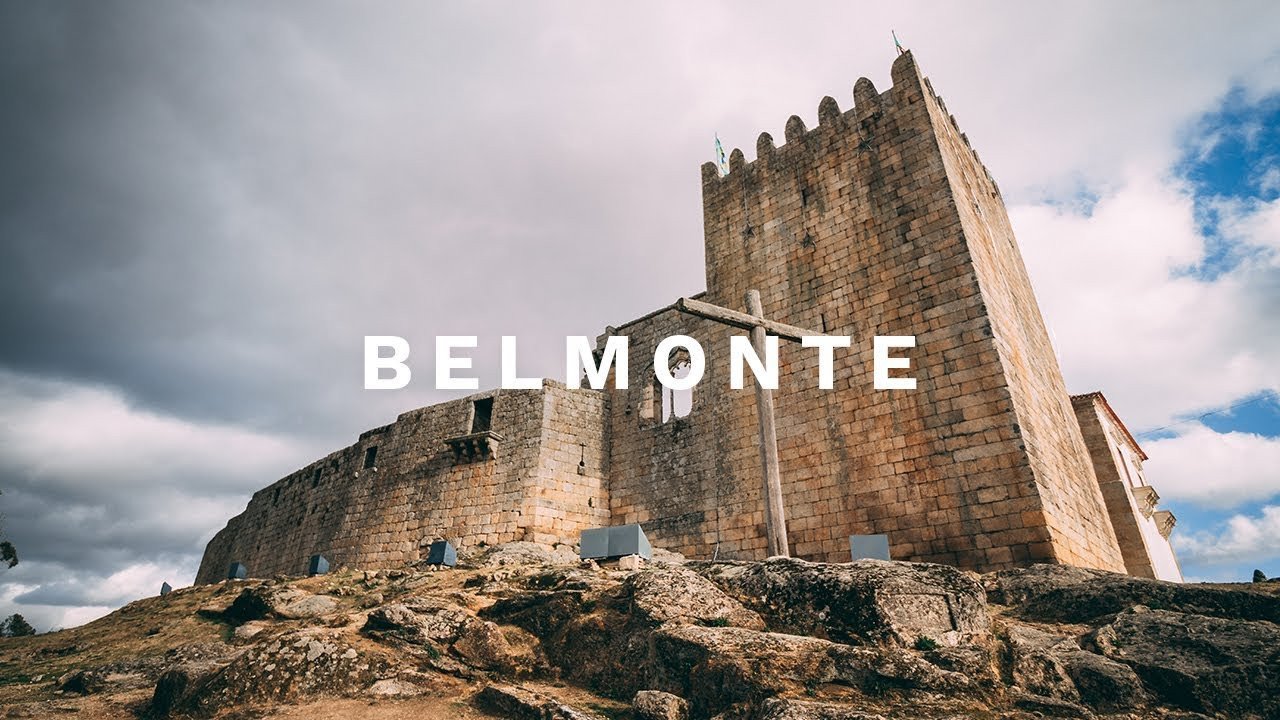
Belmonte was, at that time, recognized for its essentially rural community, with livestock and agriculture as the largest source of income for the village. However, the village was beginning to gain some trade thanks to the settlement of Jews.
The Jewish Presence
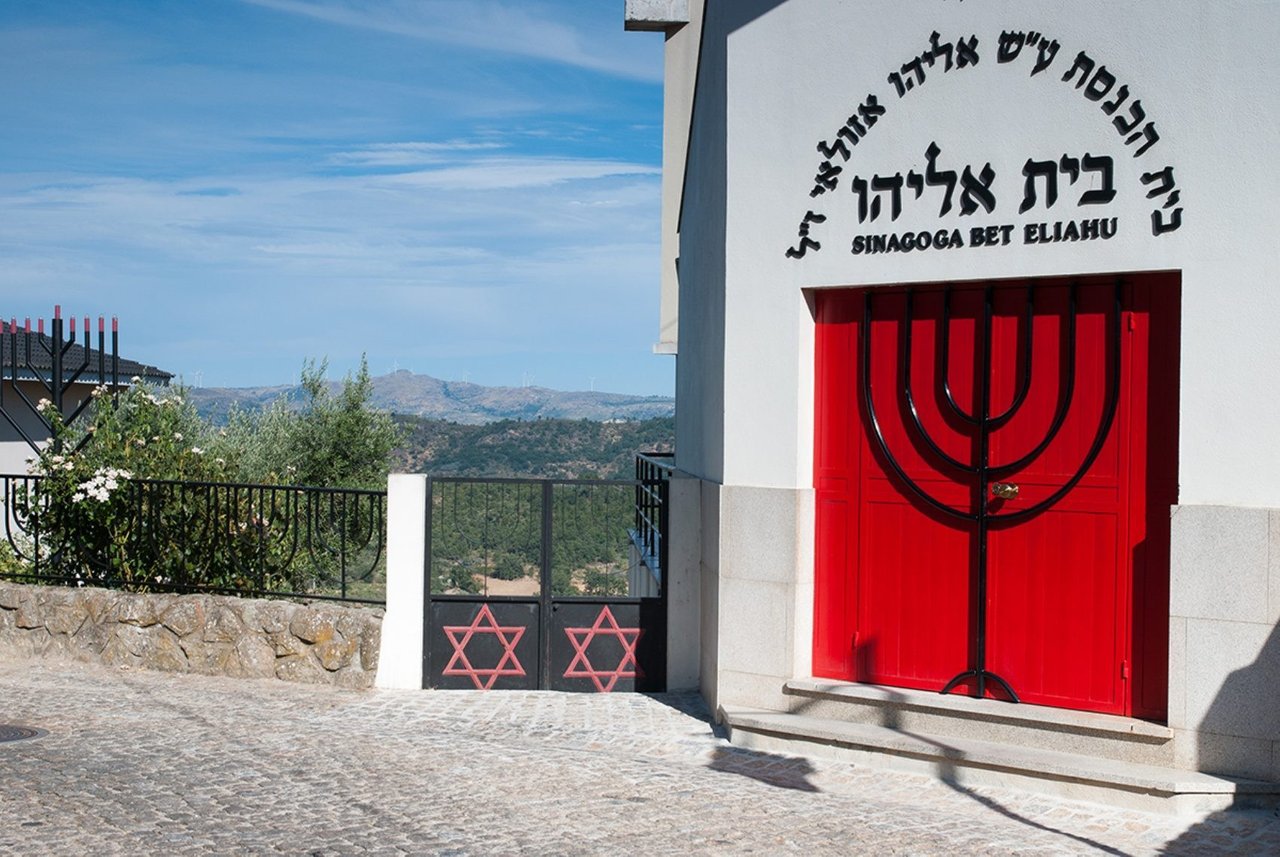
Throughout Belmonte's history, it can be seen that the village became an important point for the Jewish community, especially from the fifteenth century, when the Catholic kings of Spain published the edict of expulsion of the Jews in 1492 followed by the king of Portugal, later.
Many Jews from Spain settled in near-border locations such as Belmonte. They were building their houses outside the Castle wall, as usual, in the so-called Moroccan Quarter, where you can still see symbols of the professions exercised by members of the Jewish community, engraved in stone.
For example, the scissors symbol identified the tailor. Today Belmonte keeps these Jewish roots alive, recalling the traditions and customs of the cult.
The Discoveries Museum
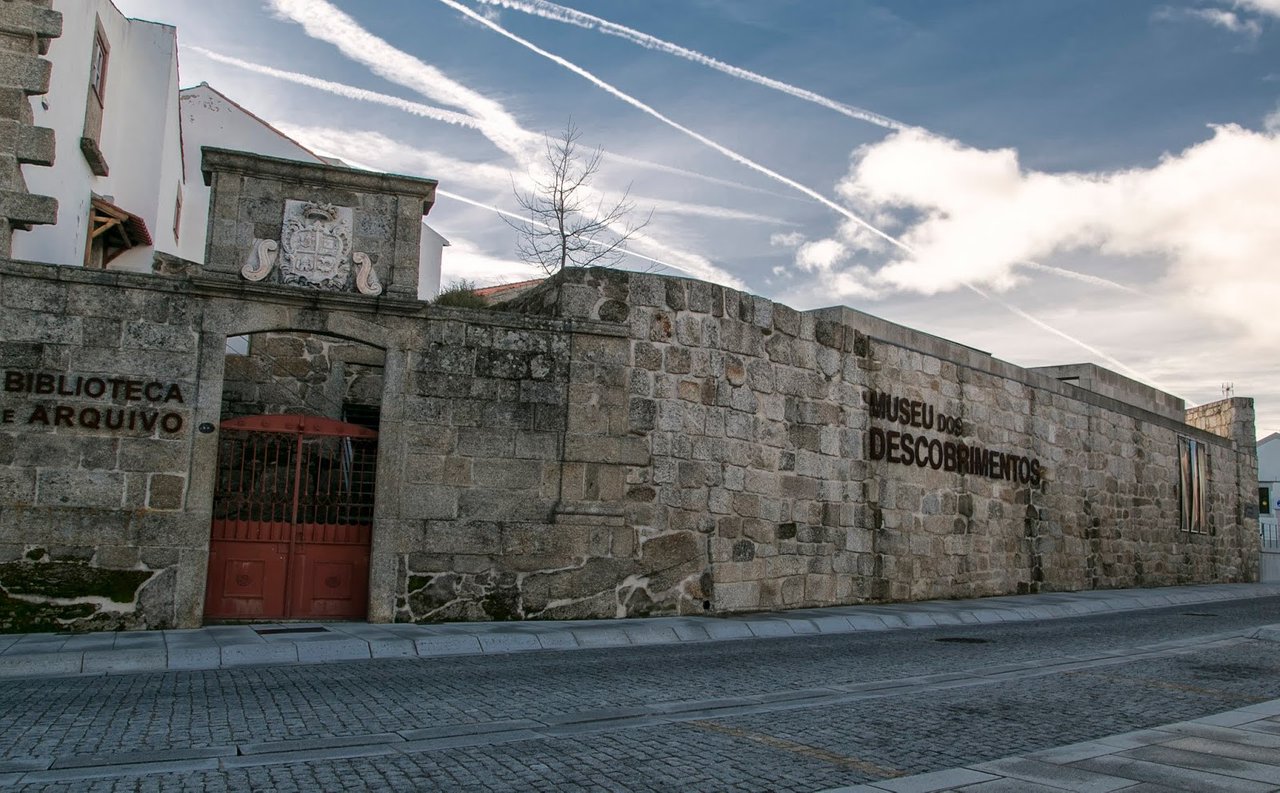
Located on the patio of Solar dos Cabrais, the former residence of the Cabral family, this museum is an invitation to travel, interactively, for the 500 years of the discovery of Brazil, through 16 different rooms. Objects and historical episodes are presented during the visit, as well as various details of Brazilian culture, such as music and literature.
Centum Cellas
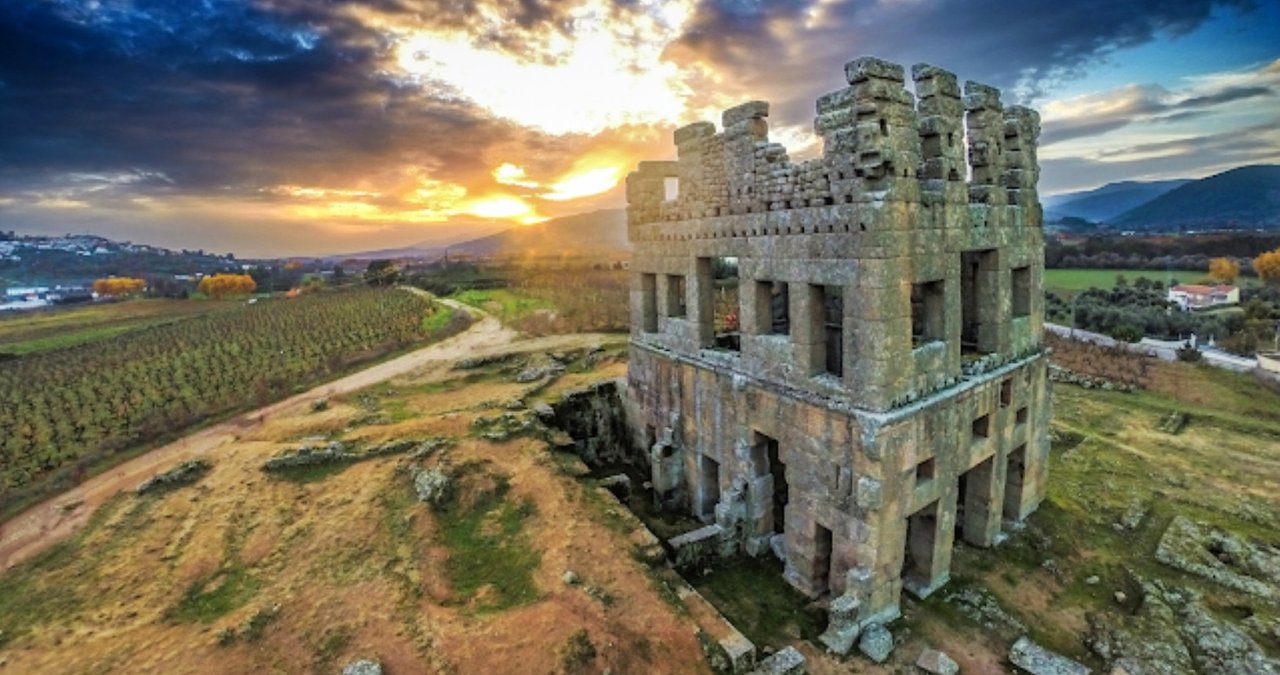
About five kilometers from the center of Belmonte, in Colmeal da Torre, is the Roman village: Centum Cellas. It is believed to have originated in the first century AD, but its exact functionality is a mystery. There are voices that say it may have been a temple, a prison or even a hostel for travelers.
Church of Santiago and Pantheon of Cabrais
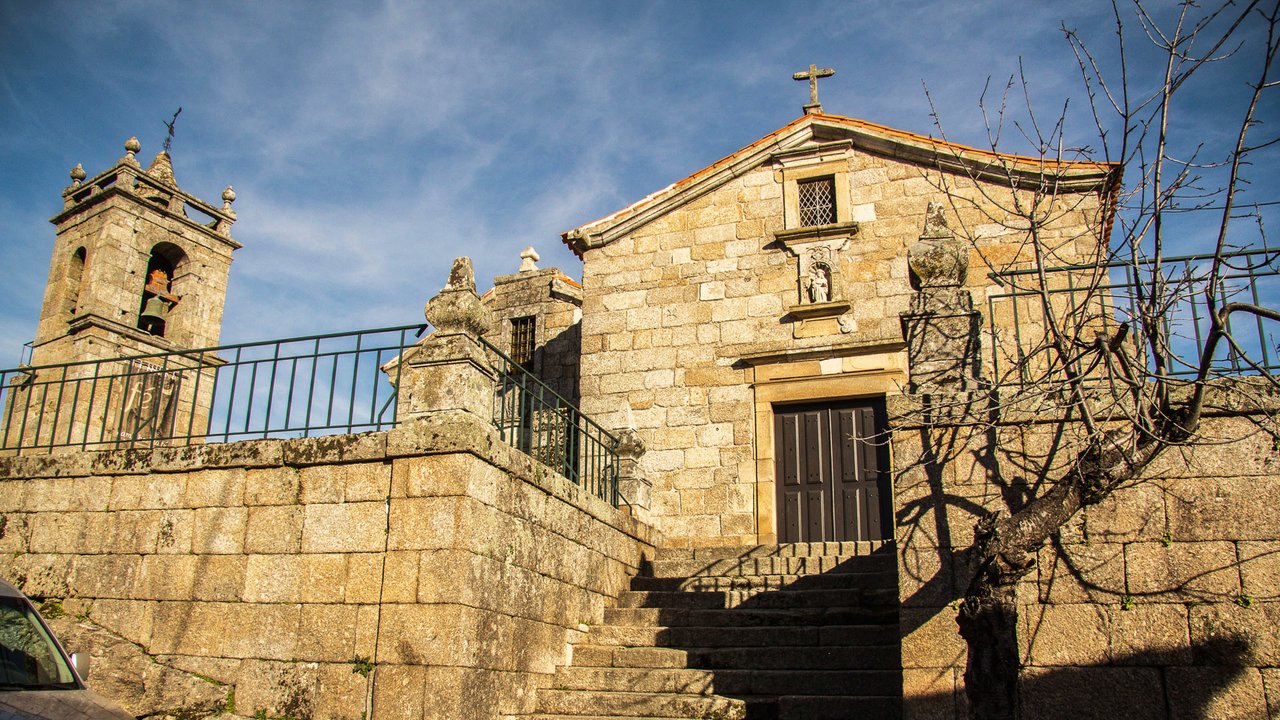
The Church of Santiago is a National Monument and its origin dates back to 1240. Located on one of the pilgrimage paths to Santiago de Compostela, this church has as its main attraction the remains of frescoes on its ceiling and walls and a Pietá. The Cabral Pantheon, where the ashes of Pedro Álvares Cabral and other family members are kept.