
Zimbabwe
One of the more severe cases of hyperinflation was observed relatively recently in Zimbabwe. The hyperinflation got so bad in Zimbabwe that they abandoned their native currency for a few years in favour of using the US dollar. Economic troubles emanated from Robert Mugabe’s land reform programmes, which took land from the white farmers and gave them to inexperienced black farmers. Food production plummeted, unemployment soared, and sanctions were placed on the country. Exacerbating the problems further, the government decided to print more money to finance their military and pay themselves. Inflation led to hyperinflation – the inflation rate was 79,600,000,000% per month at its height in 2008, which led to the abandonment of the currency. It meant that a single US dollar would be equivalent to billions of the Zimbabwean currency at its peak.
Post WW1 Germany (Weimar Republic)
After losing the first World War, Germany was left with gargantuan war debts. The Treaty of Versailles worsened the situation even further due to the very high demands of reparations. This led to hyperinflation in 1923 due to the fact that the German banks kept printing more and more money to buy foreign currency to pay off all of their debts. It got so bad that a single loaf of bread cost 200,000,000,000 marks and people were carrying their wages in wheelbarrows and burning their money for fuel.

Post WW2 Hungary
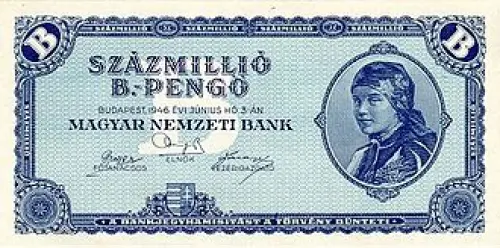
The worst ever case of hyperinflation was in post-war Hungary. The pengo (Hungarian currency that suffered the hyperinflation) was greatly affected by the Great Depression in the ’30s. The second Word War made the situation even worse, and the currency suffered hyperinflation in 1946. The highest value pengo reached 100,000,000,000,000,000,000 – 100 quintillion. There was even a banknote that was 100 million each due to the severity of the hyperinflation.
Thanks for reading,
Referrals:
https://www.kucoin.com/ucenter/signup?rcode=rJUBNZ7






