
Ramaria botrytis
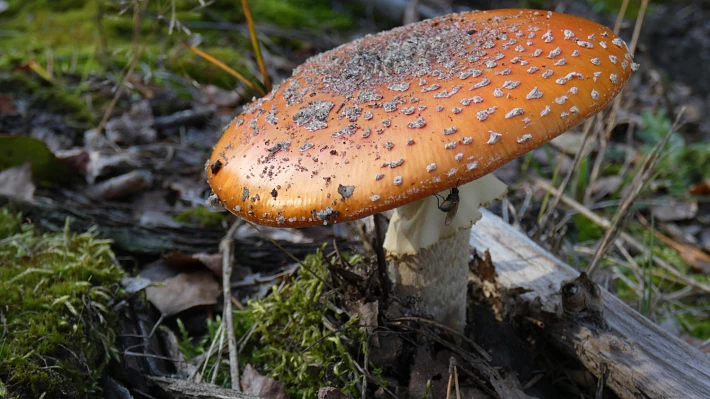
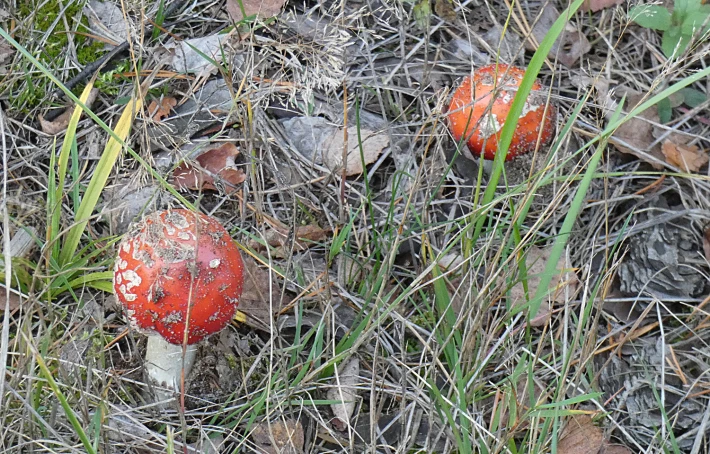
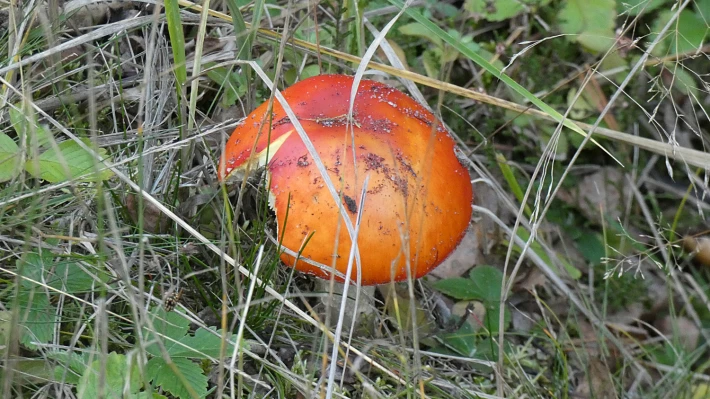
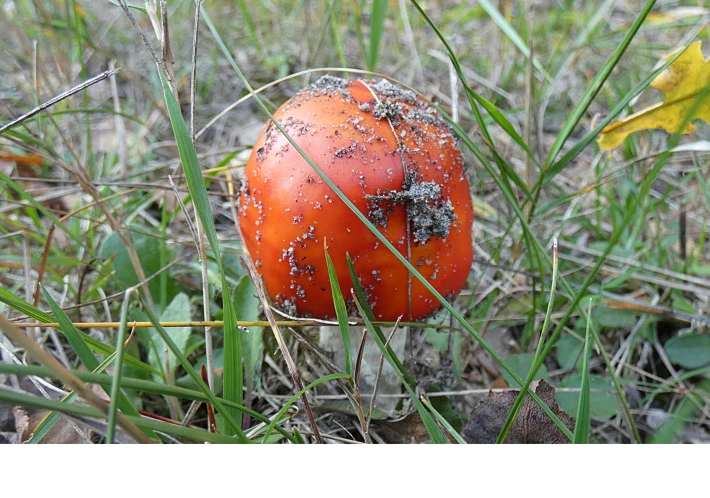
Hat: diameter up to 20 cm. In very young specimens, spherical, then hemispherical, sometimes low-arched, and in older specimens, flat and slightly depressed in the center. Smooth surface, slightly corrugated at older specimens at the edge. Initially it is covered with a whitish cover. After its tear, white or white patches remain on the hat. It is sticky in humid weather
Gills / Lamellae: white or pale yellowish, gastric, densely set, free.
Stem: height up to 20 cm, thickness up to 3 cm. It is cylindrical, easily breaking away, full when young, then empty. White or yellow color, has a drooping white (sometimes yellowish) ring. Tuberous base, surrounded by several rows of pin-shaped callus and without a clear sheath.
Flesh: white, fragile, does not change color when damaged, odorless and with a mild taste.
Inedible mushroom, highly poisonous!






