
Gold has been a special metal for centuries. It is a symbol of wealth, power, and security. Kings have hoarded it. Empires have fought wars over it. Our ancestors probably kept some of it and passed it down from generation to generation. Today, central banks are scrambling to get their hands on as much of it as possible.
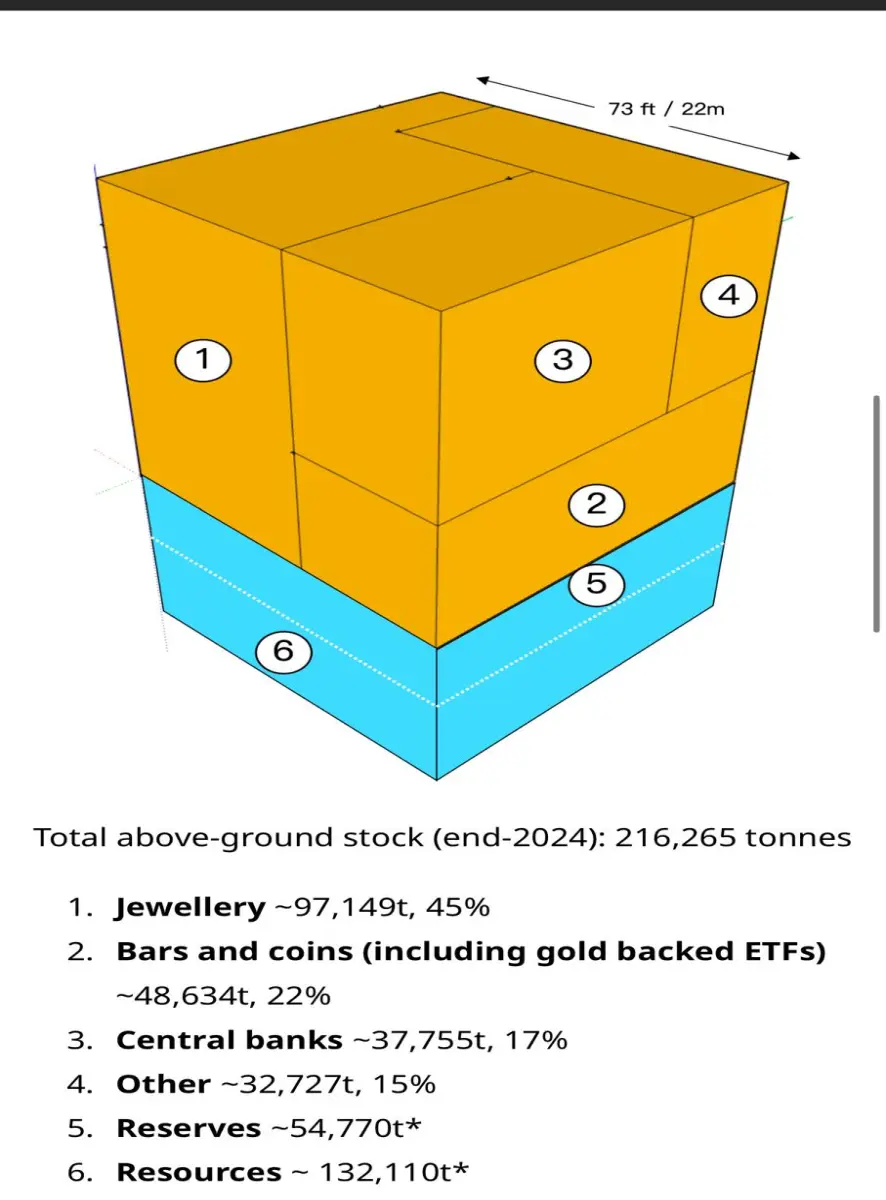
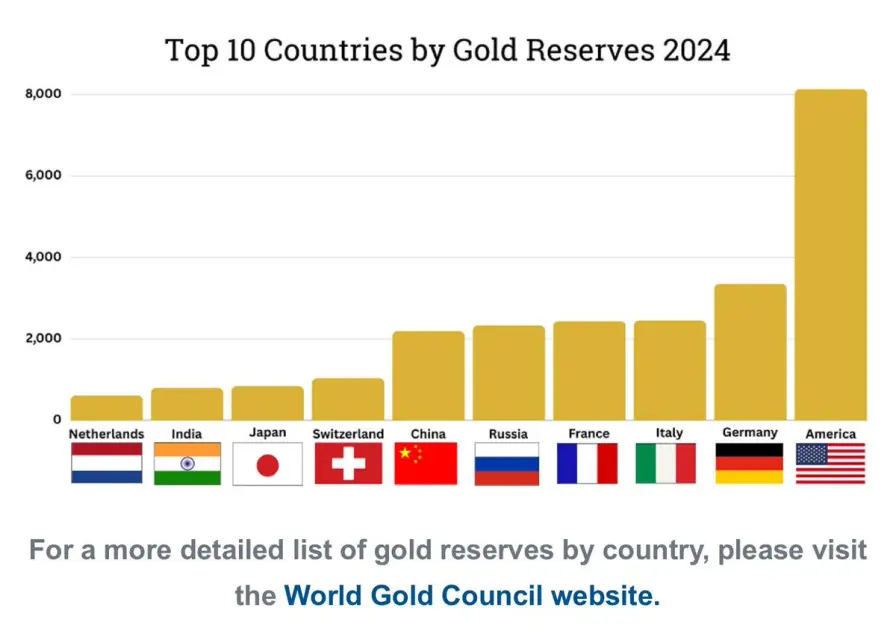
For context, of the 200,000 tons of gold mined in the world, a large portion, or 17%, is held by central banks, and no one hoards more gold than the U.S. Federal Reserve. It has about 8,100 tons.
But here's the thing. A significant portion of the U.S. gold reserves are stored in Fort Knox, an extremely secure storage facility and the subject of today's story.
Fort Knox currently holds 147 million ounces of U.S. gold, or about half of the total gold reserves of the U.S. Treasury Department. It sounds like a bastion of wealth, but this is where the cracks start to show.
Because the last full inspection of Fort Knox was in 1953. Since then, except for brief inspections in 1974 and 2017, no one has been allowed to verify whether the gold is actually there. That’s why Elon Musk and Donald Trump are now pushing for a full-fledged audit.
So what happens if the audit is successful?
One possibility is that everything is fine. The gold is there, neatly stacked and accounted for. That would actually be a good thing. Because as you can see, the gold inside Fort Knox is still valued at an old price of $42 per ounce, a far cry from the price gold is trading at today at around $3,000 per ounce. That’s a huge gap in valuation, and if the US were to revalue its gold holdings, it could reshape its balance sheet overnight.
For context, at a valuation of $42, the US’s total gold holdings at Fort Knox would be worth around $11 billion. But if evaluated at today’s gold price of around $2,900, that same figure would jump to a staggering $760 billion.
So a revaluation could restore confidence in the U.S. financial system and keep the dollar strong.
But what if the coffers aren’t as full as they claim?
That could trigger a financial earthquake. Think about it. Those gold bars in Fort Knox represent security. They may no longer back the U.S. dollar, but because gold is the ultimate safe-haven asset, it’s a safety net for the U.S. Federal Reserve and other central banks around the world. It doesn’t lose value like paper money. That’s why central banks stockpile it, balancing their reserves between foreign currencies and gold to manage risk.
But if gold is really not there, that balance is gone. Panic ensues. People lose trust in their governments, feeling as if they’ve been lied to. And countries that hold large reserves of foreign exchange denominated in U.S. dollars could start selling them. That could weaken the dollar, and before you know it, inflation could spiral out of control. Investors are also starting to look elsewhere, perhaps as an alternative store of value, gold.
And that leads us to ask: Why would the US want to open this Pandora’s box in the first place? Wouldn’t an audit be self-destructive if there was a deficit in gold reserves?
The answer is actually quite interesting.
To start, you have to accept that the US dollar is overvalued and is causing problems for the US and other trading partners. And we’re not saying that. Even Fed Chairman Jerome Powell admitted a few months ago that “the US federal budget is on an unsustainable path. … The debt is not at an unsustainable level, but the path is unsustainable and we know we need to change that.”
What this essentially means is that when debt grows unsustainably, interest payments increase, leading to more government spending and therefore more inflation. One way to keep inflation under control is to maintain high interest rates, which discourages borrowing and spending. But there’s a downside to this. Higher rates strengthen the dollar by attracting investors looking for better returns. And because this vicious cycle has continued for decades, the dollar has remained overvalued.
That's exactly why the US is looking for a new financial approach. In fact, it came up with a deal called the 'Mar-a-Lago Agreement'. It's a kind of new economic system that involves the US tariffs, reducing debt, and converting assets into currency. Our focus here is on the asset monetization part. Could converting assets into currency mean revaluing gold?
I think so. As I've told you before, revaluing gold could play a very important role in this change.
It could inject a large asset base into the US Federal Reserve's balance sheet. Given that it has $36 trillion in debt today, that's what the US needs right now.
On the other hand, even if the audit reveals a deficit, gold prices could rise (as panic drives more people to buy gold).
And paradoxically, this could still benefit the US. Because while the government is under scrutiny, it can also profit from rising gold valuations. After all, any gold that is missing will be insured, allowing even a discrepancy to be turned into a financial advantage.
There’s also the possibility that the entire Fort Knox incident is a political maneuver.
The US abandoned the gold standard in 1971, meaning its economy technically doesn’t depend on Fort Knox’s gold reserves. So why bother with an audit now? One theory posited by experts is that this is part of a broader shift toward alternative assets, particularly Bitcoin and other blockchain-based digital assets. The lack of trust in government could push people to turn to alternatives like Bitcoin as a hedge. Trump seems to want that too. It implies creating a strategic Bitcoin reserve, to act as a financial buffer during crises, or to stockpile Bitcoin to ease the $36 trillion debt we mentioned earlier.
The logic is simple. Bitcoin has a limited supply, and the more the US buys, the scarcer it becomes. This scarcity could increase its value, allowing the government to use it as collateral in emergencies or even to repay debt.
The US currently owns about 200,000 Bitcoins, worth about $19 billion, most of which have been seized by law enforcement. But instead of holding on to them, the government has the chance to actively buy more, potentially owning 5% of all Bitcoin in circulation.
So if you look at it this way, the government may not care if gold-backed reserves lose their credibility and people turn to Bitcoin. This shift coincides with Trump and Musk’s growing interest in digital assets, and makes the Fort Knox audit seem like more than just an effort for financial transparency.
It may seem like self-sabotage, but maybe, just maybe, it's part of a larger monetary reset strategy.
Compellingly clever..





