
As we were cycling along the waterfalls belonging to the rural area of the Khotbeh Sara in Gilan province, Iran, I can say without a doubt that we were riding one of the most difficult and challenging mountain roads.
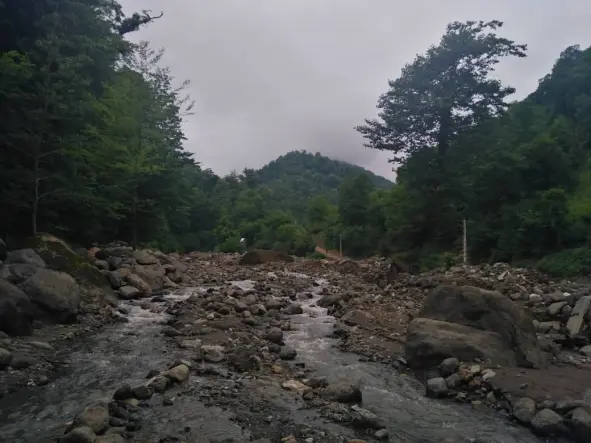
When we reached the foot of the waterfall, seeing a small café near the waterfall was a relief. I couldn’t believe I had gotten here. We got off our bikes and looked around.

40 km of cycling and pedaling on a harsh mountain road had almost exhausted me.
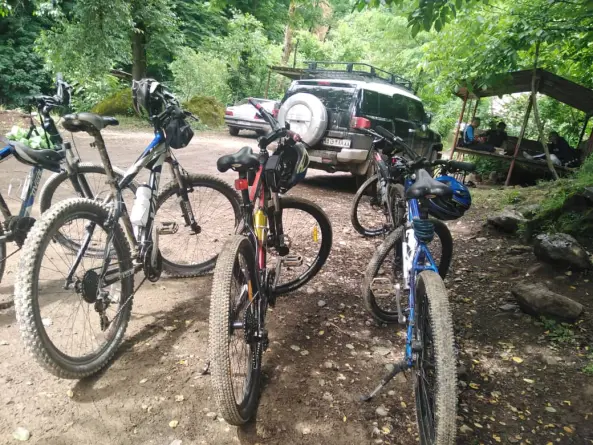
We were all extremely tired and hungry so we had tea and breakfast in the café. Knowing we were very close to the final destination was an exciting notion.

While having breakfast I suddenly saw a big ancient over the road. The giant yew tree is one of the largest and oldest trees in this area of northern Iran and therefore has a local reputation.

Its trunk is made up of interconnected parts and I took a picture from one part! and this makes you wonder.
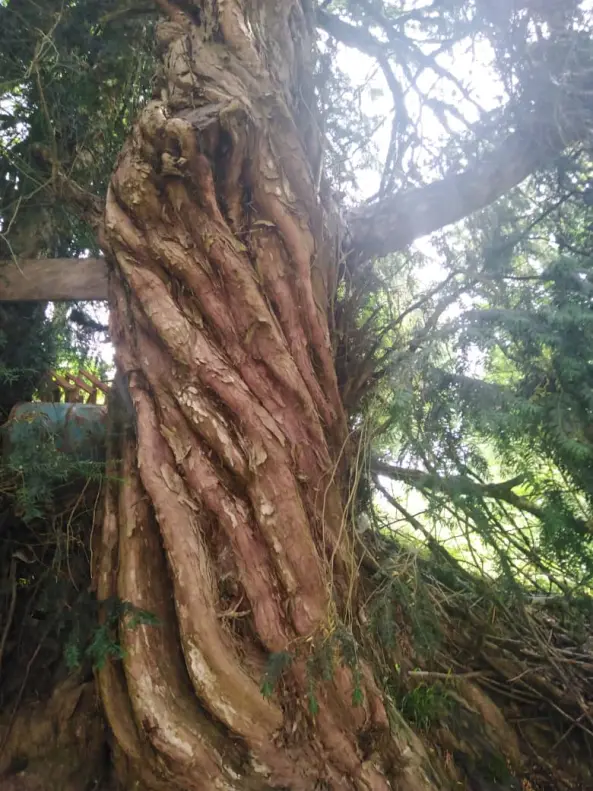
The Taxus baccata is also known as yew, in Farsi means (Red Tree) is one of the well-known species in Iran.
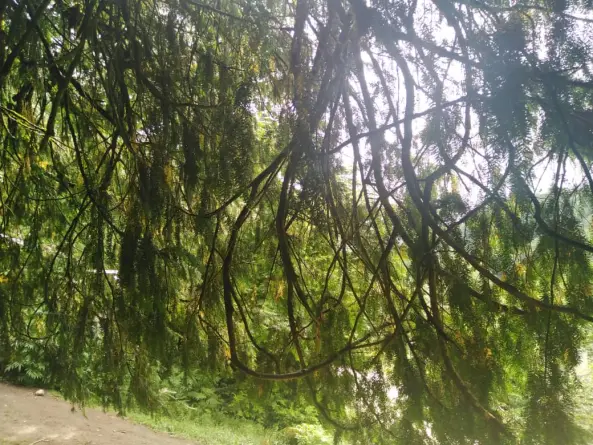
This tree can be considered a living heritage and a masterpiece of natural forests in northern Iran. In terms of biodiversity and conservation of genetic resources and ecology, it is one of the unique and important species of the Hyrcanian region and the remnants of the third geological period.
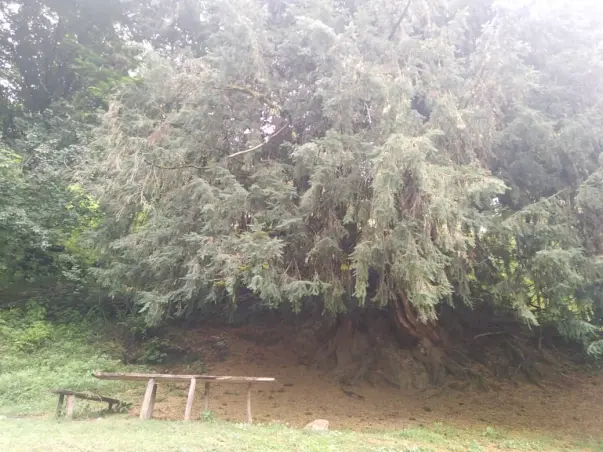
These trees' existence goes back to 190 million years ago. Ancient people are said to have known it, and its leaves were made into a poisonous substance and used to infect their spears. The word "toxin" is thought to refer to poison.
(Wow! It suddenly got so educational!.)
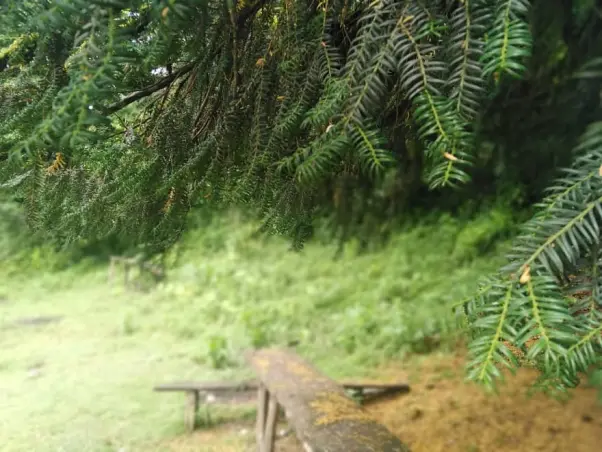
Needless to say, I love trees, and this huge creature, with its lush and majestic nature, casts a wonderful shadow and thrills me immensely.

I took thousands of photos of this yew tree that day.

Finally, friends' breakfast was over, we locked our bikes and headed for the river. After crossing the river bridge, a forest path and waterfalls were waiting for us …






