
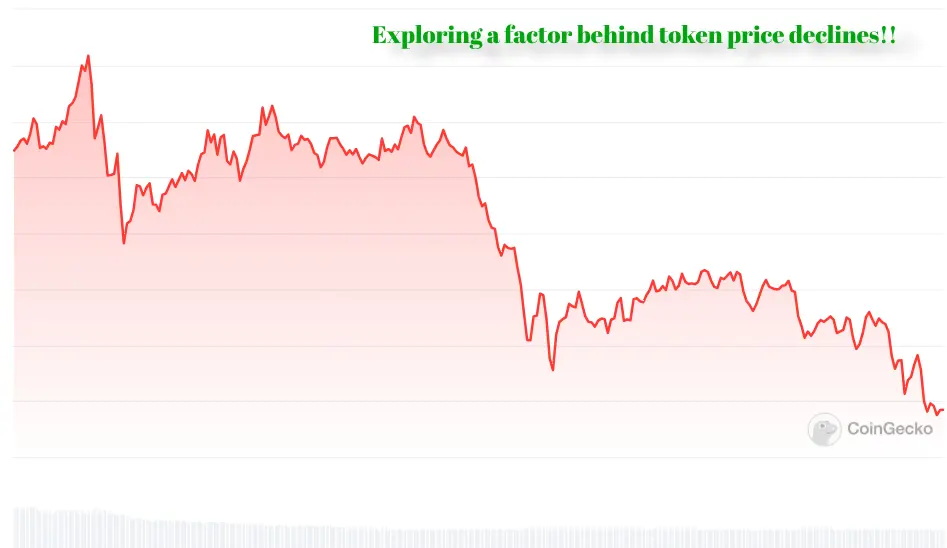
Token price surges often happen due to trading actions of whales than token fundamentals
Price of a crypto token, depends not only on its fundamentals, but also tokenomics. This will be a main topic for later, but I will try explain this fact that a major factor behind price declines of a token selling done by whale holders.
Many times, prices of crypto assets are just manipulated, ie, price of that asset may have increased due to whales co-ordinating buying a huge volume of tokens, and retailers jump in *‘FOMOing’ to buy the asset seeing its increased in price, because they have ‘Fear of Missing Out’ on the asset price gains.
The problem here is that, the asset price will keep rising and whales who hold substantial quantities of asset, would dump the asset at a certain high price point, and their selling pressure brings the price of the asset down, retailers lose out.
This whale selling price point is known as distribution, they offload the tokens slowly booking in profits.
This explains why MEME coins that experience massive price increases, are risky investments, because their price action is mainly the result of such practices done above.
Anyway… that’s something I realised that fundamentals may alone not move price of crypto tokens, it maybe because of some whale buying and selling action.
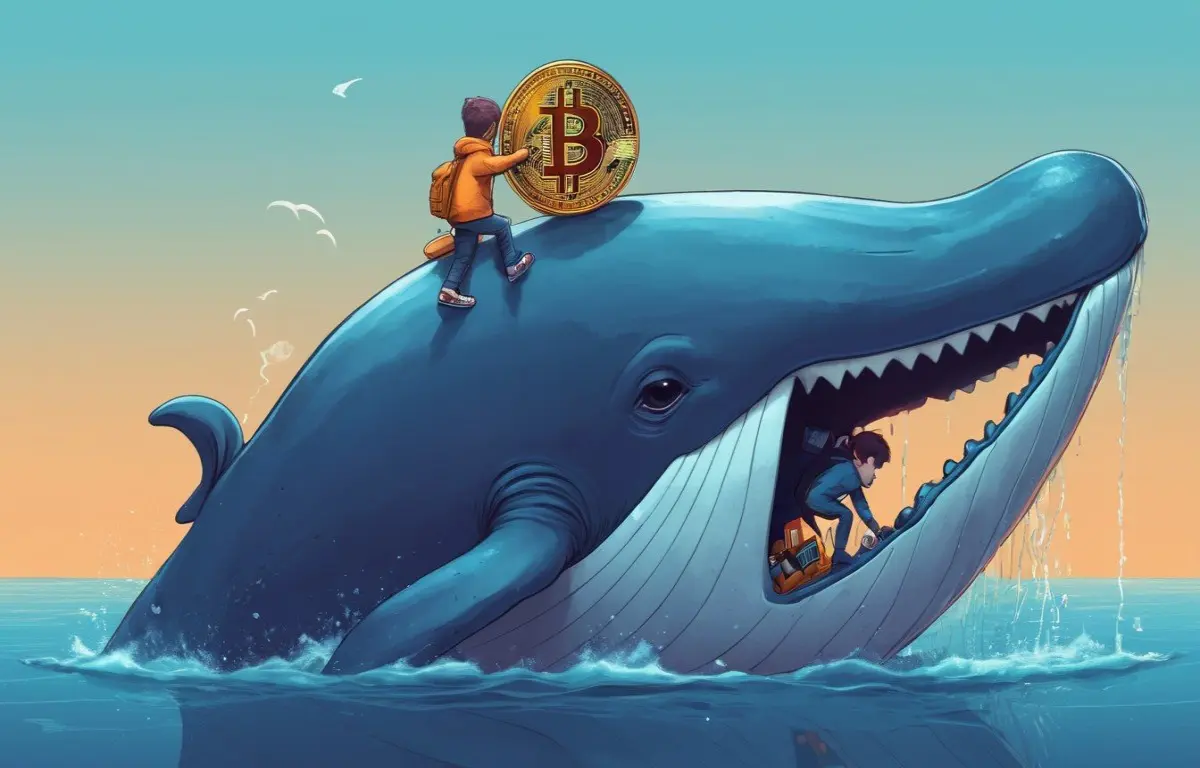
AI image generated using https://www.freepik.com/ai/image-editor
Initial Token allocation done by projects, influences price decline patterns of token!
Later I will come to a particular MATIC token news, that mentions that one reason why Matic price may have kept falling on 2023 whenever Matic price hit 1$ from Feb to June period maybe because of offloading of Matic tokens by one particular address
It’s interesting that this further relates to the subject of tokenomics.
One aspect of tokenomics is distribution of tokens, the percentage of tokens allocated to team, early angel investors, kept for ecosystem development, distributed to the community etc. Every project should mention about its token allocation and distribution plans in their whitepaper.
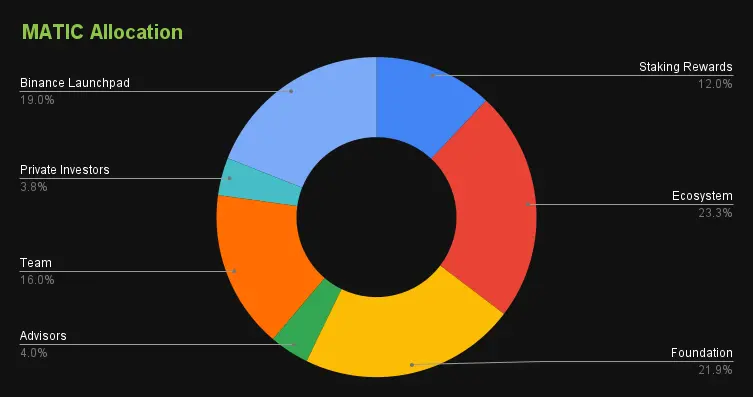
Source. Matic Token allocation chart
To prevent token price declines due to selling pressure from angel investors for instance who get vast amount of tokens for their early contribution, there is always a vesting period.
Here a vesting Smart Contract is programmed to periodically distribute tokens to wallet addresses of angel investors, so such investors have only a portion of tokens to sell every year than having the full quality of tokens they are eligible to get being available for them to sell all at once!

AI image generated using https://www.freepik.com/ai/image-editor
So, price decline impact of tokens when sold by these angel investors is less due to vesting.
Generally, over a period of time , the amount of tokens held by decentralised community of a project increase if they are stakeholders in the project, partaking in the activities of staking, liquidity providing etc.
There may be a Staking smart contract that periodically distributes tokens to stakers as well, with a portion of tokens that is allocated to be distributed to stakers released periodically.
Eventually, tokens get distributed evenly, so decentralised community hold major proportion of tokens, rather than angel investors, team, so price changes due to selling activities by any group does not have any major effect on the price of a token.
This is because community comprises of a large number of small stakeholders, so their trading activities will have less impact on price of project's token.
Well, I tried my best to outline my understanding of one aspect of tokenomics, on how this influences token price of project. Now, with this background known, its easier to understand the Matic News story I am going to discuss in my next article. Stay tuned for that!!
You can read my Articles in these platforms -:
Hive —
https://ecency.com/hive-150329/@mintymilecan
Medium - https://medium.com/@kikctikcy





