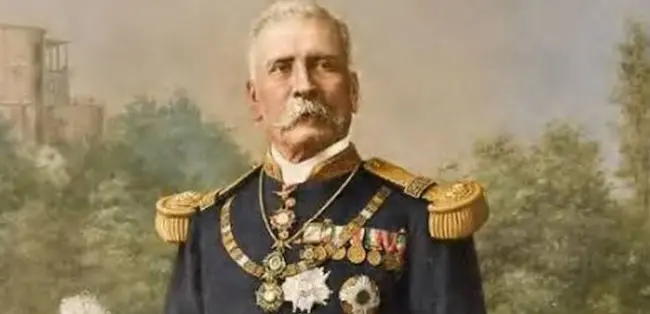
Esta frase se atribuye popularmente al presidente Mexicano Porfirio Díaz (1830 - 1915) que gobernó el país por 30 años (1877 a 1880 y de 1884 a 1911), a este periodo se le conoce como "El porfiriato".
Durante esta etapa el país alcanzó un tremendo esplendor económico y cultural, numerosas empresas extranjeras invertían en México a costos muy reducidos y sacando buenas ganancias, el capitalismo vivía sus años dorados y la explotación laboral con el beneplácito del gobierno parecía que no tendría fin.
Y es que a principio de su gobierno, México vivía una situación sumamente precaria, por lo que era vital atraer capitales extranjeros y dar todas las concesiones posibles a fin de que vinieran a invertir en el país. Pero eso fue como venderle el alma al diablo, unos pocos se enriquecieron (los inversionistas y la clase gobernante) mientras que el país estaba en la miseria; parece ser que con el tiempo Díaz se arrepentiría de lo que había hecho y exclamó la frase del día de hoy.
"Pobre de México: tan lejos de Dios y tan cerca de los Estados Unidos", y es que ya no había marcha atrás: los extranjeros eran dueños de los trenes, fábricas, telégrafos, refinerías, etc, y querer ponerse en contra de ellos era contraproducente, Estados Unidos saldría a defender a sus empresarios y más aún por aquellos años se vivía la expansionista Doctrina Monroe: "América para los americanos" (o mejor dicho, para los norteamericanos, recordemos que Estados Unidos le arrebató a México la mitad de su territorio).
Así que no había nada que hacer con el voraz vecino, solo mantenerlo contento y darle lo que quería y dejar que las cosas siguieran en paz. Se atribuye a Porfirio Díaz haber creado esta frase, pero en realidad ya se había usado con anterioridad y el fue quien la popularizó.
This phrase is popularly attributed to the Mexican president Porfirio Díaz (1830 - 1915) who governed the country for 30 years (1877 to 1880 and from 1884 to 1911), this period is known as "The Porfiriato".
During this stage the country reached tremendous economic and cultural splendor, numerous foreign companies invested in Mexico at very low costs and making good profits, capitalism was experiencing its golden years and labor exploitation with the approval of the government seemed to have no end.
And at the beginning of his government, Mexico was in an extremely precarious situation, so it was vital to attract foreign capital and give all possible concessions so that they would come to invest in the country. But that was like selling your soul to the devil, a few got rich (investors and the ruling class) while the country was in misery; It seems that over time Díaz would regret what he had done and exclaimed today's phrase.
"Poor Mexico: so far from God and so close to the United States", and there was no turning back: the foreigners owned the trains, factories, telegraphs, refineries, etc., and wanted to go against them was counterproductive, the United States would come out to defend its businessmen and even more so in those years the expansionist Monroe Doctrine was lived: "America for the Americans" (or rather, for the North Americans, remember that the United States took half of Mexico from his territory).
So there was nothing to do with the voracious neighbor, just keep him happy and give him what he wanted and let things continue in peace. Porfirio Díaz is credited with having created this phrase, but in reality it had already been used before and he was the one who popularized it.





