
Have you ever wondered what is the meaning of Web3? What is the difference between Web1, Web2 and Web3? In this article I will try to explain it to you. I would like to point out that it is very difficult to trace indicative dates to say when one era ends or another begins. It is something indicative.
WEB1 (90's)
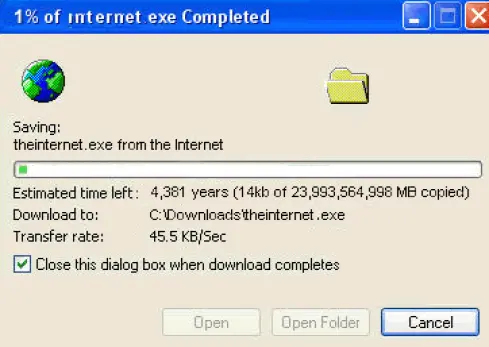
The Web1 was born in the 90s and reaches up to the 2000s: basically it is the primordial web. You will remember the birth of the first search engines (Yahoo, Google, Libero, Lycos, etc), the first (basic) websites, the spread of the first music audio (Midi), the first (shy) audio streaming services, gif , jpegs. The fundamental characteristic is the unidirectionality of the information and certainly the slowness of the connections. You surely have sailed with the 56k. Then came ISDN (128k), finally ADSL and fiber optics.
WEB2 (NEW MILLENNIUM)
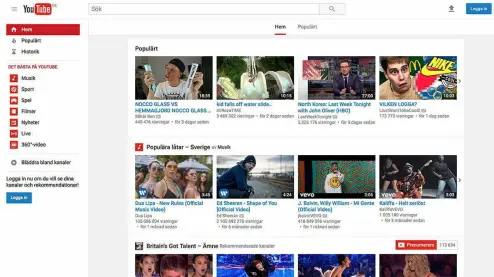
Web2 can be started with the birth of the first forums, blogs, social networks, music services such as Deezer, Spotify, etc. It has allowed interaction between users and the sharing of contents (Youtube, Facebook, Twitter, etc). Content created by online users thanks to economic incentives (think of Google Adsense for example). However we are in an almost monopolistic system. Google decides how much (and if) to pay you. If you publish videos on Youtube, Google will decide if they are good or not (and how much to pay you). The same goes for artists and also on other platforms (be it Netflix, Deezer, Spotify, etc). This is called "centralization". They collect your data, your interests, your content and pay you a percentage. Another problem is censorship and you can do little about this.
WEB3 (RECENT YEARS AND FUTURE)
The substantial difference is the lack of intermediaries, in the protocol you can manage: assets, data, voting rights, payment, AI and identity (domains, avatars, etc). Web3 is open source and is based on ownership of its own assets (data). Everything you create is yours. This is made possible by:
-decentralized infrastructure
-open source smart contracts that always execute the code, with no possibility of appeal
-digital assets (real estate, metaverse, virtual assets, digital currency, avatars, gaming, etc)
The concept of identity is very important: the idea of having private and public keys for a single identity that allows you to log in to any site. Kind of what Unstoppable Domains is trying to do. There are other services that are trying to replace Web2. Among the best known, we can also mention Ethermail which aims to replace the old e-mail (you can also receive EMC upon registration which will entitle you to an airdrop when the EMT token is launched).
World Wide Web --> Unstoppable Domains
E-Mail --> Ethermail
Chrome --> Brave
Dropbox --> Filecoin
Twitch --> Theta TV
Youtube --> Odysee
Facebook --> Torum
Twitter --> Nostr
Google --> Presearch
Paypal --> Bitcoin
Wallet --> Metamask
Gaming --> Blockchain Gaming
Fantasy Sport --> Sorare
We are still a long way from that. We can define ourselves as early adopters, however in a few years the adoption will be inevitable.
Are you interested in ways to earn crypto bonus? Check it out here: Some Sites To Earn Crypto Bonus (Old & New)






