
One of the events that could facilitate the adoption of Bitcoin worldwide is certainly the introduction of spot ETF. In general, these are investment funds listed on the stock exchange that facilitate the process of exchanging securities, as if they were ordinary shares.
ETF track the performance of one or a group of assets. A bit like in Trading, the price is bought and not the asset itself. For example, a Bitcoin spot ETF will track the real price of BTC (including volatility). An ETF can be listed on multiple markets, without the platform having to deal with the technical complexity of integrating the Bitcoin protocol, or other cryptocurrencies (without considering management, security, updates). Through ETF there is not even the need to have a wallet (and this could clearly be a negative aspect, considering the reason because Bitcoin was born). As far as legality is concerned, for an ETF to work, the company issuing it must be registered with the corresponding authority, which in this case is the United States Securities And Exchange Commission (SEC). The purchase can therefore only take place on regulated exchanges and with licenses to operate, as well as with insurance in order to protect the investor from scams, hacking and price manipulations.
Another benefit is that spot ETF can be bought and sold at any time, just like a stock so they are 100% liquid. Another advantage is that with an ETF you can "buy" an entire index without having to invest in each of its shares.
FUTURE ETF
In 2017 Cameron and Tyler Winklevoss proposed an ETF for Bitcoin, which the SEC rejected calling it Winklevoss Bitcoin Trust. The reason for the rejection at the time was that BTC was traded on largely unregulated exchanges, with a high risk "of fraud and price manipulation." Cboe Global Markets (CBOE), later promoted the creation of futures ETF for BTC.
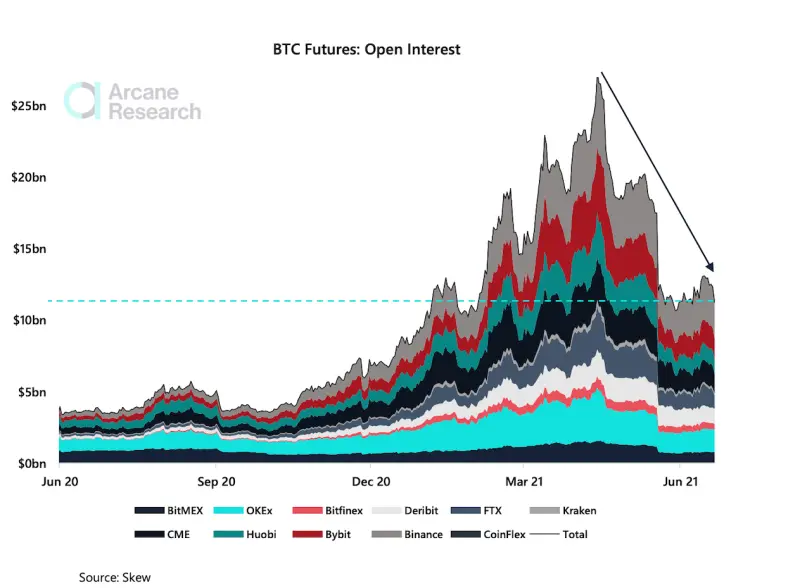
On October 19, 2021, the ProShares Bitcoin Strategy ETF began trading in what would become the first Bitcoin-related ETF. The fund, which trades under the ticker BITO, has tracked the prices of the Bitcoin/Dollar (BTC/USD) pair via futures contracts traded on the Chicago Futures Exchange and is now listed on the New York Stock Exchange. Although the fund allows its investors to short BTC, the ProShares ETF mainly differs from other ETF because its value is not directly tied to the current price, but rather follows the future price. A Bitcoin futures ETF is a publicly traded security that shows the price movements of Bitcoin futures. Futures are basically agreements between traders to buy or sell Bitcoin at an agreed-upon price on a certain date, regardless of what happens to the price on or before that date. In cryptocurrency futures trading, traders do not own the underlying asset who are buying or selling: as mentioned, this is a contract for the purchase or sale at a future date.
SPOT ETF
Spot ETF give investors direct access to the price of Bitcoin by selling shares that track the actual price of the asset. That is, you buy BTC at the spot market price.
Direct access to the price of Bitcoin is why the SEC has been delaying the event for years: fear of fraud and price manipulation. To get Spot Bitcoin ETFs approved, cryptocurrency exchanges need to provide transparent data to their customers so that any breaches can be easily monitored. However, proponents of cryptocurrencies believe this violates the idea behind why cryptocurrencies came about.
DIFFERENCES BETWEEN FUTURES AND SPOT ETF
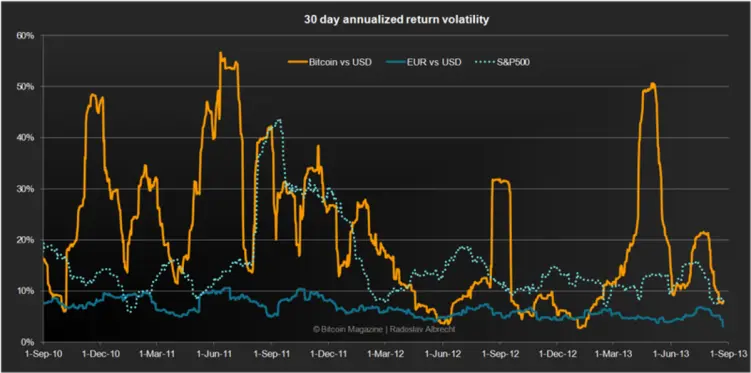
The main difference between a futures ETF and a spot ETF is ownership. In a futures ETF, traders do not own any Bitcoin – they just need to enter into an agreement on the price of Bitcoin on a certain date in the future. Spot ETFs instead require investors to actually hold Bitcoin, which they can then sell at will. Second, spot ETF allow investors to buy stocks based on the actual price of Bitcoin at the time of trade, while ETF futures will trade based on the price of Bitcoin futures (i.e. the price at contract expiration). The price of contracts can vary significantly from the actual price of Bitcoin, making it less than ideal for the average investor with no knowledge of cryptocurrencies. Success depends on the ETF's ability to accurately track the price of Bitcoin (which isn't simple of course). Instead, through a spot ETF there is no future "prediction" but the actual price of BTC is bought (with all the advantages we have seen before: regulations and easier management by the platforms that offer trading). An advantage in Bitcoin futures is that since the price is agreed in advance, there are no volatility issues. Whatever happens to the price of Bitcoin doesn't affect the deal, so this removes the volatility (whereas with spot, the price is obviously volatile). In general, spot ETF would allow investors in traditional financial markets to get to know Bitcoin and buy it in a regulated way. This could be a good way to convince institutions to invest in cryptocurrencies especially in a difficult period like this.
Are you interested in ways to earn crypto bonus? Check it out here: Some Sites To Earn Crypto Bonus (Old & New)





