
A model that has become widely used in DeFi since 2025 is token buybacks with a portion of the fees generated. All extremely inflationary tokens plummet in price over the years due to issuance (inflation). Models like $Dot, $Atom, $Fil and even more so any DeFi token with "farm and dump" and continuous "unlocks," have only downward graphs. Token issuance, in addition to incentivizing liquidity attraction (LP) and staking, also serves to provide a false illusion of profit. A mechanism that limits inflation is essential, and this can only be achieved by using a portion of the revenues a protocol generates. This mechanism is called "buyback."
It should be emphasized that these mechanisms can have positive effects on the long-term price if:
1) The protocol attracts users and produces real yield (fees).
2) If they are not sporadic (single events).
3) If burns (deflation) are higher than issuance (inflation).
Not all buyback mechanisms are the same and can vary: there are at least three types.
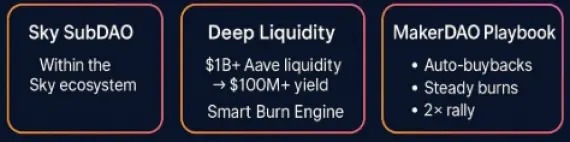
BUYBACK AND BURN (SKY MONEY/MAKER, RAYDIUM, JUPITER, UNISWAP, CHAINFLIP).
In this case, tokens are bought on the market and sent to dead addresses (without a private key). Sky Money ($Sky) also uses redistribution (which we'll see below). Raydium buys back $Ray with part of the fees generated by its AMM and LaunchLab and then burns them. Jupiter also buys back $Jup with part of the fees; after accumulating them, the DAO decided to burn them. Uniswap will also burn $Uni based on its revenues (swap fee), the proposal is also retroactive and will burn supply as if it had been active since 2020. For $Flip, too, as Chainflip usage increases, tokens are bought back and burned.
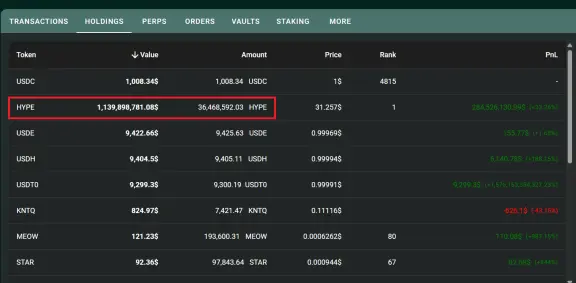
BUYBACK AND ACCUMULATION (HYPERLIQUID, PUMP FUN, LAYERZERO, ETHERFI)
A large portion of the trading fees generated by Hyperliquid (exchange) are accumulated and then used to buy $Hype on the market (Assistance Fund accumulated more than $36 million in $Hype in November). PumpFun also buys $Pump using the fees generated by its trading platform. LayerZero buys $Zro with part of the fees generated by the Stargate bridge. EtherFi buys back $EthFi with treasury funds when the price drops below a dollar threshold. In these cases, the tokens are accumulated, creating a fund that can be used for various purposes in the future.
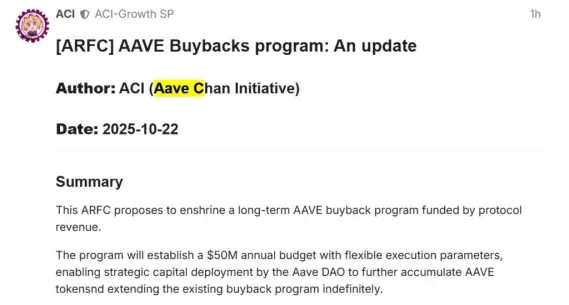
BUYBACK AND REDISTRIBUTION (AAVE, MAPLE FINANCE)
Buybacks on the Aave lending platform are used to incentivize the ecosystem through rewards for depositors ( $Aave and other token). Maple Finance for $Syrup staking has stopped inflationary issuance, using 25% of Maple Finance's revenue (RWA) to perform a buyback and redistribute it to stakers (true yield, not inflation).
Other tokens that use buyback: $Bnb, $Crv, $Cake, $1inch, $DyDx, $Leo.
Please note, this is not financial advice. If you're interested in purchasing one of these tokens, you should do your own research first.
Are you interested in ways to earn crypto bonus? Check it out here: Some Sites To Earn Crypto Bonus (Old & New)






