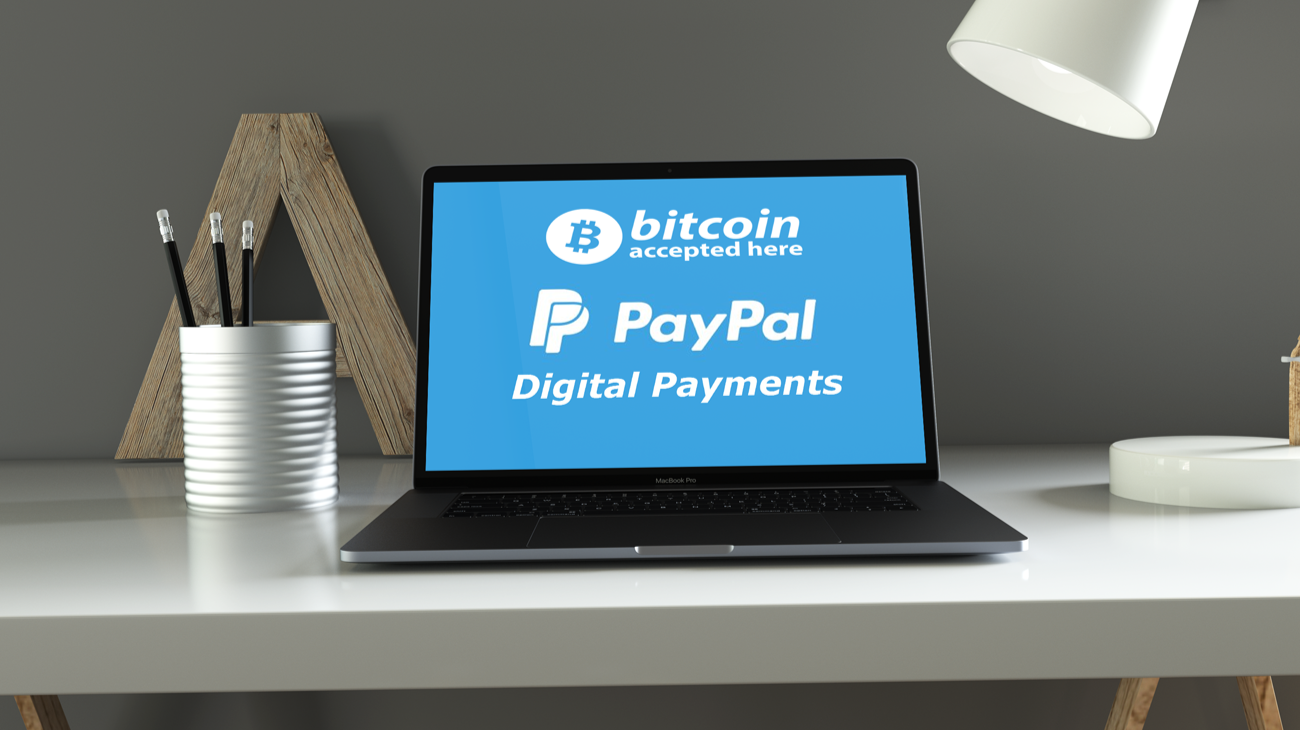
Those who are dedicated to hunting Satoshis through legal activities, using their tools that internet and its ecosystem have available to them, have been directly benefited by the acceptance of Bitcoin by PayPal, one of the 'giants' in digital payments. Although many refuse to accept it, they continue to have an advantage in reference to other competitors such as AirTM, Paxos, MoneyGram, ect.
The fact that such a platform - of massive acceptance and popularity - allows the direct link –or crossing– between the digital monetary system (cryptocurrencies) and the world banking system –which is also digital but brings the conversion of such assets into cash, is a great advance. for those who have benefited from this new initiative. For now, only eligible PayPal users who are in the United States will be able to make use of this service, which greatly benefits the platform’s owner by granting him greater liquidity in Bitcoin, digital gold that is not yet attractive enough to, at least, 80% of the world's population.
This looks very promising, why do you say it is a double-edged sword?
Very easy. Not all of us have good intentions. Although today Bitcoin - and other superior cryptocurrencies - provide economic well-being to many people in the world - especially in third world countries, where access to currencies is limited - there are also bad people who can receive illicit financing from anywhere in the world using Bitcoin and exchange it into fiat money within the United States (for now, being the only country where this service has been launched). This is not good news for anti-money laundering agencies, and even the Federal Reserve. They will have a lot of work to do from the moment PayPal's full adoption of cryptocurrencies begins (first quarter of 2021).
Read also: Cryptocurrency Regulations in The United States.
Although it is true that neither PayPal nor the United States have any connection with internal legal regulations of the rest of the countries, some of their sanctions (OFAC, among other agencies) to economic systems of small countries end up aunffecting the purchasing power of all citizens of these places, practically forcing them to use digital means of payment - such as Bitcoin and other cryptocurrencies - when fleeing the inflationary phenomenon of their internal circulation currencies.
Is the world ready for a massive adoption of cryptocurrencies as a form and remote payment gateway?
I believe that there is still a long way to go in this matter, since greater - and better - legal regulations must be in place to address the intersection between digital money - cryptocurrencies - and fiat money. This does not imply prohibitions of greater impact for merchants, but on the contrary: the massification of these payments must be for the benefit of society and its stability, not to cause chaos nor make apologies for crime anywhere in the world.