
Are you wondering "does my DAO need a crypto license in 2026?" Learn how to avoid frozen accounts and secure a Canadian MSB for your DeFi project in weeks.
Sarah Jenkins had flawless Web3 technology, but she lacked the "paper."
As the CEO of GlobalNode, a B2B platform for cross-border stablecoin settlements, Sarah was on the verge of signing a $5 million annual contract with a major European logistics client. Her tech worked perfectly. But right before signing, the client's legal department hit the brakes. They demanded proof that GlobalNode was a regulated financial intermediary operating within a top-tier G7 jurisdiction.
Sarah consulted a traditional law firm, only to be quoted $60,000 in legal fees and a 12-month waiting period for a standard approval. The client walked away, delivering a brutal reality check: "We love the product, but we can't risk the AML exposure. Call us when you're licensed."
Like Sarah, many technical founders still wonder if they can open a crypto business bank account without license risks. The short answer is no. That lost $5 million contract exposes the most dangerous trap in the Web3 space today: the Decentralization Illusion.
There is a widespread myth that if your project is a DAO (Decentralized Autonomous Organization) or a DeFi protocol, "code is law" and traditional financial regulations simply do not apply to you. But in 2026, regulators and Tier-1 banks do not care how decentralized your smart contracts are. If your protocol touches fiat currency, pays developers in the real world, or acts as a financial bridge, you are viewed as a regulated entity under the latest IOSCO Decentralized Finance Policy Recommendations.
Operating under the illusion of total decentralization without a solid crypto compliance framework is leaving brilliant projects completely unbankable and unable to access basic financial services.
In this guide, we will break down exactly why "just being a DAO" is a regulatory death trap, why heavyweight jurisdictions like Dubai might crush your startup, and how smart founders are legally wrapping their decentralized projects with a Canadian MSB license to secure instant banking access.

Like Sarah, many technical founders wonder if they can open a crypto business bank account without license risks. The $5M answer is no.
Why "Just Being a DAO" is a Compliance Death Trap
For years, Web3 founders like Sarah hid behind the mantra that "code is law." The theory was simple: if there is no central CEO, no physical headquarters, and operations are governed entirely by smart contracts, then traditional financial regulations do not apply.
In 2026, this is a dangerous illusion. Regulators and Tier-1 banks are no longer fooled by decentralized governance models. Instead of looking for a traditional corporate board, authorities now hunt for the "controlling minds"—the core developers holding the multi-sig keys or the entities managing the front-end interfaces.
When developers ask, "do DeFi protocols need an MSB license in 2026?", they often forget about the ultimate reality check: the fiat bottleneck. GlobalNode had millions in volume moving seamlessly on-chain, but as Sarah quickly realized, a smart contract cannot sign a corporate B2B agreement.
Here is exactly why operating purely as an unregulated DAO will eventually paralyze your project:
-
The Operational Wall: You cannot pay for AWS servers, top-tier legal counsel, or mainstream marketing agencies using decentralized tokens. Real-world vendors require fiat currency, which means your project desperately needs a compliant fiat-to-crypto bridge. Operating without one is a gamble that even the giants lost; look no further than the historic $4.3 billion DOJ resolution against Binance, which proved that failing to register as a money transmitting business is a fatal mistake for any global crypto platform.
-
The Contributor Exodus: Your top developers and community managers live in the real world. They need to buy houses, pay taxes, and secure mortgages. They require clean, bank-approved fiat payrolls, not just random on-chain stablecoin transfers that traditional banks will instantly reject.
-
The "De-risking" Threat: If you attempt to wire funds from a decentralized treasury to a traditional bank account without a recognized crypto compliance framework, banking algorithms will flag it immediately. Just like Sarah's European client feared, your corporate accounts will be frozen under Suspicious Activity Reports (SARs) as banks tighten their monitoring to meet the Financial Action Task Force (FATF) standards for Virtual Asset Service Providers.
To survive and scale, your DAO needs to interact with the traditional banking system. To do that safely, you need a legally recognized Operating Entity that holds the proper licenses to act as your bridge.
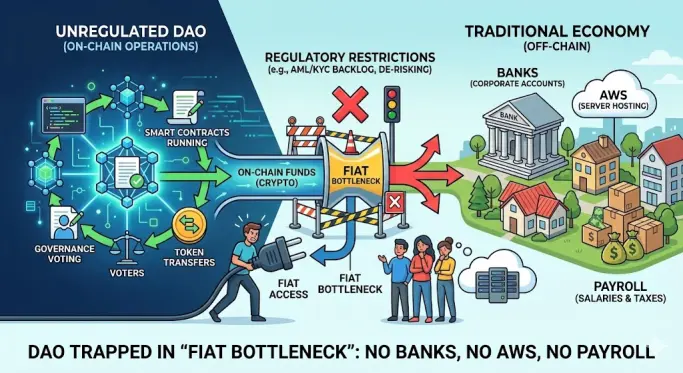
Blocked Flow: Without a legally recognized Operating Entity, your decentralized treasury cannot safely interact with the traditional banking system, AWS, or Payroll.
Dubai (VARA) vs. Canada (FINTRAC): The 2026 Crypto License Showdown
After losing that $5 million contract, Sarah knew GlobalNode urgently needed an Operating Entity to survive. Her immediate question—like that of many Web3 founders—was: "Where should we incorporate?"
Her first instinct was to fly to Dubai or wait for the European regulations to settle. But in 2026, the regulatory landscape has shifted dramatically. What used to be a decentralized "crypto haven" is now a bureaucratic nightmare for a lean, fast-moving startup.
When her legal advisor showed her the reality of a Canadian MSB vs MiCA crypto license or Dubai’s VARA framework, the difference in speed to market and capital requirements was staggering.
Here is exactly what Sarah discovered during her own crypto license showdown:
┌─────────────────┬──────────────────────┬──────────────────────────┐
│ Feature         │ Dubai (VARA)         │ Canada (FINTRAC)         │
├─────────────────┼──────────────────────┼──────────────────────────┤
│ Minimum Capital │ $100k+ (High)        │ $0 (Zero)                │
│ Physical Office │ Mandatory in UAE     │ Not Required (Remote OK) │
│ Local Director  │ Mandatory Resident   │ Not Required             │
│ Time to Market  │ 4 to 8 Months        │ Weeks (Ready-Made MSB)   │
│ Best Suited For │ Institutional Giants │ Agile DeFi / DAOs / Web3 │
└─────────────────┴──────────────────────┴──────────────────────────┘
Crypto license in Dubai (VARA)| Traps:
While Dubai offers great marketing appeal, the reality of obtaining a VARA license is heavy, corporate, and slow.
-
Capital & Substance: To get approved, Sarah would have to lock up substantial minimum capital (often upwards of $100k depending on the activity), rent mandatory physical office space, and hire local resident directors.
-
Time to Market: A new application would leave her stuck in a 4 to 8-month waiting period. Sarah didn't have 8 months; her competitors were already stealing her clients.
-
Catastrophic Risk: The UAE Central Bank recently tightened its grip, and operating unregistered tools can now trigger catastrophic fines. Today, Dubai is a playground for institutional giants, not agile DeFi projects.
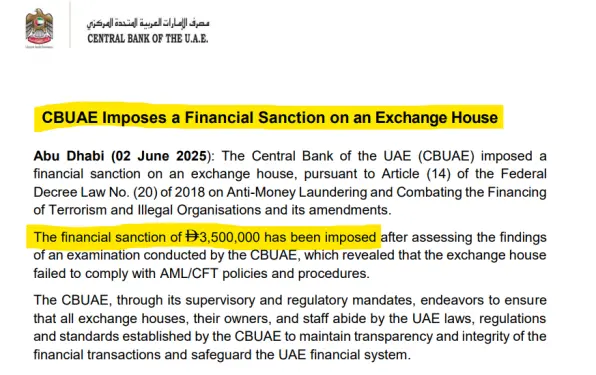
Real-world consequences: A 2025 CBUAE enforcement action resulting in a 3,500,000 AED fine for AML/CFT non-compliance. Dubai is no longer a "light-touch" jurisdiction for crypto-adjacent businesses.
Crypto License in Canada (FINTRAC) | Advantages
Canada takes a fundamentally different approach. Instead of taxing your startup's runway, it focuses strictly on Anti-Money Laundering (AML) robustness.
-
Lean Operations: There is absolutely zero minimum capital requirement. Sarah was not forced to rent an expensive physical office in Toronto, nor did she need a local Canadian director to act as a figurehead.
-
G7 Prestige: Operating under FINTRAC gave her stablecoin protocol the ultimate "trust badge." European clients and Tier-1 banks highly respect Canadian entities because they belong to the elite G7 standard.
-
Unmatched Speed: Best of all, by acquiring a Pre-Approved Shelf MSB, Sarah realized she could bypass the standard application line entirely and be operational in a matter of weeks, not months.
For a DAO or DeFi protocol looking to build a compliant fiat-to-crypto bridge today, you don't need a heavy, expensive Middle Eastern headquarters. Like Sarah, you need a fast, respected, and lean legal wrapper.

Sarah’s Showdown: Comparing the heavy corporate anchor of Dubai VARA vs the lean G7 speed of a Canadian FINTRAC MSB.
💡 Strategic Deep Dive: If you want a complete breakdown of how this 12-month shortcut applies to other business models—like CEXs, iGaming, or Payment Gateways—check out our foundational guide Do I Need a License for a Crypto Startup in 2026? How to Skip The 12-Month Wait
The "Operating Entity" Model: The Best DAO Legal Structure for Fiat-to-Crypto On-Ramps
Sarah didn't want to destroy the decentralized nature of GlobalNode. She just needed a compliant bridge to the traditional financial system. That is when her advisor introduced her to the "DevCo" or Operating Entity model.
This model is the ultimate regulatory hack for 2026. It allows your project to remain totally decentralized on-chain while maintaining a fully compliant, bankable anchor in the real world.
Here is exactly how this dual structure works:
-
The Protocol (On-Chain): Your smart contracts, liquidity pools, and DAO treasury remain untouched. There is no central CEO, and the community governance continues to run autonomously.
-
The Operating Entity (Off-Chain): You establish a separate, centralized corporate entity (a "DevCo") in a respected jurisdiction. This entity holds the necessary licenses, opens the corporate bank accounts, signs B2B contracts, and acts as your legal fiat-to-crypto bridge.

The best DAO legal structure for fiat on-ramps. GlobalNode's DevCo model connects the crypto DAO to G7 banking while remaining decentralized.
The strategy is brilliant, but there is one major bottleneck: applying for a new license for this Operating Entity from scratch can take anywhere from 6 to 12 months due to massive regulatory backlogs. Startups simply do not have the runway to wait a year to launch their fiat-to-crypto on-ramps.
This is where the 2026 shortcut changes the game. By buying a Ready-Made Canadian MSB shelf company, your DAO secures its legal wrapper in a matter of weeks. Instead of waiting in the bureaucratic application line, you acquire a corporate entity that is already fully registered with FINTRAC, has a clean history, and holds the active compliance status you need.
For Sarah, this was the exact lifeline she needed. She acquired a pre-approved Canadian MSB, updated its AML compliance program, and handed the active FINTRAC registration number to her European client's legal team. Ten days later, the $5 million contract was signed.
She kept her Web3 technology decentralized, but she wrapped it in a G7 legal wrapper.
3 Warning Signs Your DeFi Protocol Needs a Compliance Wrapper Today
Sarah learned the hard way that you usually don’t realize you need an Operating Entity until the exact moment a major deal falls apart or your funds are frozen. She lost a $5 million contract because she waited too long to get her legal structure in place.
Don't wait for a catastrophic banking freeze or a rejected partnership to take action. If your project is scaling in 2026, here are the three major red flags indicating that your DAO desperately needs a compliance wrapper right now:
1. You have fiat-to-crypto gateways or credit card integrations
If your protocol allows users to buy tokens using fiat currency (whether through credit cards, Stripe, or direct bank wires), you are no longer just a piece of decentralized code. You are facilitating money transmission. Without a recognized crypto compliance framework—like an active Canadian MSB—traditional payment processors will eventually flag your operations and permanently shut off your fiat access.

Blocked Flow: Attempting to integrate fiat access without a compliant Canadian MSB wrapper will eventually flag your DeFi operations and permanently shut off your access.
Establishing your own G7 Operating Entity isn't just about compliance; it's about ownership. If you are currently relying on third-party providers for your fiat-to-crypto flow, you are stuck in what we call the 'Renters Trap.'
To understand how to break free from this dependency and own your payment rails—including issuing your own cards—read our previous deep dive: How White-Label Crypto Cards Fix the 'Renters Trap' in Web3
2. You want to list your governance token on a Tier-1 Exchange
Major centralized platforms like Binance or Kraken will no longer list tokens from "faceless" DAOs in 2026. To pass their rigorous compliance committees and secure a listing, you must provide a formal legal opinion backed by a registered corporate entity in a respected jurisdiction meeting the G7 standard.

The Exchange Bottleneck: Major platforms will not list governance tokens from "faceless" DAOs. You need the G7 prestige of an active Operating Entity to pass compliance committees.
3. Your core team needs to liquidate stablecoins to traditional bank accounts
Your developers cannot pay their mortgages or taxes directly in USDC. If your core contributors are frequently cashing out stablecoins to their personal bank accounts without a compliant corporate payroll structure, it is only a matter of time before their banks trigger Suspicious Activity Reports (SARs) and freeze their personal assets.
If even one of these warning signs applies to your Web3 project, you are operating on borrowed time. You cannot afford to wait for a 12-month traditional application process while your runway burns.
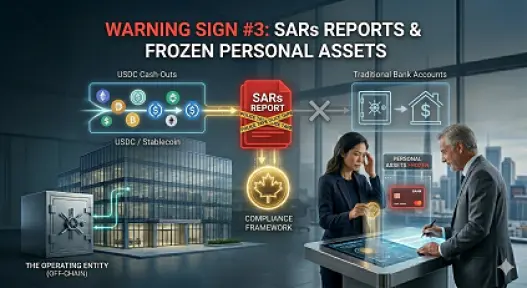
The Duskside Reality: Frequent stablecoin off-ramping to personal bank accounts without a compliant corporate payroll structure will inevitably trigger SARs reports and freeze your assets.
Secure Your Crypto License in 2026 Before the Next Bank Freeze
You can build the most innovative decentralized protocol in the world, but if your core team cannot pay for real-world expenses or your users cannot access fiat on-ramps, your project will inevitably hit a wall. As Sarah Jenkins learned, being completely decentralized on-chain does not protect your business from being "de-banked" in the real world.
The regulatory landscape has permanently shifted. Today, if you are serious about scaling, securing a crypto startup license in 2026 is your ultimate marketing asset. It is the key to unlocking Tier-1 banking rails, closing multi-million dollar B2B contracts, and listing your governance tokens on major exchanges without fear of regulatory backlash.
You don't need to navigate the heavy, 12-month bureaucratic traps of Dubai or Europe. By wrapping your DAO or DeFi protocol in a lean, fast, and globally respected Canadian MSB, you can establish your compliant Operating Entity in a matter of weeks.
Ready to build your fiat-to-crypto bridge? Don't wait for a catastrophic banking freeze or a lost contract to take action. At Chainnova Finance, we hold an exclusive inventory of Pre-Approved, Ready-Made Canadian MSB shelf companies with clean histories, ready for immediate ownership transfer.
👉 🌐 Visit Chainnova-Finance.com to learn more about our corporate legal wrappers, or just Message our specialist on Telegram to check our current inventory and secure your legal wrapper today.

The ultimate peace of mind. There’s no feeling like the moment you secure your G7 prestige. With an active Canadian MSB in hand, the fear of frozen accounts and rejected contracts is gone.
FAQs For Crypto Licenses: The DAO & DeFi Regulatory Reality in 2026
1. We only use stablecoins like USDC. Do DeFi protocols need an MSB license in 2026 if we don’t touch traditional fiat?
Yes, they do! Even if your protocol strictly handles stablecoins on-chain, eventually, your developers, marketers, or users will need to cash out to pay real-world bills. The moment those stablecoins hit a centralized off-ramp or a traditional bank, they are treated as fiat. Having an Operating Entity ensures those transactions aren't flagged as money laundering.
2. Buying a 'shelf company' sounds a bit sketchy... Is buying a Ready-Made Canadian MSB shelf company actually legal and safe?
It is 100% legal, safe, and a very common corporate strategy! You aren't buying a shady offshore shell; you are legally acquiring a registered Canadian corporation that has been kept "on the shelf" specifically for this purpose. We guarantee that every Ready-Made MSB in our inventory has a perfectly clean history with absolutely zero previous trading activity or hidden liabilities.
3. I'm terrified of my funds getting frozen. Can I open a crypto business bank account without license risks using this model?
Absolutely. That is the exact superpower of this strategy. Traditional banks freeze accounts when they see crypto funds coming from unregulated, "faceless" entities. By operating under a recognized Canadian MSB, you present the bank with a G7-approved corporate profile, making your business instantly bankable.
4. Everyone on Twitter is talking about Europe. When comparing a Canadian MSB vs MiCA crypto license, why is Canada better for my startup?
MiCA is a fantastic framework, but it is built for massive, institutional players. It requires significant locked capital, a physical office, local European directors, and easily 12 to 18 months of waiting. Canada, on the other hand, requires zero minimum capital and can be acquired in weeks. Canada is for agile startups; MiCA is for banking giants.
5. Will creating a corporate entity destroy our decentralized vibe? What is the best DAO legal structure for fiat-to-crypto on-ramps?
Not at all! You can keep your community governance, treasury, and smart contracts fully decentralized on-chain. The Canadian "DevCo" simply acts as your off-chain bridge. It signs the real-world contracts and opens the bank accounts so your DAO can interact with the traditional economy without compromising its Web3 ethos.
6. I live in Asia, and my developers are in LatAm. Do we have to move to Toronto to get a FINTRAC Registration for crypto?
No relocation required! One of the biggest advantages of the Canadian MSB is its flexibility. You do not need to be a Canadian resident, nor do you need to hire a local nominee director. You can own and operate your fully compliant Canadian entity 100% remotely from anywhere in the world.
7. What if we just stay under the radar? What are the unlicensed crypto exchange penalties in 2026?
Staying under the radar is no longer an option. Advanced banking algorithms now track wallet interactions. Operating without a license can lead to immediate freezing of corporate and personal bank accounts, permanent "de-risking" (meaning no bank will ever work with you), and under FINTRAC, administrative penalties that can reach up to $500,000 CAD. It’s simply not worth the risk.
8. We want to list our token on Kraken next quarter. Will a crypto startup license in 2026 help with exchange listings?
Yes, it is practically mandatory now. Tier-1 exchanges are under massive regulatory pressure. Before they list a new governance token, their compliance committees require a legal opinion from a registered entity. Presenting your Canadian MSB proves you meet G7 compliance standards, moving your token to the front of the listing line.
9. Dubai asked us for $100k in locked capital. How does Canada compare when looking at offshore vs onshore crypto licenses in 2026?
Dubai (VARA) and many offshore jurisdictions now demand heavy capital lock-ups just to apply. The Canadian MSB gives you the ultimate onshore G7 prestige with zero minimum capital requirements. You get to keep your startup's runway where it belongs: in your protocol's growth, not sitting dead in a government bank account.
10. Okay, I don't want to wait 12 months. I'm ready to move. How do I start building my crypto compliance framework with your team today?
We love your speed! The process is incredibly simple. Just message our specialist on Telegram. Let him know a bit about your DeFi project, and he will show you the current inventory of Pre-Approved Canadian MSBs. You could have your new compliance wrapper secured in just a few weeks!






