
Buying crypto often feels like a single moment: selecting an asset and watching it arrive in a wallet. The part users rarely see is everything happening around that action — how the trade is executed, what shapes the final price, what risks come with holding the asset, and how much control they retain afterward.
A purchase does not always happen exactly as expected. In traditional markets, investors manage this through limit orders, and crypto is adopting similar tools that give users more control over trade conditions. Instead of constantly monitoring price movements, users can set the price conditions they are looking for upfront and let the system execute the trade once those conditions are reached.
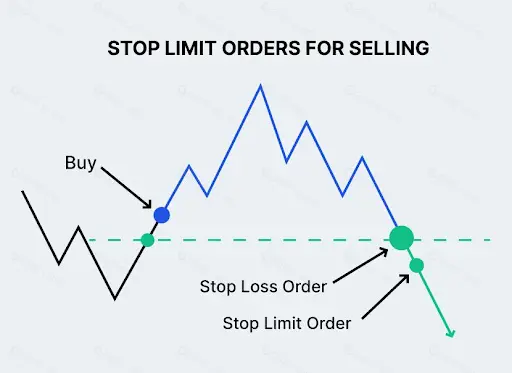
The feature implementation by ChangeNOW brings this approach into a practical workflow: users set their target price and timeframe, while the system handles monitoring and execution. The interface shifts from showing users market movements to helping them define the outcome they want.
Once the trade goes through, attention shifts from execution to the asset itself. The next decisions are about how it behaves, what risks come with holding it, and how it fits the user’s goals over time.
Holding a token involves more than tracking its current price. ChangeNOW’s analysis of token unlocks shows how future supply entering the market through vesting schedules and allocations can influence an asset’s behavior long after the transaction is completed.
Once an asset is in the wallet, ownership raises another question: how much of the user’s financial activity remains visible to everyone else?
That question becomes more important as public blockchains reveal far more than a simple payment record. They can expose balances, transaction history, and spending patterns through permanent public records. In her article on why crypto privacy matters, Pauline Shangett, Chief Strategy Officer at ChangeNOW, looks at privacy not as a way to avoid accountability, but as a way to protect ordinary users, businesses, and sensitive financial activity.
Privacy here isn’t about hiding wrongdoing. It’s about the same commercial confidentiality that’s been a basic feature of banking for centuries, finally arriving in Web3.
For privacy-focused assets, the wallet itself becomes part of the user experience. The Monero wallet comparison guide explores why storage decisions matter: choosing the right wallet helps users preserve the privacy features built into the network. As ChangeNOW’s expert Alex S. notes, “Monero uses ring signatures, stealth addresses, and confidential transactions to hide sender, recipient, and transaction amounts.”
Owning crypto also means dealing with the moments when something goes wrong. A lost wallet, an incorrect transfer, or a fraudulent transaction can quickly turn a simple holding decision into a problem of recovering access or funds. In an AML case study, Alex S. describes how cooperation with the U.S. Secret Service helped recover 5 BTC stolen through a social engineering scheme targeting a Wisconsin resident.
This case highlights the importance of real-time monitoring systems and strong AML procedures in preventing further movement of illicit assets.
Even after security and ownership questions are solved, one decision remains: whether the asset itself matches the user’s goal. Ethereum and Tether represent different use cases — one tied to network activity and applications, the other often used for transfers and value stability. Choosing an asset is also choosing what role it will play after the purchase.
That said, the biggest changes in crypto are not always visible at the moment of purchase. They appear in everything that follows: more flexible execution, clearer ownership decisions, and better ways to manage digital assets over time.
Thanks for staying with us! We'll be back soon with more insights into everyday crypto.






