If Satoshi is dead, he's definitely rolling in his grave. He brought to us one of the biggest inventions of all the times: money that can't be controlled by the government. Bitcoin should be the power house for the financial freedom - but, for some reason, people forgot about the cypherpunk movement and once again, got back to the same authorities that were trying to escape.
Bitcoin started as a global rebellion movement, a place for cypherpunks, but today is more like a government financial sector. Not only that: more people and institutions entered into the space not for the tech, neither for the freedom, but for speculation, for the ETFs and custodial platforms approved by the state.
The cypherpunk movement was build on real principles. People like Timothy C. May, Eric Hughes, and Half Finney didn't dream with ETFs from wall street or even with the regulatory landscape. They fought for privacy, the digital autonomy, for the peer-to-peer electronic money without intermediaries. That's why Eric Hughes wrote the book *Cypherpunk Manifesto* in 1993 stating: “privacy is crucial to the society in the electronic era”.
Satoshi himself followed exactly the same principles. In the first lines of the Bitcoin whitepaper, he clearly describes the problem: “electronic payments based on cryptography not in trust”. Without banks, intermediaries or permissions.
As the world advanced, the crypto industry abandoned this principle:
-
Bitcoin is dominated by big custodians
-
More than 70% of all BTC volume are conducted on centralized exchanges
-
The mining pools are so concentrated that the hashpower is under jurisdiction that can be regulated.
-
Millions of people keep their coins on platforms that anytime without notice can block their funds
-
And, the biggest community celebration of BTC was... the BlackRock ETF in 2024.
Satoshi didn't wrote a whitepaper for BlackRock to be a BTC “custodian” while the government monitor each user movements. But, that is not all the story as the original idea - electronic peer-to-peer money survived in another place.
Bitcoin Cash still carrying the cypherpunk essence as it still works like money. It didn't choose the speculation path or depend on custodians. BCH maintained enough big blocks to keep transactions cheap, the network without permissions, and utility that Satoshi coded from day one.
Real people still use BCH for real payments - from merchants in emergent economies, on online workers, travellers, content creators and entire communities building circular economies. People don't need permission to use BCH. They don't need a bank or custodians. BCH don't need a broker or ETF.
People just need a wallet and the will to be free.
The cypherpunk dream didn't die. Just changed address. And if Satoshi is watching, BCH is the fewer places where his vision still alive - still growing in the streets, in small businesses, in local communities that use crypto as money and not like a politic tool.
The cypherpunk movement didn't disappeared. It changed address.
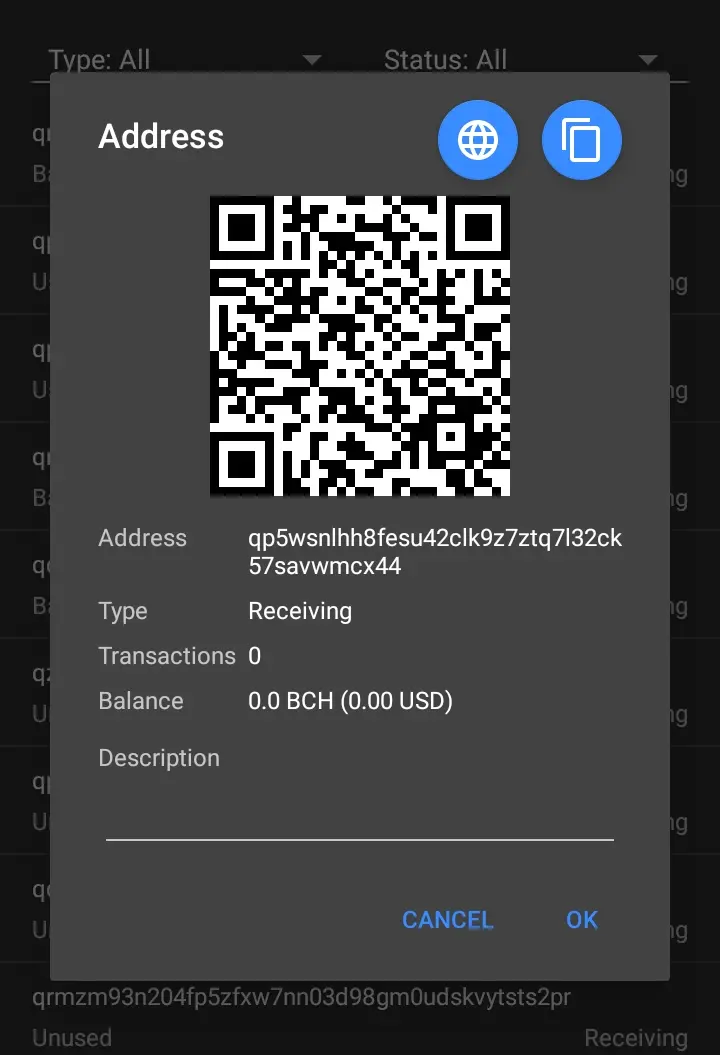
If you enjoyed this reading and believe that independent voices still matter in a space that often forgets its roots, you can support my work with a small tip in Bitcoin Cash. It’s never an obligation — just a way to help me keep writing, experimenting, and telling the stories that keep the cypherpunk spirit alive.
BCH address and QR code:
bitcoincash:qp5wsnlhh8fesu42clk9z7ztq7l32ck57savwmcx44