
The smallest international bridge in the world, only six meters wide, connects Portugal and Spain. It is a special bridge as it allows only pedestrians and cyclists to cross between the two countries. It symbolizes the connection between El Marco in Spain and Varzea Grande in Portugal, which are two towns located on either side of the bridge.
Built in 2008, the bridge crosses the Ribeira de Abrilongo river, which flows between La Codocera in Spain and Arronches in Portugal. The border between these two towns is often invisible, but the bridge has become an important part of their history and culture. This geographical reality was officially recognized in the Iberian maps after the Treaty of Lisbon in 1864. At that time, the Ribeira de Arronches was the border between Spain and Portugal, and it served as the boundary between the two nations.
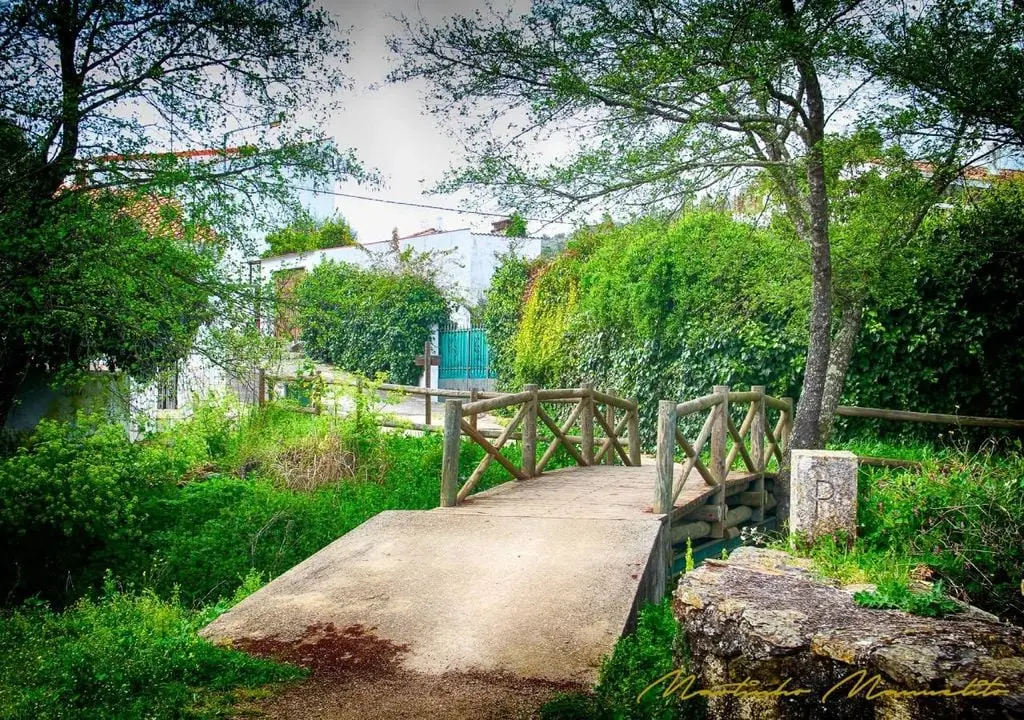
In the municipality of Arronches, there is a small wooden bridge that serves as an international border crossing between La Codocera, Spain, and Esperanza, Portugal. The bridge is only 6 feet long and 1.45 feet wide, making it a convenient and efficient way for people to cross the river.
Prior to the construction of the bridge in 2008, local residents used wooden planks to navigate the steep riverbank of Abrilongo in order to save time and effort when crossing the border. They installed basic railings on the bridge to help facilitate the crossing. However, during heavy rainfall, floodwaters would sweep away the wooden planks, causing inconvenience for those trying to cross.
This geographical landmark is a peaceful and secluded spot surrounded by chestnut, olive, and oak trees. It is a beautiful place to relax and enjoy the natural beauty of the area. The only indication that we are in a specific country is the letters carved into the stone on either side of the Abrilongo River, which read "P" and "E". These letters indicate that goods were once smuggled across the bridge and various cross-border trades took place here.
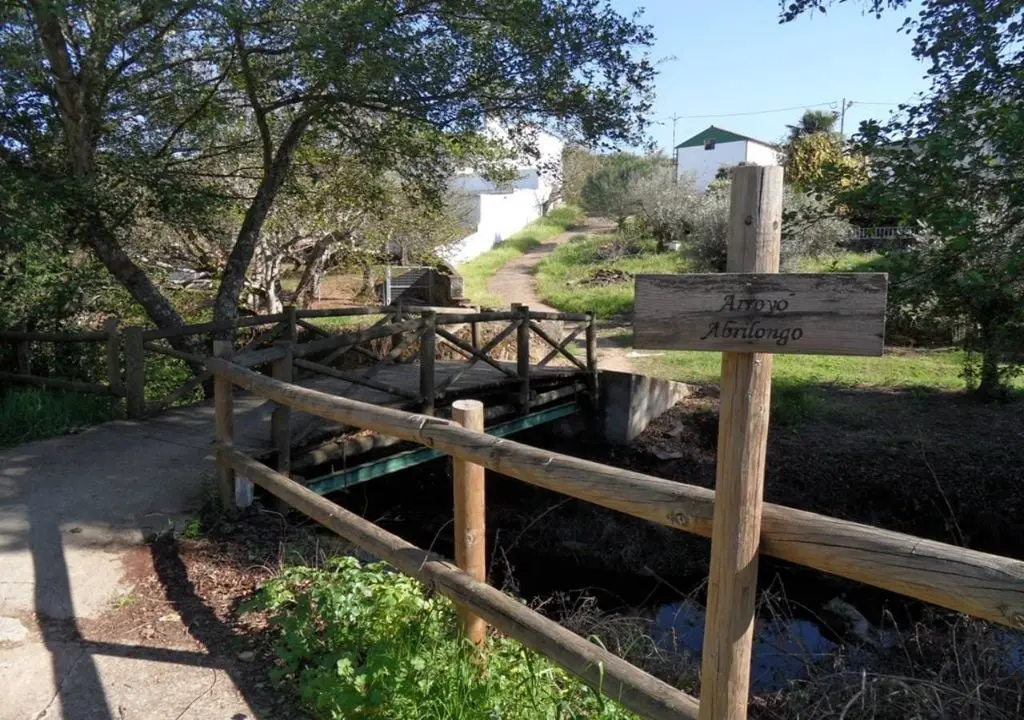
Throughout history, towels, tobacco, and coffee have been transported from Portugal to Spain, while cutlery, pottery, and wine have been sold from Spain to Portugal. This bridge, built 17 years ago at the initiative of the Arronches municipality with funding from the European Union, was designed exclusively for pedestrians, cyclists, and motorcyclists due to its small size.
This bridge represents not only a physical link between two countries, but also a strong alliance between local communities that share traditions, history, and social connections. It serves as a reminder of the rich cultural heritage of the region and the importance of preserving it for future generations.






