
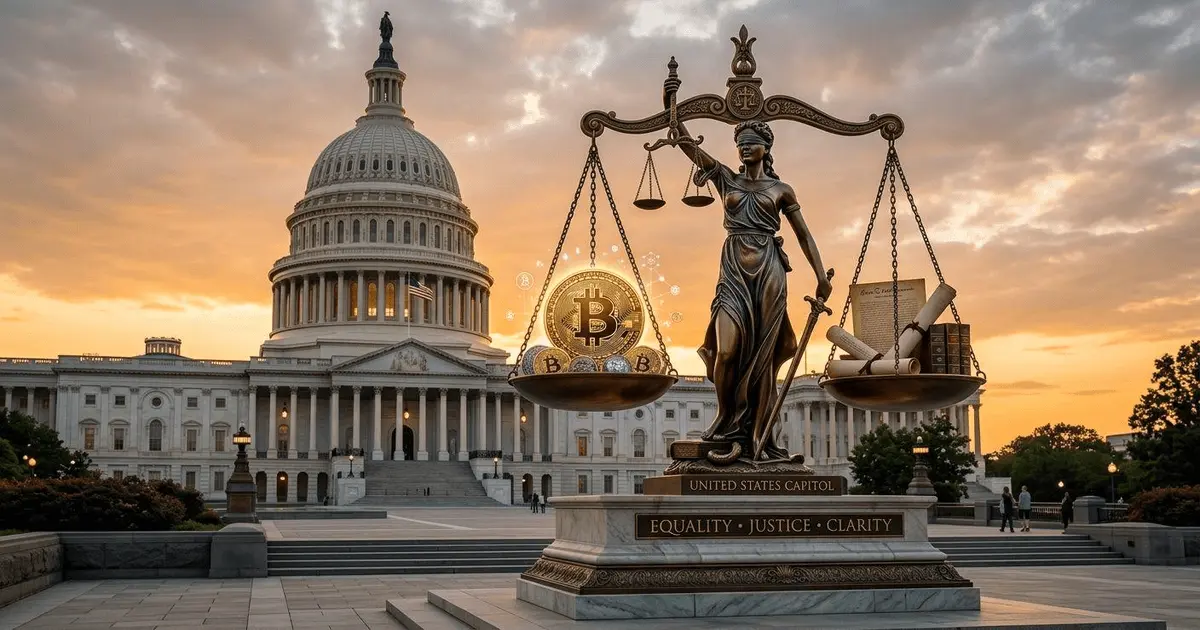
If you’ve been in the crypto space for more than a week, you know the drill: the market is a rollercoaster of volatility, usually driven by a mix of Elon Musk tweets, whale movements, and the ever-looming shadow of "Regulation."
But this week is different. On Thursday, May 14, 2026, the U.S. Senate Banking Committee is scheduled for an executive session that could change the industry's trajectory forever. At the center of it all is the Digital Asset Market CLARITY Act.
Is this just more red tape, or the fuel for the next bull run? Let’s get into the details.
1. What is the CLARITY Act? (The End of "Regulation by Enforcement")
For years, the crypto industry has complained about "regulation by enforcement" the idea that the SEC sues first and explains the rules later. The CLARITY Act aims to flip the script.
The bill establishes a formal federal framework that finally draws a line in the sand between the SEC (Securities) and the CFTC (Commodities).
The "Mature Blockchain" Test: One of the most educational parts of this bill is the introduction of a technical test. If a blockchain is "sufficiently decentralized" and "mature," its native token is treated as a commodity, not a security. This is massive for projects like Solana, XRP, and Cardano.
2. The Stablecoin Stalemate: Banks vs. Web3
The biggest "hidden" story of the May 14 markup is the battle over Stablecoin yields. Senators Thom Tillis and Angela Alsobrooks recently brokered a compromise that has the banking lobby in a frenzy.
The deal would:
-
Ban "Passive" Yields: You wouldn't earn interest just for holding a stablecoin in a wallet (to prevent them from acting exactly like bank deposits).
-
Allow "Active" Rewards: Rewards linked to transactions, payments, or staking would remain legal.Why this matters for you: If passed, this provides a legal green light for companies like Circle (USDC) to integrate more deeply into the traditional financial system, potentially bringing billions in liquidity to the chain.
3. Why May 14 is the "Decisive Day"
Legislative windows are closing. With the 2026 midterms approaching in November, the crypto industry is desperate to get this bill passed now.
-
The Polymarket Odds: Currently, decentralized prediction markets give the CLARITY Act a 73% chance of becoming law this year. However, those odds will plummet if the committee fails to advance the bill this Thursday.
- The "Ethics" Stumbling Block: There is a last-minute push by some senators to include strict ethics provisions barring government officials from profiting from crypto a move aimed at high-profile political figures that could either delay the bill or make it more robust.
4. The Market Impact: What to Watch
If the Senate Banking Committee votes "Yes" on Thursday:
-
Institutional Entry: Clear rules = "Safe" entry for pension funds and major banks who have been waiting on the sidelines.
-
XRP and Altcoin Clarity: A positive vote would essentially validate Ripple’s long-standing argument, potentially leading to an "Altcoin Season" fueled by legal certainty.
-
Volatility Warning: Expect a "buy the rumor, sell the news" event. The market often pumps leading up to the vote and dips immediately after as traders take profits.
Final Thoughts: Education is Your Best Defense
The CLARITY Act isn't just about rules; it’s about the legitimacy of the entire ecosystem. Whether you are a HODLer or a scalper, May 14 will define the "rules of the game" for the next decade.
What are your thoughts? Do you think the U.S. will finally provide the "Clarity" we’ve been asking for, or is this another hurdle for decentralization? Let’s discuss in the comments!
CLARITY Act 2026, Crypto Regulations, Senate Banking Committee May 14, Stable coin Law, SEC vs CFTC, Crypto Market Update.
References:
-
Senate Banking Committee - CLARITY Act Official Fact Sheet
-
Investing News - Tillis-Alsobrooks Bipartisan Compromise Details






