
There are essentially two great ways that push you to take a means of transport and move from your "routine" place: take your vacation relaxing and travel to discover even the most hidden corners of your destination.
In the second category there is certainly one of the cities that has to offer most from this point of view: Sarajevo, the capital of Bosnia and Herzegovina, one of the republics born from the disintegration of the former Yugoslavia, in which three main ethnic groups coexist: the Bosnian Serbs (mainly Orthodox), Croats (mostly Catholic) and Muslims.
But before starting with the itinerary on what to see in Sarajevo in 3 days, here are 5 other reasons why you should definitely visit the city:
1 - A wonderful interweaving of cultures
Visiting Sarajevo means entering a multicultural dimension in which it happens, for example, that while you are admiring a Catholic church, you can safely hear behind you the voice of a muezzin that, from the minaret of one of the many mosques in the city, recalls the obligation to Islamic prayer: a potpourrì of West and East, harmoniously interwoven.
2 - The Ottoman center
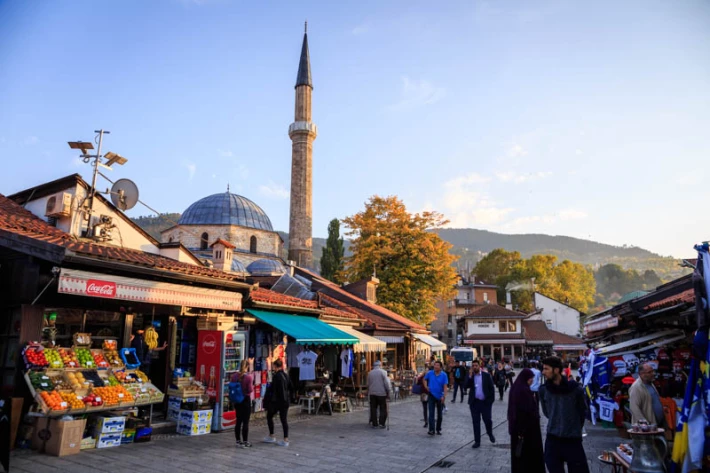
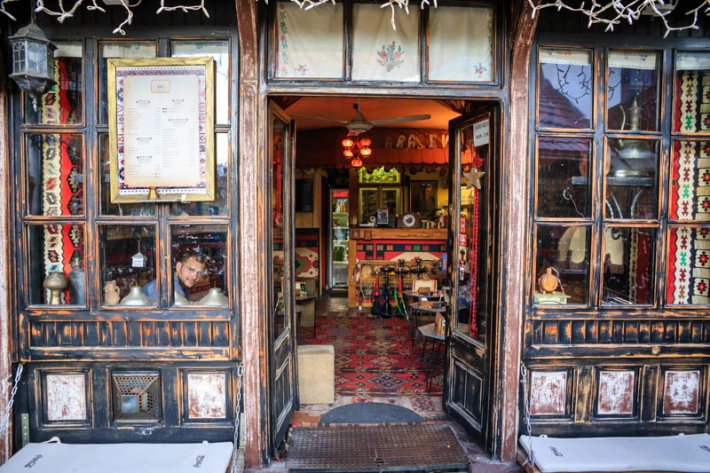
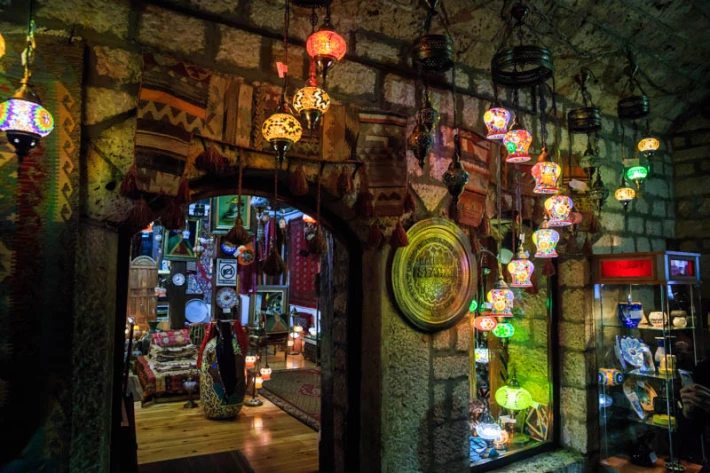
Separated from the National Library by a single street, therefore within walking distance, has many craft shops that will accompany you in an oriental aura that will catapult you into Persia and only a few houses that, by law, have been left there, as built during the Ottoman domination by the first owners of those shops. A crucial part of what to see in Sarajevo in 3 days.
3 - The reflections of the "Sarajevo Roses"
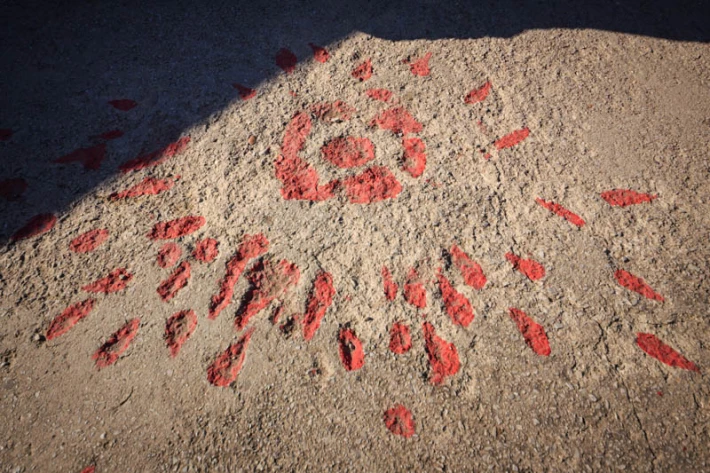
The city is an open-air museum: new buildings, mixed with buildings of the communist era, some of them battered by gunfire during the siege of the early 90’s. To act as a warning to those terrible years you will notice the "Roses of Sarajevo" involuntary works created by the explosion of grenades: the many furrows and holes left in the ground in the streets of the city, were filled with wax red, to remember the blood shed in that conflict because "the splinters of a bomb when they strike, do not look at nationality".
4 - Somùn, cevapcici and beer
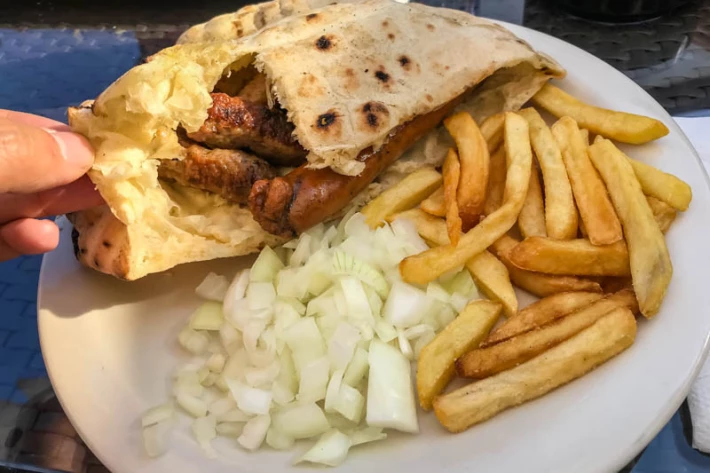
Gastronomic stages absolutely necessary because really very good. In Bosnia meat dishes abound and cevapcici are no exception: it is the national dish and consist of small oblong shaped meats made of minced beef and lamb (sometimes even pork), rolled into the typical specialty of the city, the somùn, said the "Bread of Sarajevo". All accompanied by an excellent beer, the Sarajevsko pivo.
5 - The National Library
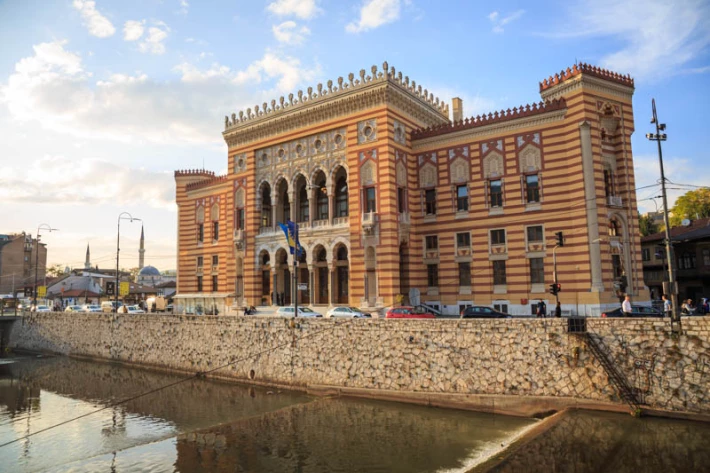
Immense and beautiful, inside and out. At the dawn of the civil war, in 1992, it was devastated by a fire that destroyed about 80% of the entire collection of volumes present in its interior, but today it was brought back to life and is manifested in all its splendor right in the center of the city, ideally dividing modern Sarajevo from the old city.
What to see in Sarajevo in 3 days: itinerary
The National Library is certainly a good starting point to visit the city and to get there you can walk along the Viale dei Cecchini, the main (and very wide) street of the Bosnian city. Already from here you will immerse yourself in what Sarajevo can best express, an atmosphere of deep reflection on the clash/encounter of cultures that, if at first it was the cause of war, later revealed the reason that led to the rebirth.Looking left and right, you will notice new buildings that alternate with older buildings, tormented by the wounds of war, left there, to a lasting memory. You get to the National Library, an immense building, built in 1864 and partially destroyed during the siege of the city. The architect who made it went to Cairo twice in order to draw on the constructive style that he would then use for his construction.
From the Library, which can be easily reached by tram, you can access, simply crossing the street, along the river, to the Ottoman quarter, a place of great interest among what to see in Sarajevo in 3 days.
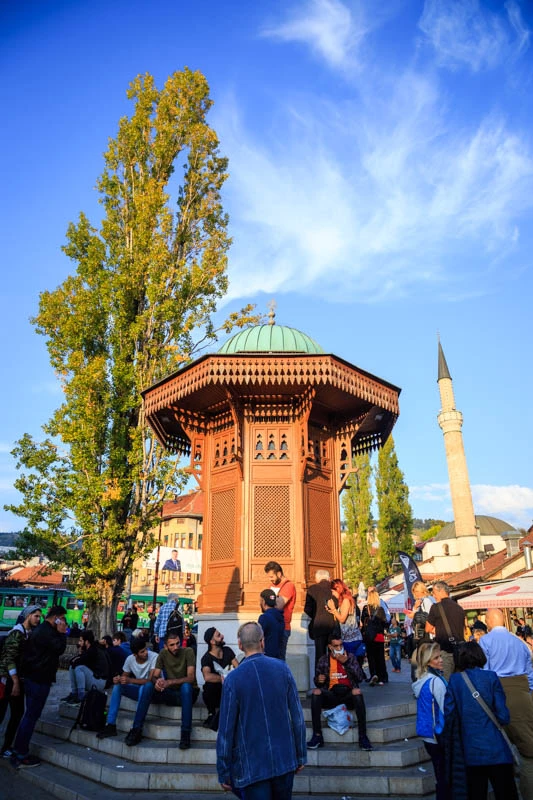
A must-see is the Sebilj Fountain, the true symbol of Sarajevo. It is always located in the Ottoman quarter, in Baščaršija Square, originally the neighborhood of the Ottoman market. Absolutely mandatory to drink a sip from the fountain (attention because it is very cold, but also very good) as there is a saying that says "who does not drink water from the Sebilj fountain, can not say to have been in Sarajevo and who drinks it, back to drink it"
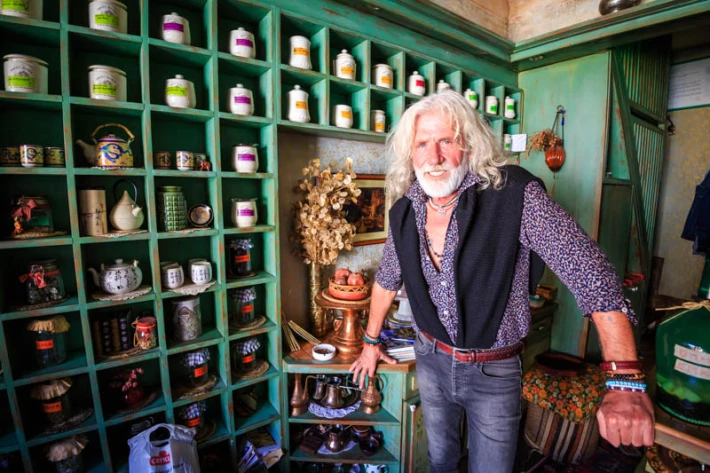
Another stop that I strongly recommend between what to see in Sarajevo in 3 days is the tea house Cajdzinica Dzirlo, a place to visit where you will be welcomed by its owner Husein Dzirlo, a gentleman with infinite kindness that reminds a bit of a hippy of the 60s and that will immediately put you at ease with his perennial smile, making you sit on some sofas (present both inside and outside the room) full of colorful cushions in full Persian style. The specialty of the local? The salep.This drink, the daughter of the Ottoman tradition, is prepared by boiling in milk the root of the wild orchid, garnishing all with half a teaspoon of cinnamon. The sweet taste and atmosphere of the neighborhood, will make you feel a taste of ancient Persia, full of mystery and charm.
Continuing on to the other side of the city, it is worth visiting the largest mosque in the city, in which the muezzin invites prayer using its own voice. Entering the mosque you can fully experience the Eastern world, made of warm colors, paintings and very elaborate buildings that will wrap you gently and accompany you even once you have left.
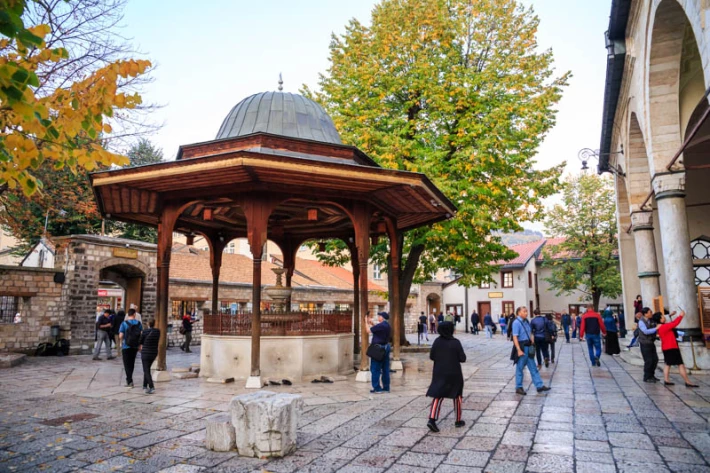
A few pastures and from the Middle East you arrive almost in Tyrol: the Austro-Hungarian quarter. If you were blindfolded and landed here, without knowing you were in Sarajevo, you could say that you are in a modern Austrian city.
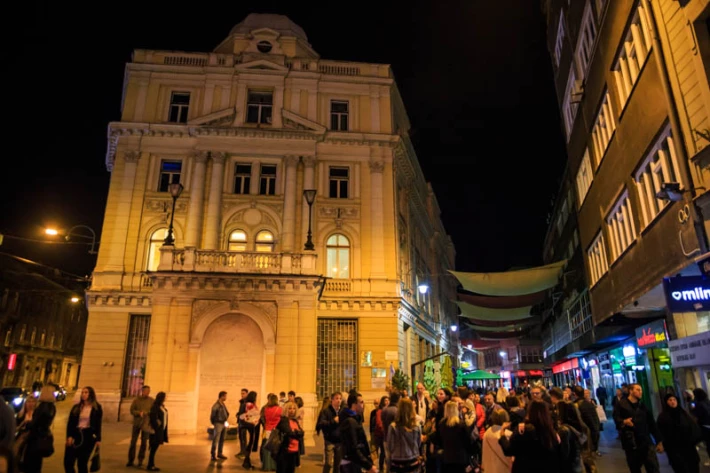
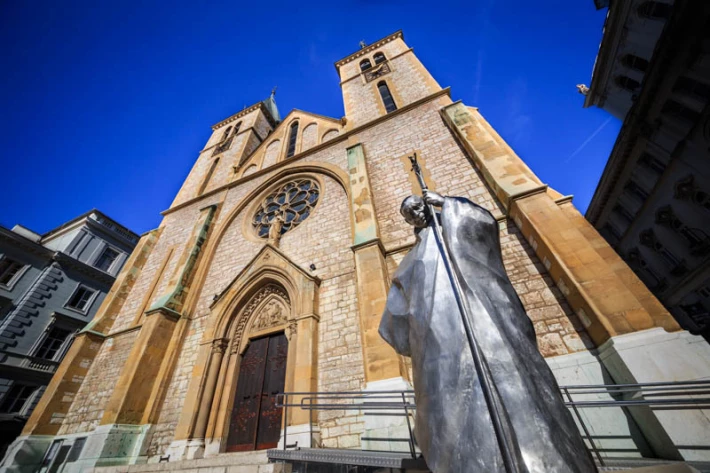
East and West merge and unite, maintaining each other’s identity and showing it to you in all their beauty. Impossible not to run into the Catholic Church first and the Orthodox Church then. Two imposing, majestic buildings that "oblige" you to revenue so much is the curiosity that infuse from outside.
Walking through the city you can’t help but notice the Sarajevo Roses, square tiles deformed in the center: you know when you throw a stone into the fresh concrete? Here, the effect is the same, but the meaning is, unfortunately, much sadder: such "deformations" recall the points where the bombs fell. The inhabitants, when the conflict ended, filled these holes with a red wax, in memory of the blood shed by those who lost their lives during those terrible years. You’ll find plenty of them all over the city.
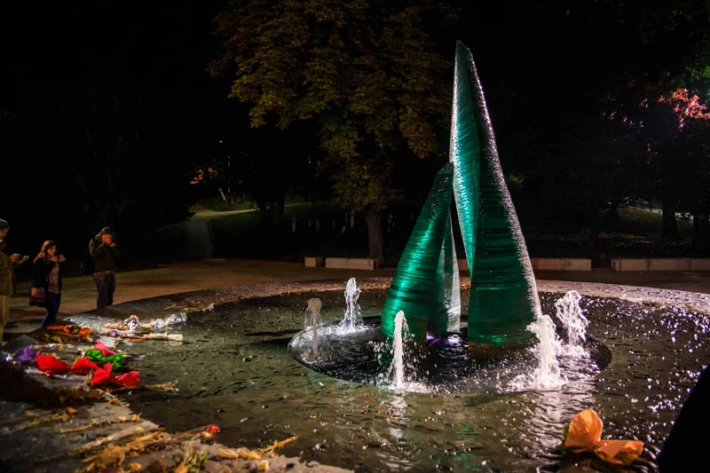
Sarajevo is an open-air museum that shows you its endless architectural beauties, its traditions, but that each tot invites you not to forget what happened: the eternal flame, to remember the liberation of the city on April 6, 1945 and the monument to children, innocent victims of the 1992 siege, which, fatal coincidence, began again on 6 April. Columns recall the names of these victims and inside there are toys to remember what those names represent. If you are so sensitive, I advise you not to move the columns: the emotional impact will be much stronger than the noise caused by the games you will hear.
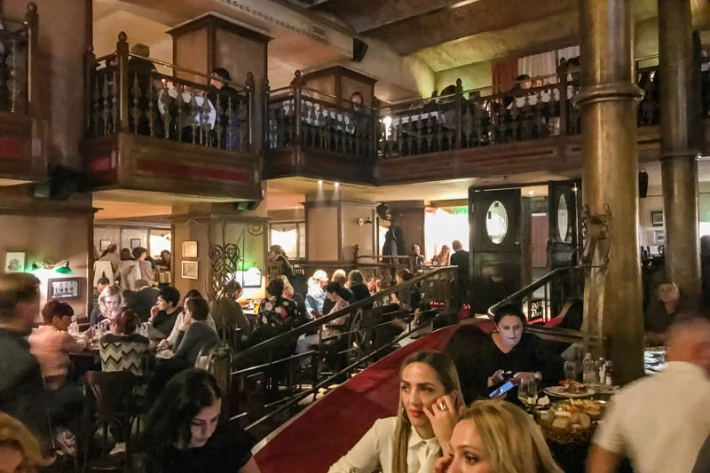
So much walking between what to see in Sarajevo in 3 days makes you thirsty and so, another stop "to be seen": Pivnica HS, the oldest brewery in Sarajevo. A traditional restaurant, set just below the brewery, where you can taste a good beer, the Sarajevsko, in a traditional blonde version, or in an amber version. The restaurant is also a restaurant where you can also eat.
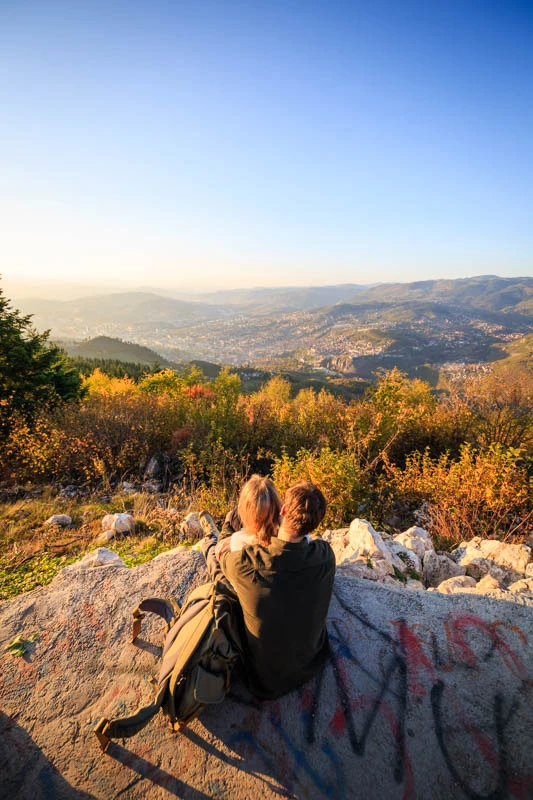
Sarajevo is framed by a hilly landscape and therefore it is worth trying to climb to be able to admire it in all its splendor. The easiest way is to take the cable car and access the Olympic hill, where the Winter Olympics took place in 1984, just as the athletes of the various participating compages did at the time. Sarajevo will call you from below, especially at sunset, and the fixed thought once you get out of the cabin is to find the best way to "answer her".
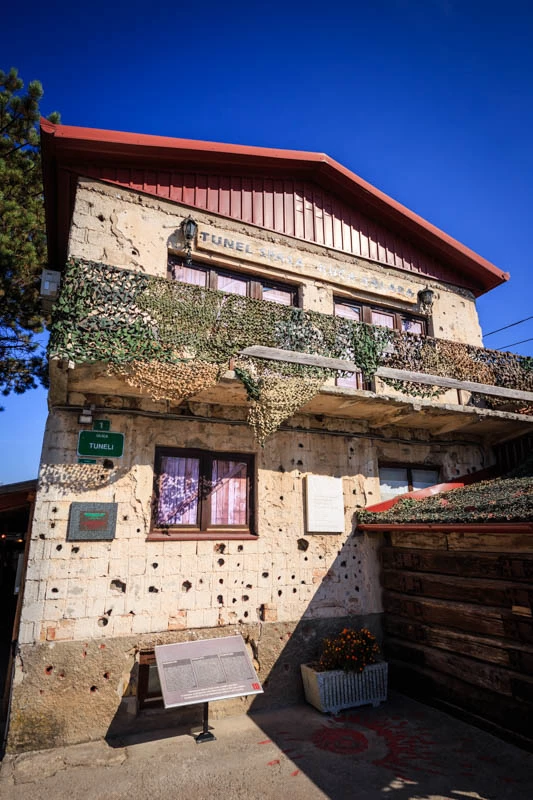
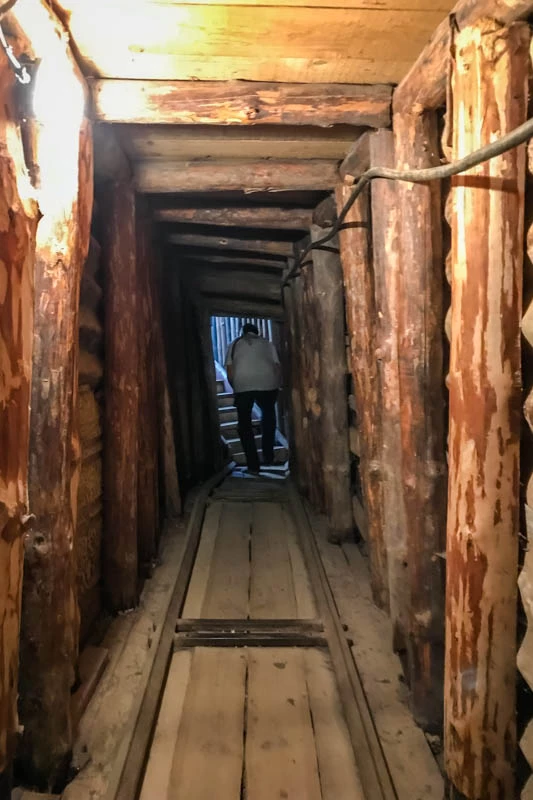
Coming out of the city, special mention for the "Tunnel of salvation": if you can visit Sarajevo, it is due to this monument, now used as a museum. A tunnel of 800 meters that allowed to enter and leave the city and to cross which needed a special permit. The tunnel ran under the airport, controlled by the UN, the only area of the city that could not be attacked or bombed, which is why the city engineers conceived this passage thinking about that point. The tunnel started from a private house and ended outside the city, in the house of a woman who is still alive today! It is not recommended for those who suffer from claustrophobia, it is very low and narrow, but to walk those 20 meters that have remained, makes understand the real situation that people experienced during the war.
Note: This post was originally posted on my blog La Via delle Scimmie.






