
Lebanese officials say that power has been restored after a 24-hour shutdown of Lebanon's energy supply due to a fuel shortage at the nation's two largest powerplants. While officials initially said that it may take several days for the network to resume, the Lebanese energy minister states that the central bank granted it 100 million United States dollars of credit to purchase fuel and keep power stations operating. Additionally, the Lebanese army has handed some fuel from its reserves to keep the powerplants operating until additional fuel can be imported. The fuel was evenly divided between the two largest powerplants.
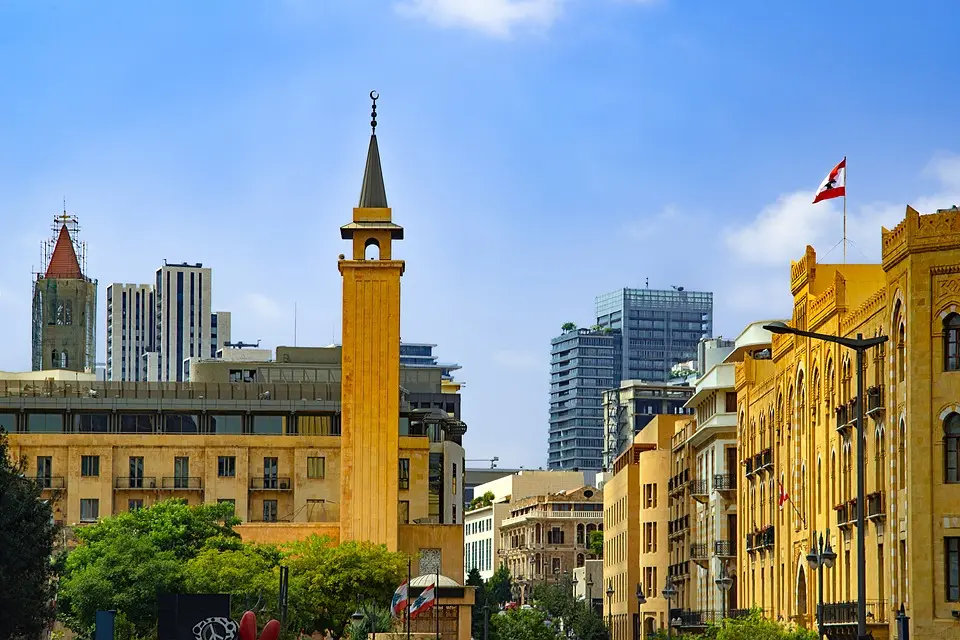
In the latest statement, the state electricity provider announced that it is now delivering the same level of power it was before the outage. However, even prior to the latest shutdown, Lebanese homes and businesses often experienced rolling power cuts, with just a few hours of electricity a day. According to some local reports, some interviewees say that the loss of centrally generated power has hardly made a noticeable difference in their daily lives.
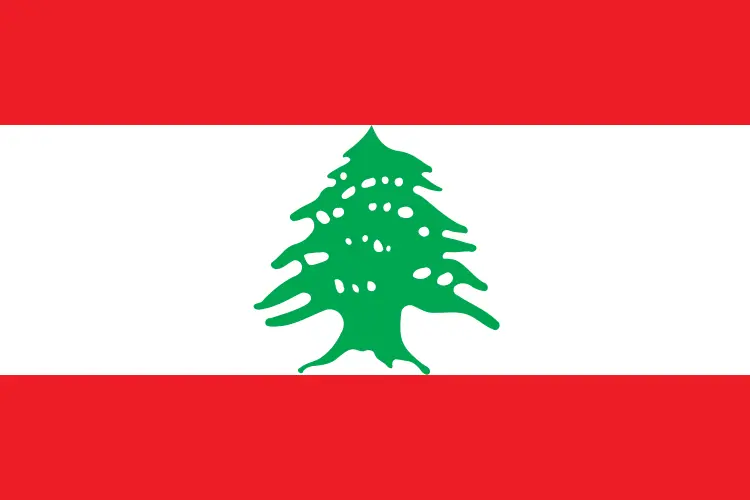
Since August 2019, Lebanon has been facing a economic crisis (Lebanese liquidity crisis) that resulted in the severe depreciation in the value of the Lebanese pound alongside extreme fuel shortages. A lack of foreign currencies has made it difficult to purchase fuel for energy generation. In August of 2021, Karpowership, a Turkish builder and operator of powerships, ceased producing 370 megawatts (MW) of power after missed payments and legal threats to two of its energy-producing barges. Since oil dominates energy production in Lebanon and represents well over 90% of primary consumed, a shortage of fuel means that people in the nation would have to rely on private energy generation, usually from diesel generators, for power.
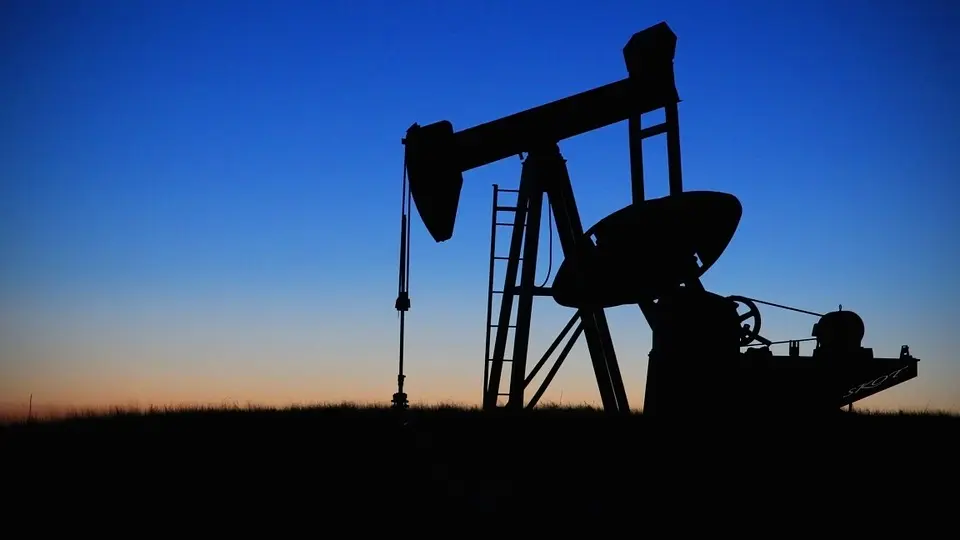
The international community has long-since recommended an overhaul of Lebanon's undiversified, fossil-fuel centralized, loss-making power generation sector, which has cost the government over 40 billion United States dollars since the early 1990s. Lebanon currently operates several hydropower stations, but the energy generation contributes to less than 10% of the nation's entire current production.
Note: All images used in this article were retrieved from the public domain, and can be used for commercial purposes without citation or other references.






