
Guinea has officially declared an Ebola virus epidemic after at least three people died of the virus and four others fell ill with symptoms like diarrhea, vomiting, and bleeding. This is the first time since 2016 that Guinea has confirmed deaths due to Ebola. According to local medical sources, the epidemic started when a nurse working at a health center in Goueké died on January 28th, 2021, and her funeral was held four days later, and some people who attended the burial of the nurse later fell ill. It has not been confirmed yet whether the nurse died of Ebola. The Ministry of Health and Public Hygiene of Guinea stated that currently, all known cases have been isolated, contact tracing is ongoing, and a treatment and assessment center will be set up in Goueké.
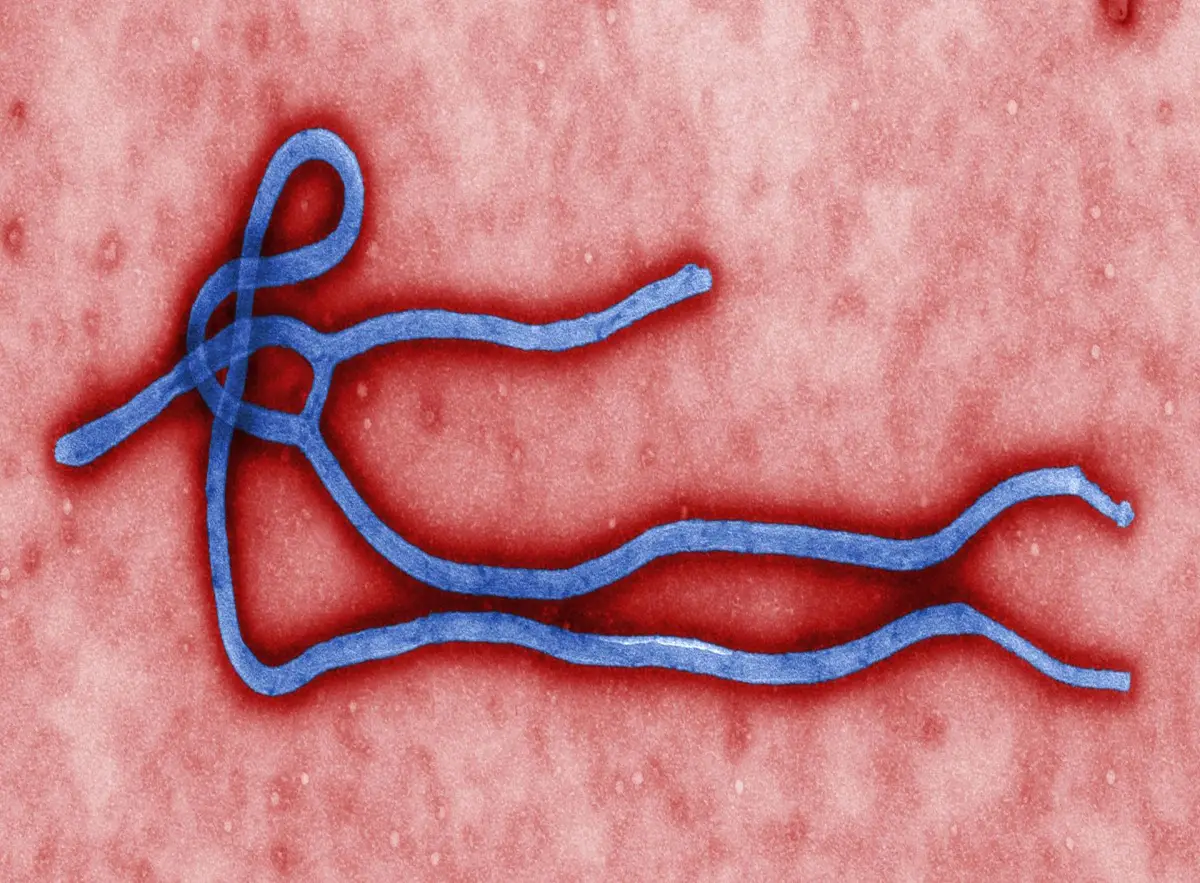
This new outbreak is not far from the area where the December 2013 epidemic started. In response to the outbreak, the World Health Organization (WHO) stated that it will coordinate the delivery of vaccines to affected areas. Neighboring Liberian President George Weah has a put health authorities on high alert. Ebola is a virus that initially starts with a sudden fever, weakness, and muscle pains, but can progress to vomiting, diarrhea, internal bleeding, and external bleeding. Patients often due from dehydration, blood loss, and/or multiple organ failure. Case fatalities rates range widely between 25-90%. Infections can occur when direct contact is made through broken skin with blood, vomit, feces, or other bodily fluids of someone who has contracted the virus. According to the New England Journal of Medicine, the virus is also able to live in the semen of male survivors for over three years. Guinea's declaration of an epidemic comes just days after the Democratic Republic of Congo (DRC) declared an epidemic.
Note: All images used in this article were retrieved from the public domain, and do not require attribution or citation for commercial purposes.






