
The number of bitcoin terminals (ATM) is growing rapidly. Now around the world about 8,000 of them are installed. However, regulators are not asleep.
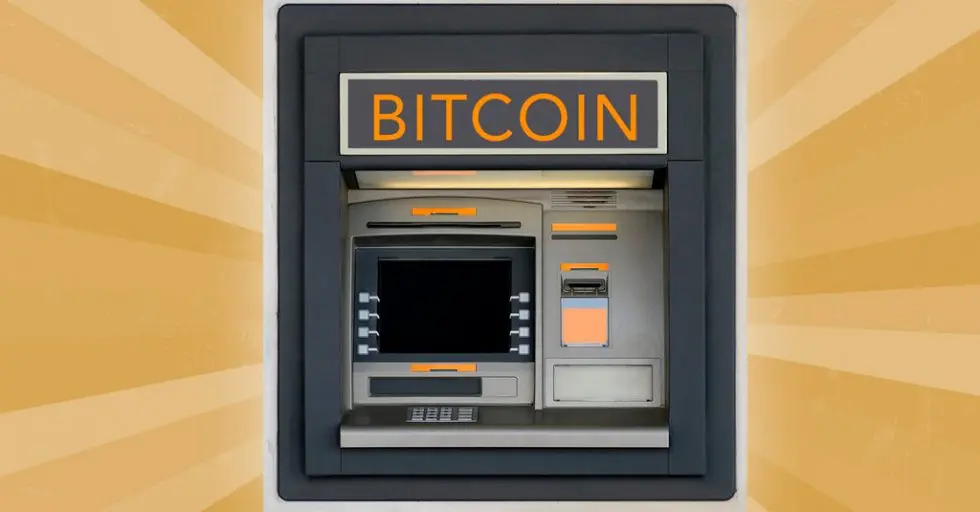
According to AksjeBloggen, a Norwegian financial services company, over the past two years, the number of bitcoin ATMs in the world has grown by 150%. The most active BTC terminals are installed in the United States. However, recently such ATMs have been in the focus of close attention of regulators.
Bitcoin ATMs continue to conquer the world
The first Bitcoin ATM appeared in 2013, and since then there are already more than 8,000 such machines installed in more than 75 countries around the world.
Moreover, in just six months of 2020, since January, the number of such BTC-terminals has increased by more than 1,700. The vast majority of them are based in North America.
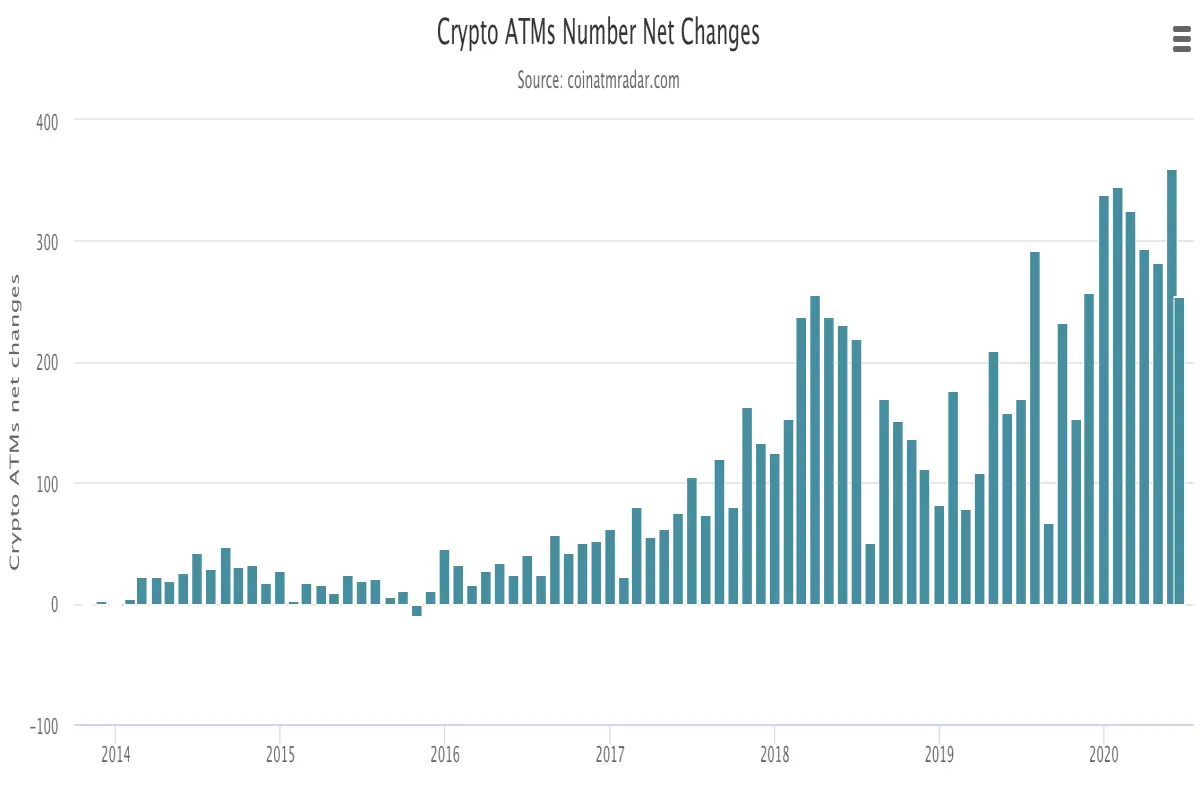
At the end of 2019, there were 6,387 active bitcoin ATMs in the world, and over the past year their number around the world increased by an impressive 56%, according to the data of the analytical resource Coin ATM Radar.
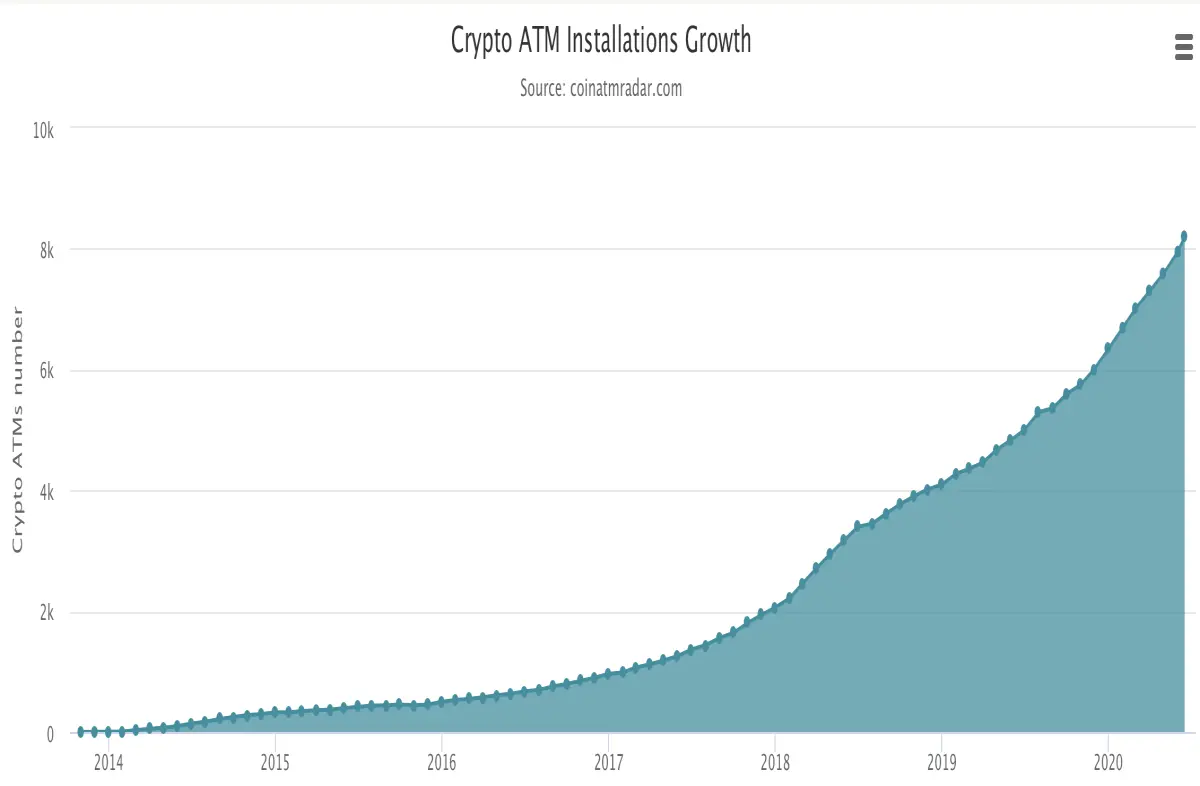
Of course, such dynamics can be considered an indicator of the healthy growth of the cryptocurrency ecosystem. In addition, crypto enthusiasts hope that ATMs familiar to ordinary citizens will help break the wary public opinion regarding cryptocurrencies.
ATM caught the eye of regulators
However, it seems that while the active growth of the Bitcoin-ATM segment has attracted more not ordinary users, but regulators. As forensic experts in computer forensics at Ciphertrace warned, governments around the world have turned their attention to bitcoin ATMs as part of an anti-money laundering campaign.
In a recently published report, company experts said that about 88% of all funds transferred to exchanges in 2019 through US-based bitcoin terminals were ultimately transferred to offshore.
According to Ciphertrace, the amount received on high-risk foreign exchanges - which are highly likely to be involved in money laundering - has doubled every year since 2017. Authorities are concerned that ATMs are the easiest way to convert currencies (both fiat and digital) and therefore are a blessing to criminals.
In Canada, regulators have already begun to tighten the screws in the money transfer segment involving BTC ATMs. So, recently they demanded that the operators of such terminals report on all transactions in excess of CAD10,000. Also, warning messages for users have appeared on a number of ATMs.
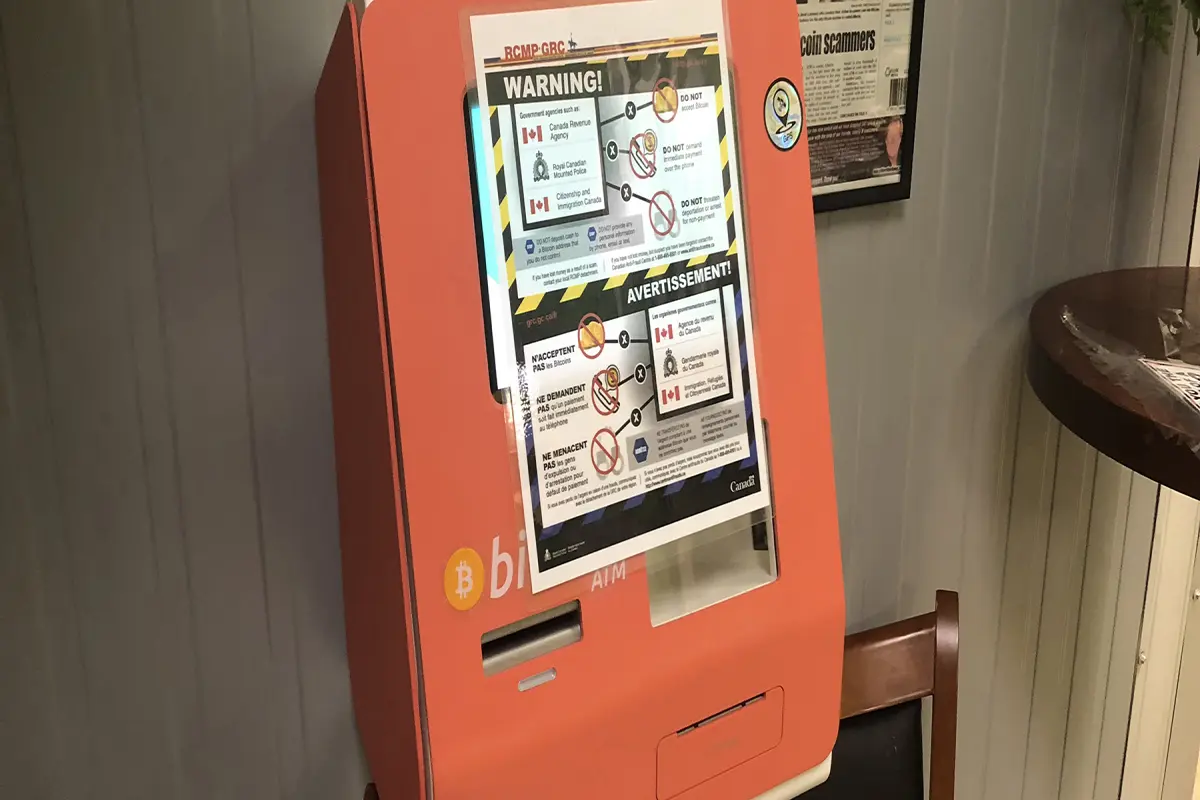
Similar trends are also observed in Germany, Spain and the United States, where authorities took ATM under the gun as convenient means for tax evasion and money laundering.
BTC ATMs are not synonymous with blockchain
Do not equate ATMs and mass adoption of cryptocurrencies.A clear confirmation of this is the situation in Asia, which is now considered a recognized leader in the application of blockchain technologies. Meanwhile, at the beginning of the year, this region accounted for only a miserable 2.1% of the total number of BTC terminals.
Many people believe that the concept of ATMs is already hopelessly outdated, and all payments should migrate to the sphere of non-cash online transactions. That is what Asia is now pursuing. Accordingly, such an innovative industry as cryptocurrencies, in principle, should not be associated with ATMs.






