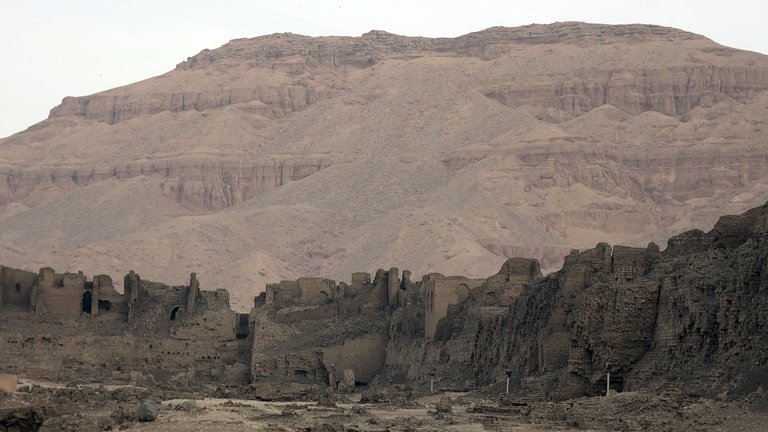
In Egypt, practically in every corner of it, you can find a place with interesting monuments, buildings and artifacts. One of such places is Medinet Habu, a complex of ruins opposite Luxor. This complex hides two great temples, Ramzez III and Amenhotep. This is one of the largest temples in Western Thebes.
W Egipcie praktycznie w każdym jego zakątku można znaleźć miejsce z interesującymi zabytkami, budowlami czy artefaktami. Jednym z takich miejsc jest Medinet Habu, czyli zespół ruin na przeciw Luksoru. Kompleks ten kryje w sobie dwie wielkie świątynie, Ramzeza III oraz Amenhotepa. To jedna z największych świątyń w zachodnich Tebach.
Temple of Medinet Habu
Świątynia Medinet Habu
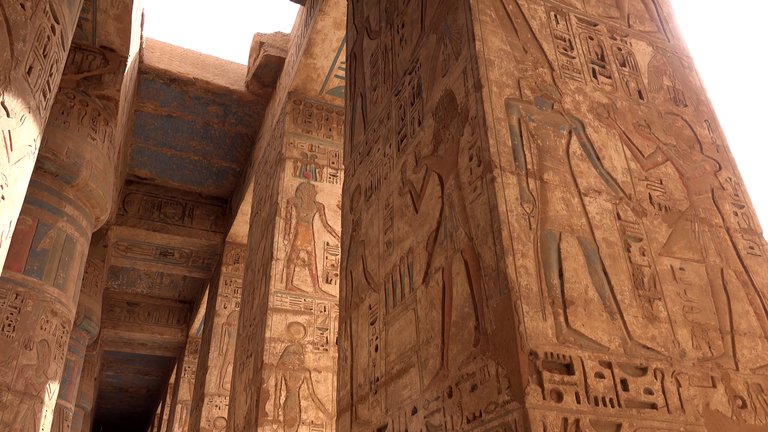
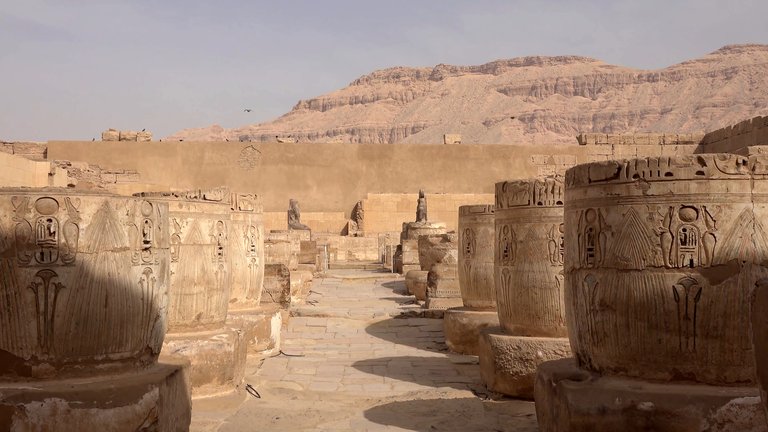
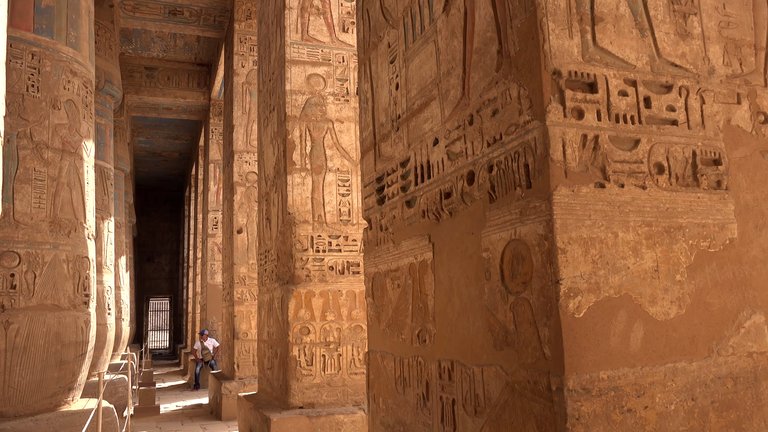
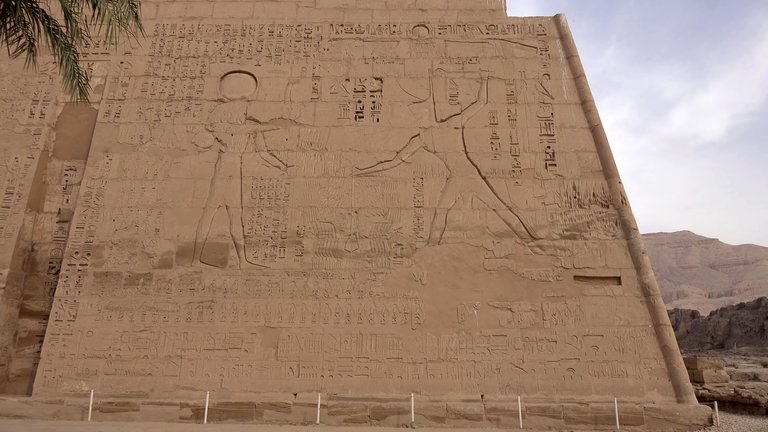
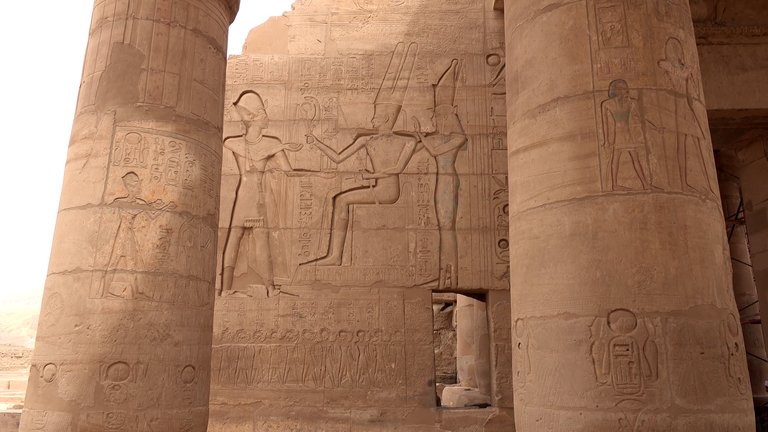
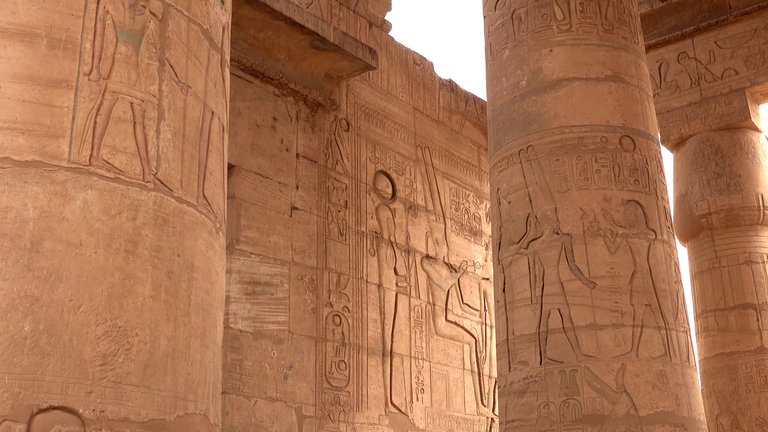
The temples are full of beautiful reliefs and bas-reliefs depicting battle scenes and religious scenes, but the assumptions are of a fortification nature.
Świątynie pełne są przepięknych reliefów i płaskorzeźb przedstawiających sceny bitew oraz sceny religijne, jednak założenia mają one charakter fortyfikacyjny.
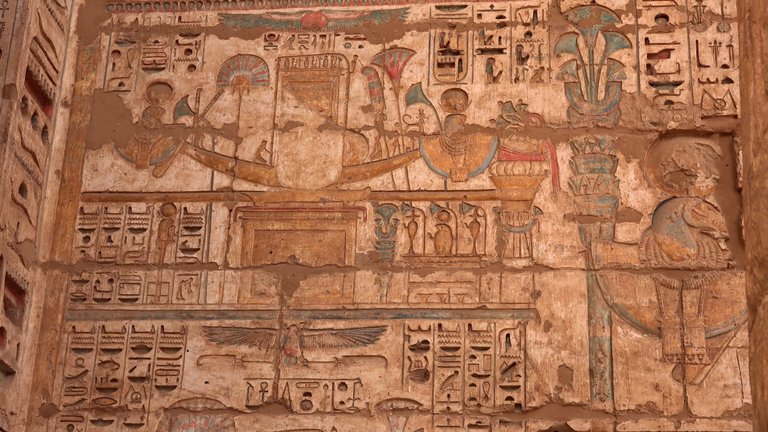
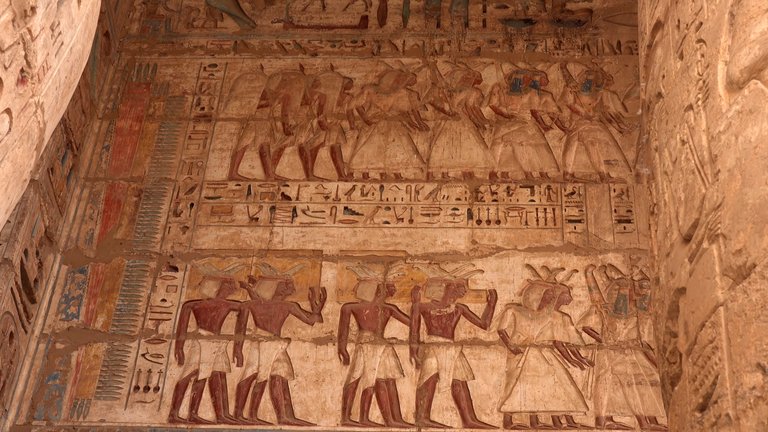
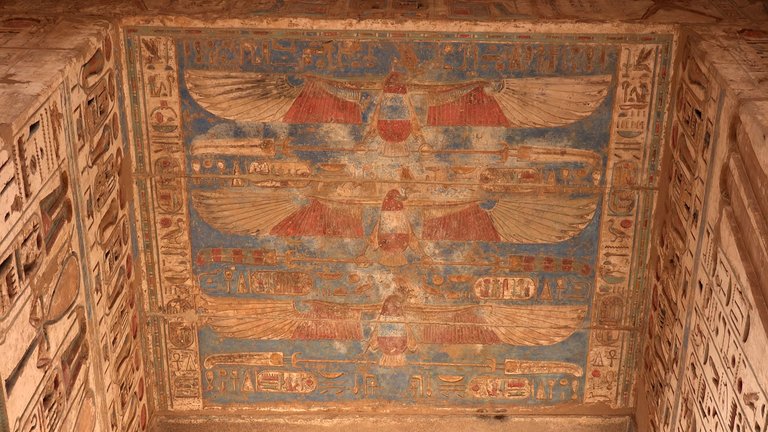
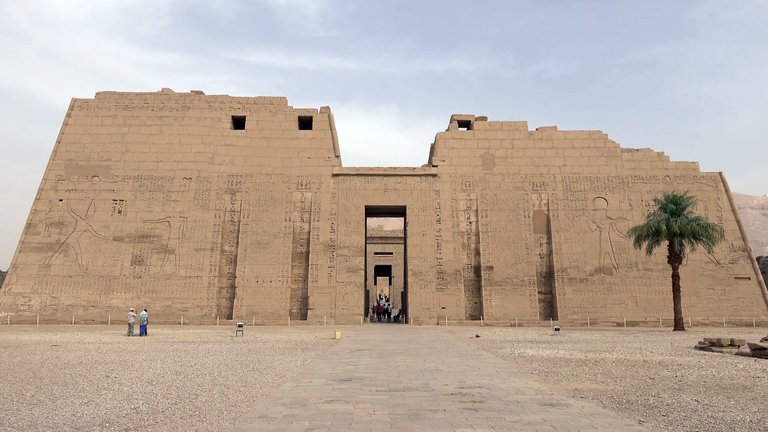
Medient Habu is primarily the beautiful South Gate situated between two towers and several chapels dedicated to the cult of Amun. Medient Habu, apart from the monuments, also has an amazing atmosphere that takes us back millennia.
Medient Habu to przede wszystkim piękna Brama Południowa usytuowana między dwoma wieżami oraz kilka kaplic poświęconych kultowi Amona. Medient Habu poza zabytkami to również niesamowita atmosfera przenosząca nas o tysiąclecia.
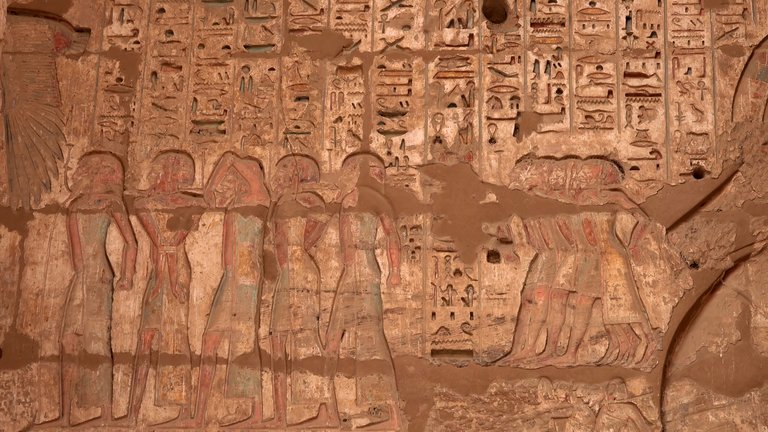
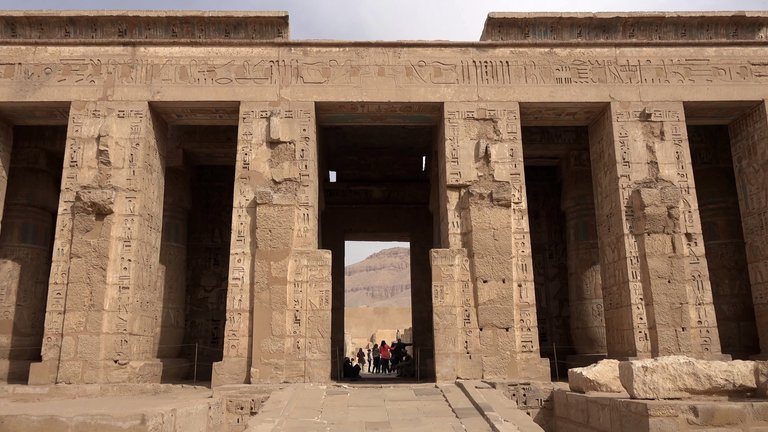
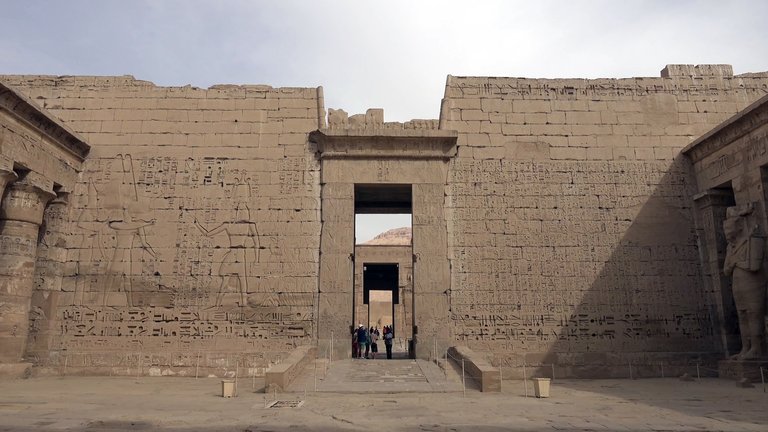
Ramesseum
Ramesseum
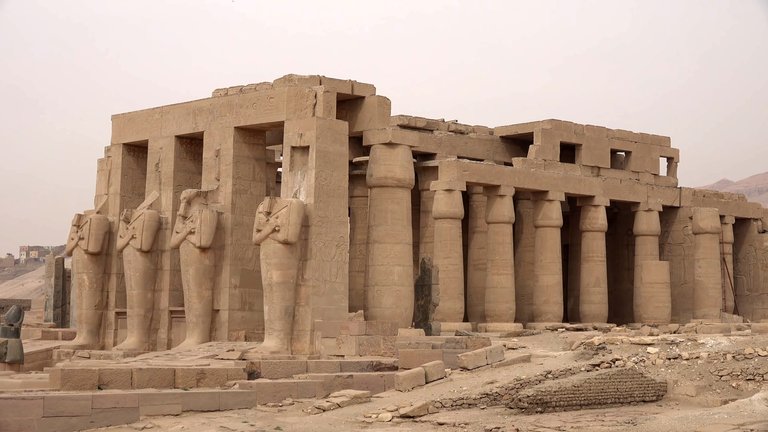
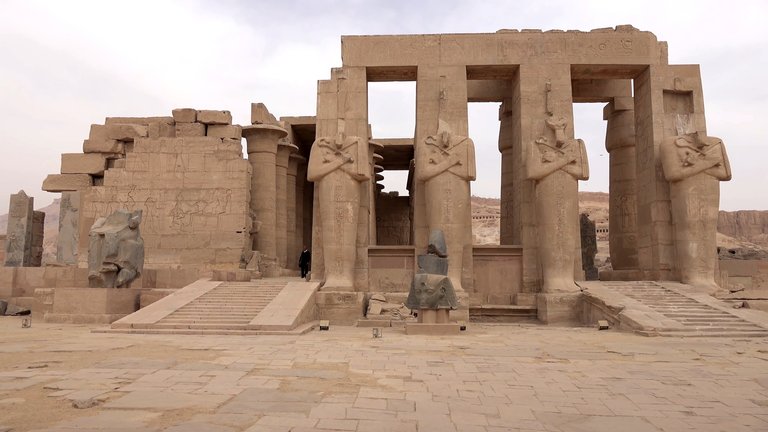
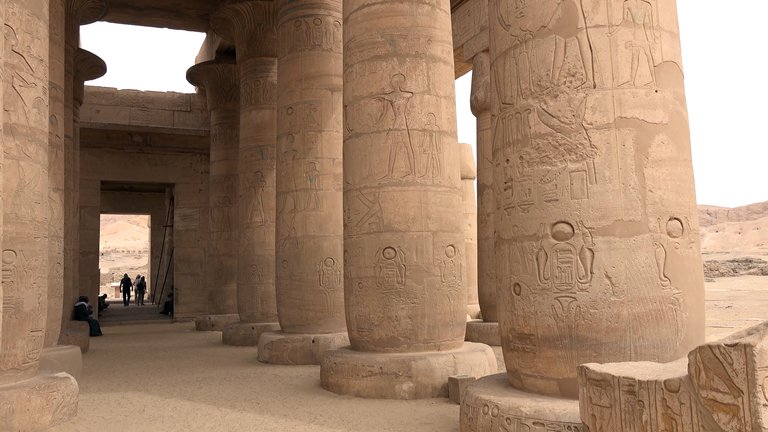
The Temple of Ramesses III is the best-preserved corner of the entire complex of temples.
Świątynia Ramzesa III to najlepiej zachowany zakątek całego kompleksu świątyń.
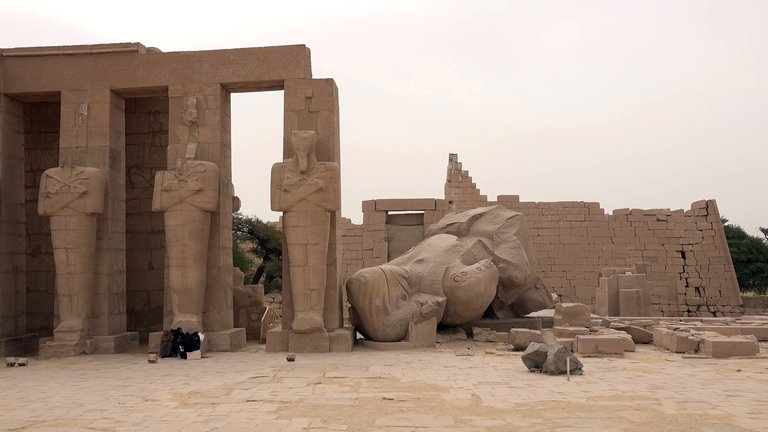
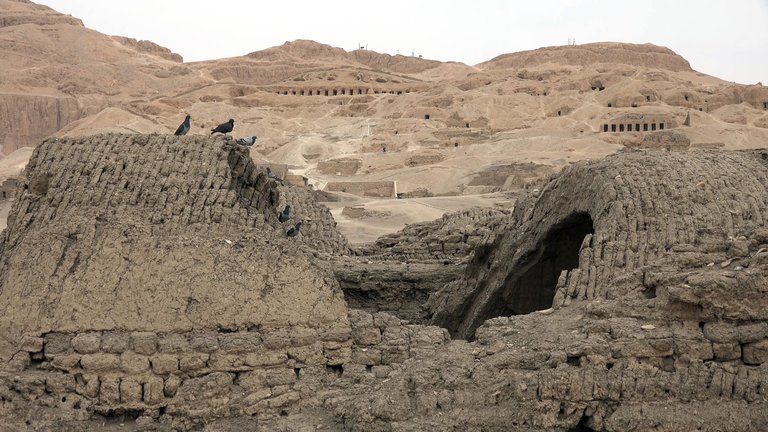
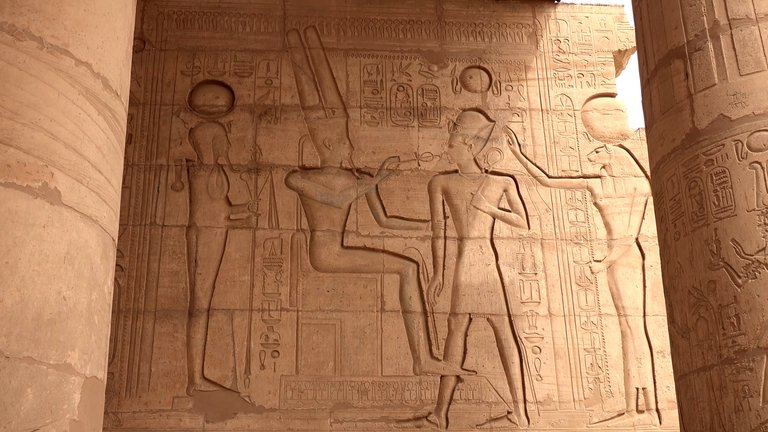
In its heyday, which lasted until the 9th century, the place was bustling with life. There were priests' apartments, workshops, warehouses and administrative buildings.
Za czasów świetności, który trwał aż do IX wieki miejsce to tętniło życiem. Były tam mieszkania kapłanów, warsztaty, magazyny i budynki administracyjne.
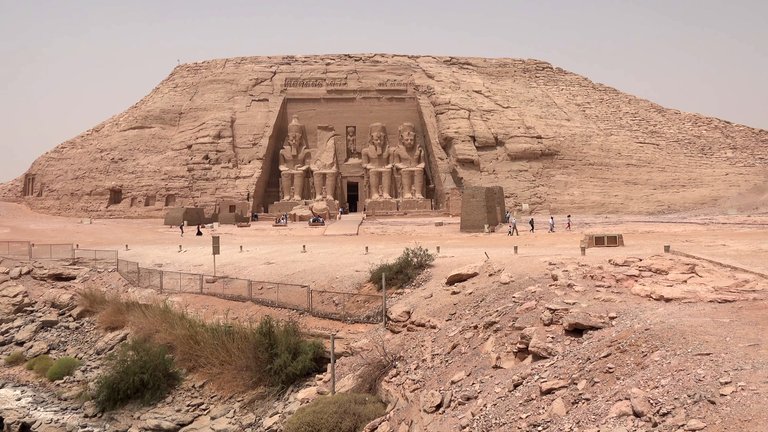
Abu Simbel Temple
Świątynia Abu Simbel
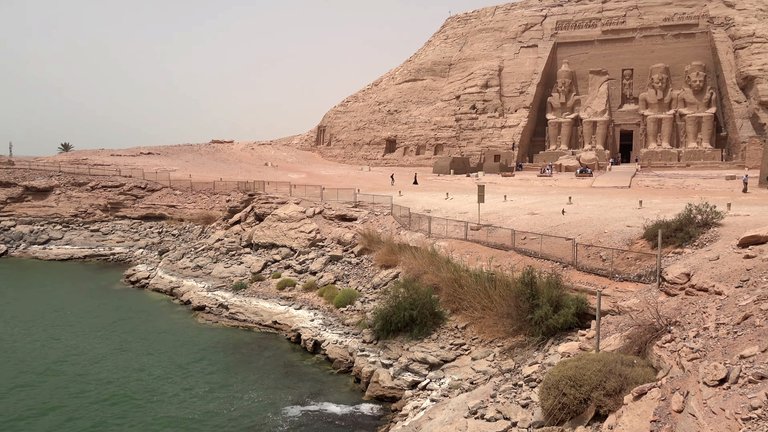
It was established during the reign of Ramzez II in the 13th century BC. and was to be above all a symbol and testimony of the power and might of the Pharaoh himself. It was carved entirely in rock.
Powstała za panowania Ramzeza II w XIII w p.n.e. i miała być przede wszystkim symbolem i świadectwem władzy i potęgi samego faraona. Wykuta została w całości w skale.
Ramses statues
Posągi Ramzesa
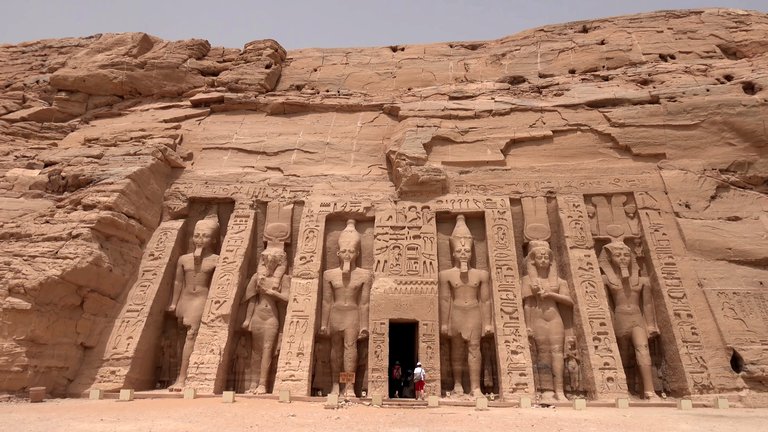
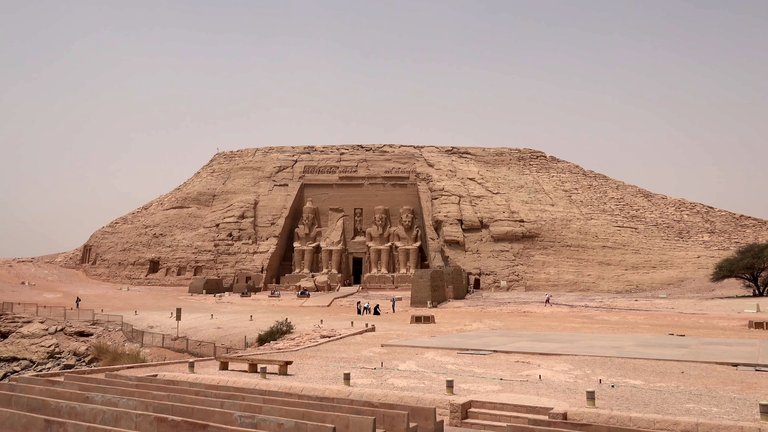
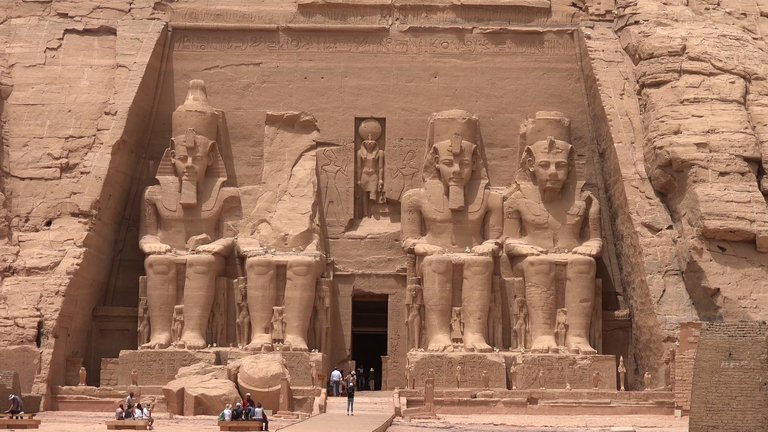
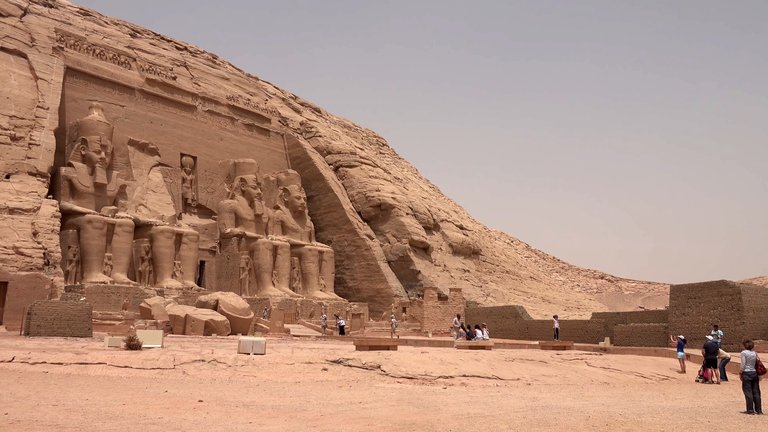
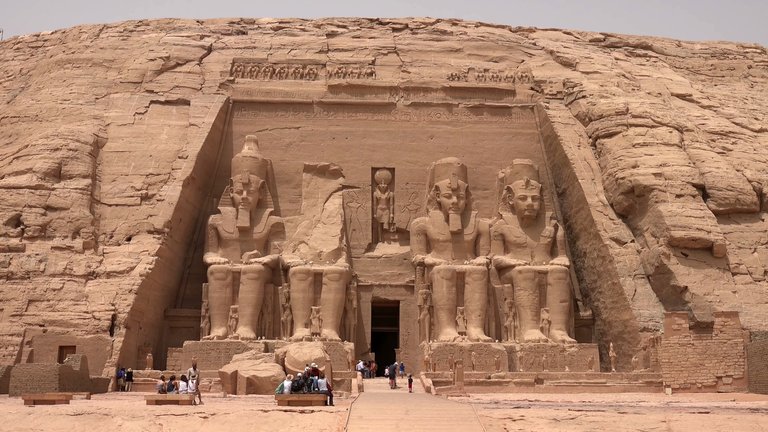
It is a showcase of this place. The first thing that catches our eyes is the four 20 meter high statues of Ramses II, and the huge temple behind them is over 30 meters high. Next to the gigantic statues of Ramzez II, there are much smaller ones, representing his immediate family, mother, wife and children.
To wizytówka tego miejsca. Pierwsza rzecz, która rzuca się nam w oczy to cztery 20 metrowej wysokości posągi Ramzesa II, a ogromna świątynia za nimi ma ponad 30 m wysokości. Przy gigantycznych posągach Ramzeza II stoją znacznie mniejsze, przedstawiające jego najbliższą rodzinę, matkę, żonę i dzieci.
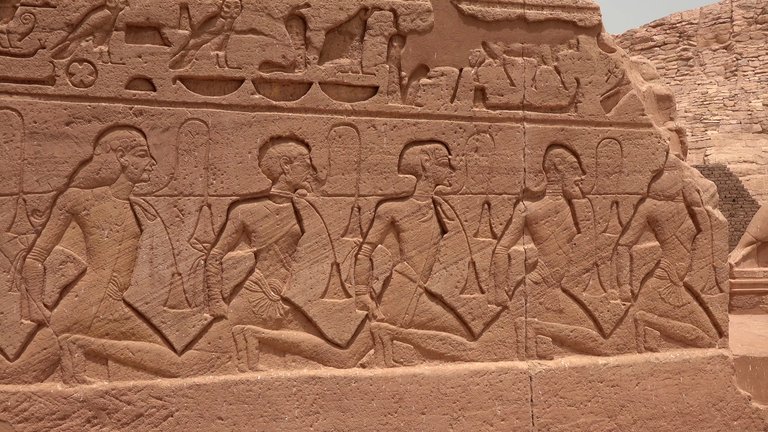
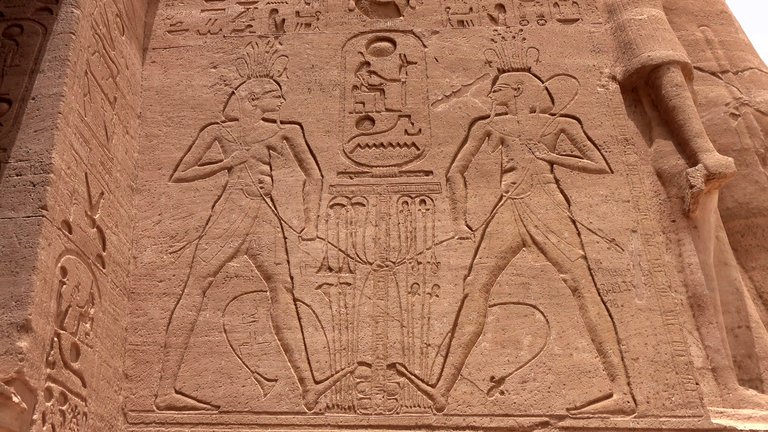
In the further part of the temple we come to a great hall with a statue of the god Osiris. On its walls there are reliefs depicting mainly the victorious battles of Pharaoh and several Deities. Below are the smaller temples dedicated to Nefertari and the deity Hathor.
W dalszej części świątyni dochodzimy wielkiej sali z posągiem boga Ozyrysa. Na jej ścianach widnieją reliefy przedstawiające głównie zwycięskie walki Faraona oraz kilka Bóstw. Poniżej znajdują się mniejsze świątynie poświęcone Nefertari i bóstwu Hathor.
Pyramid of Djoser
Piramida Dżesera
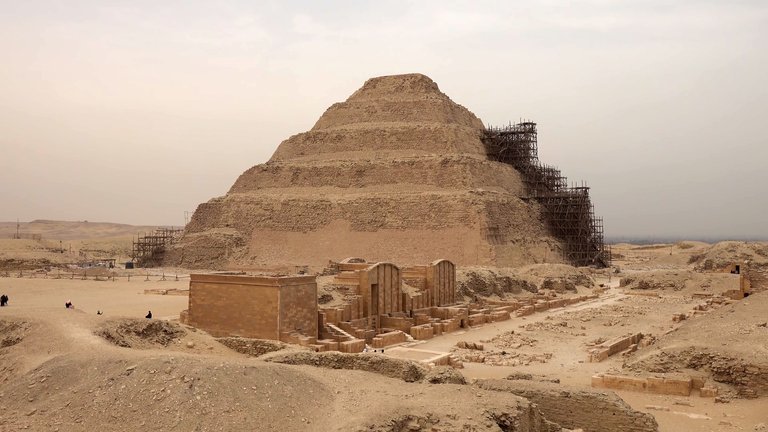
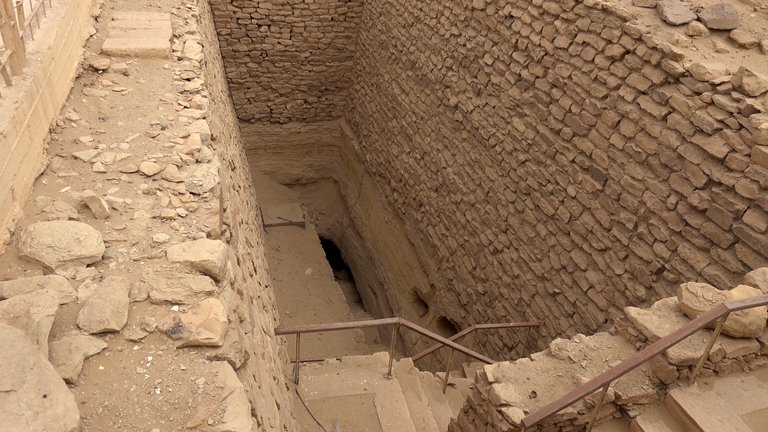
It is the oldest surviving Egyptian pyramid, built around 2650 BC. It is the focal point of the walled mortuary complex.
To najstarsza zachowana egipska piramida, którą wybudowano około 2650 r. p.n.e. Jest puntem centralnym kompleksu grobowego otoczonego murem.
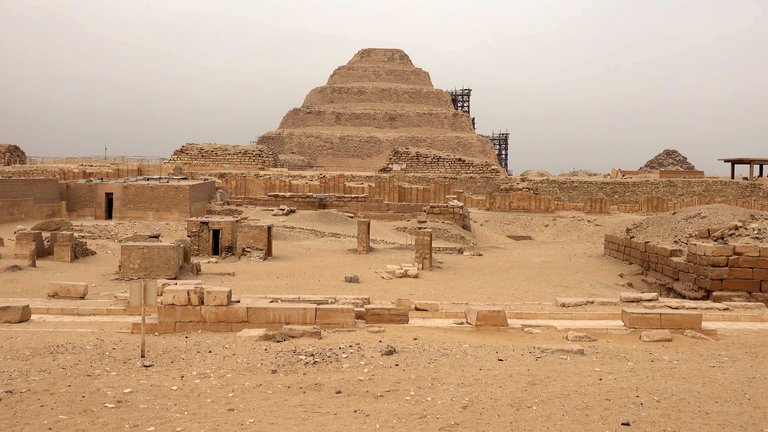
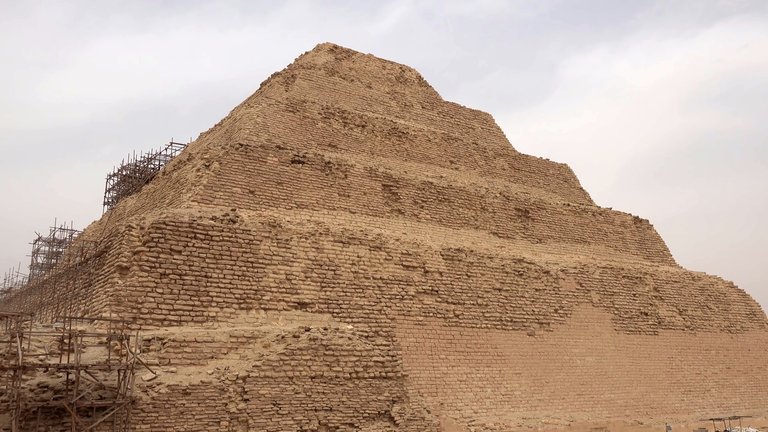
The pyramid is over 62 meters high, and inside the pyramid, in a walled-up chamber, there is a statue of King Djoser.
Piramida ma wysokość ponad 62 metrów, a wewnątrz piramidy w zamurowanej komorze stoi posąg króla Dżesera.
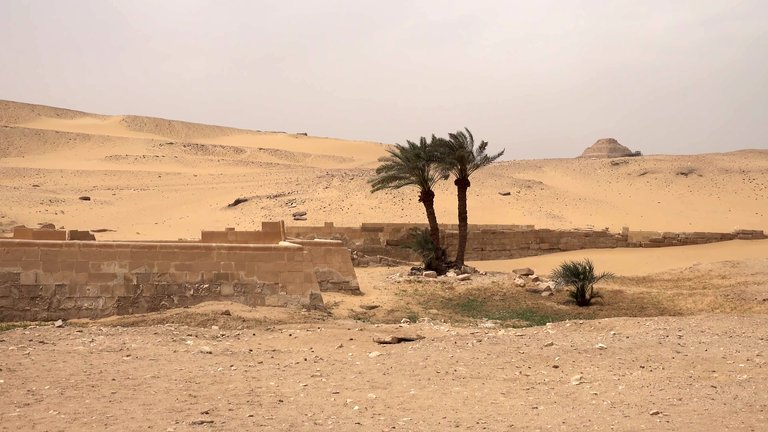
Enjoy 😉






