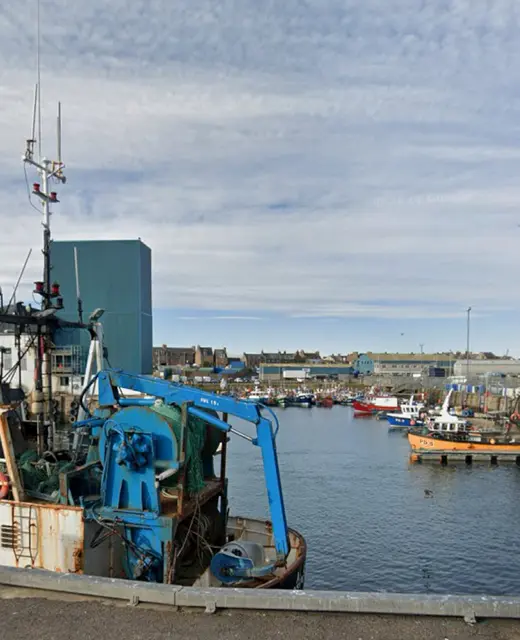
Scotland is one of the countries that make up the United Kingdom, occupying the northern third of Great Britain. To the southeast, it shares a border with England, while to the north and west it is bordered by the Atlantic Ocean, to the northeast by the North Sea, and to the south by the Irish Sea. Scotland is also home to over 790 islands.
Historically, Scotland was established in 843 and became part of the Kingdom of Great Britain in 1707. It has its own legal and educational systems, and the Scottish Parliament was re-established in 1999, granting significant authority over domestic policies. The country is administratively divided into 32 council areas, with Glasgow being the most populous city and the Highland council area being the largest in terms of area. The name "Scotland" is derived from the Scots people, and in Scottish Gaelic, it is called "Alba," while in Latin, it is referred to as "Caledonia."
Geographically, Scotland's northern region is mountainous, with Ben Nevis being the highest peak. The southern part features rolling hills.
---
The name "Britain" is derived from the Portuguese word "inglez, inglês" (English), which has its origins in the Portuguese explorers of the Sengoku period. Today, it is used to refer to the entire United Kingdom, distinguishing it from "England."
In the Edo period, the Dutch term "engelsch, engels" was used, resulting in the term "エゲレス" (Egeresu). During the late Tokugawa shogunate, Meiji, and Taisho periods, the names "英吉利" (Eikirisu) and "大不列顛" (Daifurettenn) were used in kanji. The abbreviation "英国" (Eikoku) originates from "英吉利," though "英国" sometimes refers specifically to England rather than the whole United Kingdom.
Japanese article → https://383ka-e3.seesaa.net/article/504882079.html